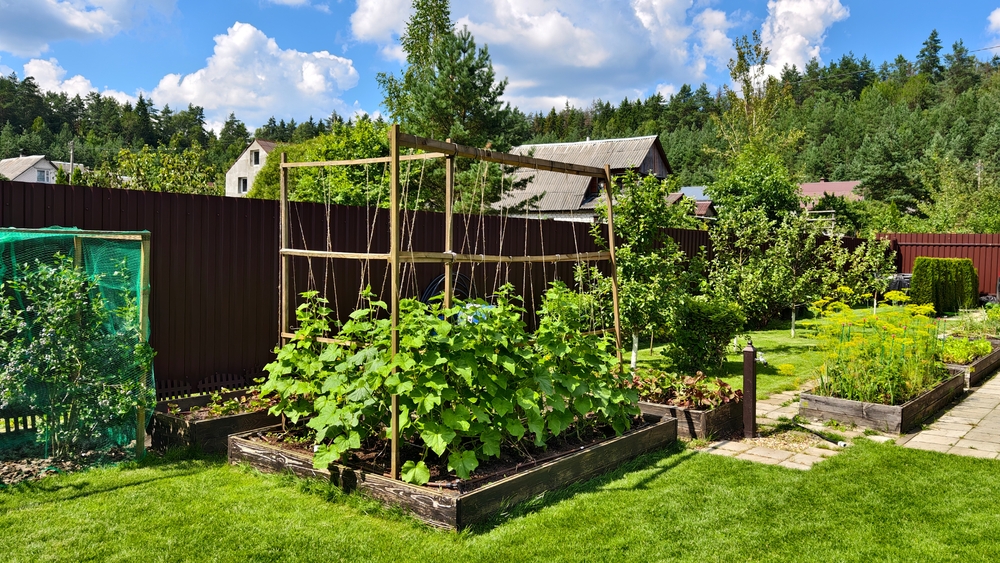
Imagine spending an entire spring transforming your front lawn into a productive vegetable garden, complete with raised beds, tomato plants, and fresh herbs. Your neighbors compliment the landscaping, your grocery bills start shrinking, and you’re finally making use of a sunny spot that once required constant mowing. Then a letter arrives from your city or homeowners association demanding that you remove everything. Suddenly, your money-saving gardening project has become a potential legal battle.
It sounds unreasonable, but front yard vegetable garden laws vary considerably across the United States, and homeowners don’t always have the freedom to grow food wherever they choose. Some states have passed laws protecting residential vegetable gardens, while other communities still enforce landscaping restrictions. Here’s what gardeners should understand before replacing their lawns with vegetables.
Yes, Some Homeowners Can Be Ordered to Remove Their Gardens
Owning your property doesn’t automatically mean you can use every square foot however you want. Depending on where you live, municipal zoning regulations, neighborhood covenants, or homeowners association rules may restrict front yard landscaping. These restrictions can address garden placement, structures, setbacks, vegetation height, and the appearance of residential properties. In communities without applicable state protections, a vegetable garden that violates an enforceable rule could result in a removal notice or other enforcement action. That’s why researching front yard vegetable garden laws before buying lumber, soil, and seedlings is an important first step.
Florida Passed a Law Protecting Residential Vegetable Gardens
Florida offers one of the clearest examples of a state limiting local government interference with home food production. Under Florida Statute 604.71, counties, municipalities, and other political subdivisions generally cannot regulate vegetable gardens on residential properties. The law, which took effect in 2019, was designed to encourage growing fruits and vegetables for personal consumption. According to the University of Florida IFAS Extension, homeowners must still comply with generally applicable requirements involving matters such as irrigation, fertilizer use, and invasive species. Importantly, the statute specifically restricts government regulation, so homeowners should not assume it automatically overrides every private HOA covenant.
Illinois Also Protects the Right to Grow Food
Illinois strengthened protections for home gardeners through its Garden Act, which became effective January 1, 2022. The Illinois General Assembly explains that the law protects vegetable gardens grown on a person’s own property or on private property with the owner’s permission. Its definition includes traditional vegetable beds, elevated planting beds, herbs, fruits, flowers, pollinator plants, and other edible plants. However, the law still permits generally applicable regulations concerning height, setbacks, water use, fertilizers, and certain species, provided they don’t effectively prohibit vegetable gardens. Like Florida’s legislation, Illinois law provides meaningful protection against local government restrictions, but private community agreements require separate consideration.
Your HOA May Have Rules the City Doesn’t Enforce
One of the biggest sources of confusion involves the difference between government ordinances and private homeowners association restrictions. A city might permit front yard vegetable gardens while an HOA requires landscaping approval, limits raised-bed structures, or regulates the appearance of visible yards. HOA authority generally comes from recorded covenants, bylaws, architectural guidelines, and applicable state statutes rather than ordinary municipal zoning rules. For example, a homeowner could comply with local gardening laws but still receive an HOA violation notice for installing an unapproved wooden enclosure around the garden. Before assuming you’re protected by front yard vegetable garden laws, review your association’s governing documents and determine whether state law limits its authority.
Even Legal Gardens May Have Height and Setback Restrictions
A right to grow vegetables doesn’t necessarily mean every garden design is permitted. Illinois law, for example, expressly allows certain generally applicable height and setback requirements as long as they don’t effectively prevent vegetable gardening. That distinction matters when homeowners install tall trellises, large raised beds, fencing, or other permanent structures near sidewalks and property boundaries. A six-foot tomato trellis might be acceptable in one neighborhood but conflict with visibility or structural requirements in another. Checking with your local planning or zoning department before installing expensive features can help you avoid rebuilding an otherwise lawful garden.
Your Garden Could Create Problems Near Streets and Sidewalks
Front yard gardens often occupy spaces close to driveways, sidewalks, intersections, and public rights-of-way. Tall sunflowers, climbing beans, and sprawling tomato plants can potentially obstruct visibility or interfere with pedestrian access if placed carelessly. Even states with garden-protection laws may permit generally applicable safety requirements that address these concerns. A productive vegetable bed located entirely on private property is different from one that extends into a public sidewalk or blocks a driver’s view. Positioning taller plants away from street corners and keeping pathways clear can reduce complaints while making your garden safer and easier to maintain.
A Removal Notice Doesn’t Always Mean the City Is Right
If you receive a warning about your vegetable garden, don’t assume the demand is automatically enforceable. First, determine whether the notice came from a government agency, an HOA, a landlord, or another party because each may rely on different legal authority. Ask for the exact ordinance, covenant, or regulation allegedly violated, along with the deadline and any available appeal procedures. Homeowners in states with gardening protections can compare the cited rule against the applicable state statute before deciding how to respond. If significant fines or removal costs are involved, a local attorney familiar with land-use or HOA law may help determine whether the demand can be challenged.
Fighting a Garden Violation Can Become Expensive
A front yard vegetable garden might cost only a few hundred dollars to install, but a dispute over its legality can become much more expensive. Depending on local rules and governing documents, enforcement could involve notices, hearings, fines, legal expenses, or orders to modify or remove landscaping. For example, a homeowner who spends $600 building raised beds could face additional costs if those structures violate an enforceable setback requirement. Ignoring official notices can make matters worse, particularly when deadlines pass or enforcement penalties accumulate. Addressing a potential violation early and requesting written clarification may prevent a relatively minor landscaping disagreement from becoming a costly dispute.
There Are Ways to Make a Front Yard Garden Less Controversial
Even when front yard vegetable garden laws protect your right to grow food, thoughtful design can help prevent neighborhood disagreements. Neatly edged beds, defined walkways, appropriate plant supports, and regular maintenance can make edible landscaping look intentional rather than neglected. Mixing colorful vegetables with flowers and pollinator-friendly plants can also create an attractive alternative to traditional ornamental landscaping. Consider starting with a small garden near your house rather than removing the entire lawn before understanding the site’s sunlight, drainage, and local requirements. A well-maintained garden won’t override an enforceable restriction, but it can make conversations with neighbors and community officials considerably easier.
Know Your Rights Before You Dig Up the Lawn
Growing vegetables in your front yard can reduce grocery expenses, improve access to fresh food, and transform an underused lawn into a productive space. However, your legal rights depend on where you live, whether your property belongs to an HOA, and how your garden is designed. Florida and Illinois demonstrate that states can protect residential food production while still allowing certain generally applicable regulations. Before investing in raised beds or removing established landscaping, verify your property boundaries, review local ordinances, and check any private restrictions that apply. Understanding front yard vegetable garden laws before planting could save you from losing both your garden and the money you invested in creating it.
Do you think homeowners should have the right to grow vegetables in their front yards, even when neighbors or HOAs object? Have you ever encountered restrictions on your own garden? Share your thoughts in the comments!
What to Read Next
Can Your HOA Actually Tell You What Flowers You’re Allowed to Plant?
7 Things You Can Plant in Your Yard That Could Start a Fight With Your HOA
The Native Plant Garden Looks “Messy” to the HOA — Who Gets to Decide?
Leave a Reply