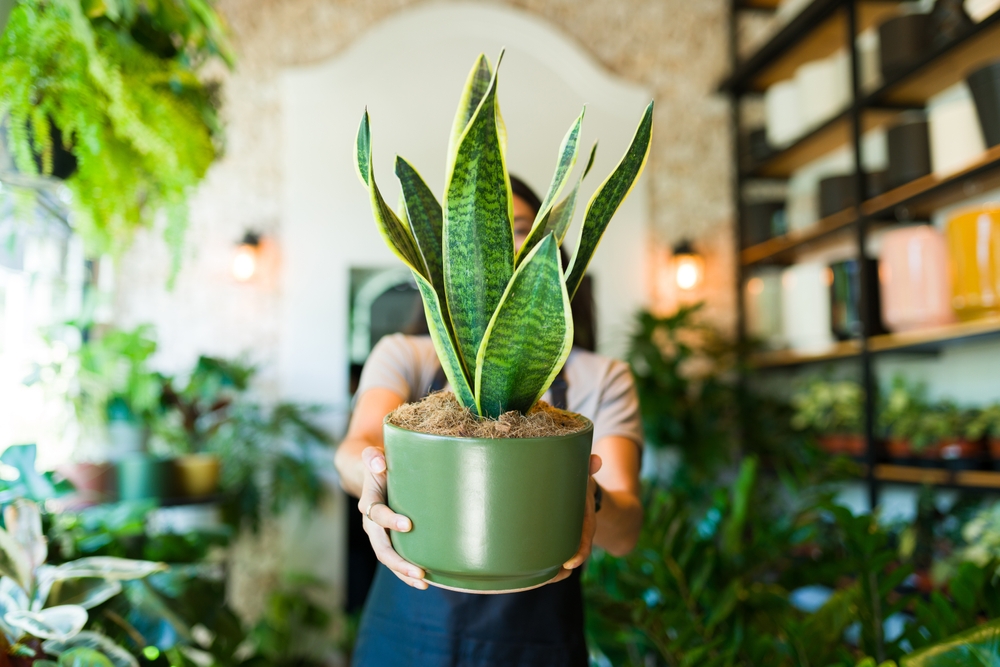
Your houseplants may look peaceful sitting in their pots, but don’t be fooled—they are dramatic little creatures. One day they’re perky and glowing; the next day, they’re drooping like they’ve just worked a 14-hour shift. And if you’ve been shoveling fertilizer at them like you’re fueling a race car, they may be silently begging for mercy. Yes, believe it or not, your leafy companions need a break—a full-on “vacation”—from fertilizer right now.
Whether you’re a rookie plant parent or a seasoned foliage fanatic, giving your plants this strategic pause might be the key to greener leaves, stronger roots, and fewer emotional breakdowns on your end.
Fertilizer Fatigue Is A Real Thing
Plants can absolutely get exhausted from too many nutrients, even if your intentions are pure. While fertilizer gives them essential minerals, too much of it can cause salt buildup in the soil. That layer of excess nutrients can burn roots, stunt growth, and turn leaves crispy around the edges before you know what’s happening. Many houseplants slow down naturally during cooler or darker seasons, and giving them fertilizer during dormancy is like handing someone a triple espresso at midnight. A break allows the soil to rebalance, the roots to recover, and the plant to breathe again—figuratively, of course.
Dormant Seasons Demand A Pause
Even indoor plants follow natural seasonal rhythms, and most slow their growth when sunlight becomes limited. During these dormant periods, they simply don’t have the energy to process or use fertilizer effectively. Anything they can’t use just sits in the soil and becomes a problem later. Giving them a fertilizer vacation respects their natural cycles and sets them up for stronger growth when the seasons shift again. Think of it as letting them hibernate instead of forcing them to train for a marathon.
Roots Need Time To Recover
Roots are hardworking but highly sensitive, and fertilizer overload can irritate them more than you’d expect. When roots get stressed, plants show signs like wilting, discoloration, or a sudden stop in growth—even if conditions seem good. A fertilizer break gives the roots time to repair microscopic damage caused by nutrient concentration. With healthier roots, the plant becomes more resilient and better able to absorb water and nutrients later on. Pausing fertilization now ensures the roots stay strong, stable, and ready for future growth spurts.
Overfertilizing Can Attract Pests
Too much fertilizer encourages lush, weak growth that pests absolutely adore. Aphids, mealybugs, and fungus gnats view over-fertilized plants like a buffet they didn’t have to RSVP for. New, overly soft leaves become easy targets, and pests multiply faster than you can refresh your pest-control search history. Giving your plants a break helps them produce sturdier, healthier foliage that pests find less attractive. It’s like telling bugs, “Sorry, the restaurant is closed for renovation.”
Soil Needs To Reset Too
Soil is more than dirt—it’s an entire ecosystem that thrives when balanced. Over time, frequent fertilizing disrupts that balance, creating chemical fluctuations that affect moisture retention and microbial life. Giving the soil a fertilizer-free vacation helps restore equilibrium and prevents long-term issues like nutrient lockout. When the soil is healthy, the plant can access everything it needs without being force-fed. A short rest now can prevent a long list of soil problems later.
It Prevents “Nutrient Addiction”
Believe it or not, plants can become dependent on constant fertilizing, resulting in shallow root systems and weaker overall structures. They stop digging deeper into the soil for nutrients and water, relying on whatever you pour in. This creates fragile growth that collapses under stress, fluctuating temperatures, or slight watering inconsistencies. A fertilizer break forces the plant to use what’s already available and strengthen its internal systems. Think of it as teaching your plant some much-needed independence.

Water Absorption Improves Without Extra Nutrients
When soil becomes oversaturated with fertilizer salts, it can actually repel water or make it harder for roots to absorb it. This leads to wonky watering cycles where the plant either stays too dry or too wet—neither of which ends well. Pausing fertilizers gives the soil time to flush out excess minerals through regular watering. Once the balance is restored, plants drink more efficiently and maintain consistent hydration. Better hydration means happier leaves, stronger stems, and fewer dramatic plant emergencies.
Plants Grow Better After A Rest
Just like humans, plants can grow faster and stronger after a period of intentional rest. When you stop fertilizing temporarily, the plant shifts from rapid top growth to internal maintenance and fortification. This results in thicker stems, more durable leaves, and a root system that can withstand seasonal changes. When you resume fertilizing later, the plant uses the nutrients more efficiently and produces healthier, more vibrant growth. In other words, the break pays off—and your plant rewards you with its best performance.
It Reduces The Risk Of Root Burn
Root burn is one of the most common (and heartbreaking) outcomes of overfertilizing, and it often goes unnoticed until the damage is noticeable. It happens when nutrients accumulate to the point of chemically scorching the delicate root tips. A fertilizer vacation halts that buildup and gives the root system time to flush out irritants naturally. As the soil resets, the plant becomes less susceptible to long-term damage. Avoiding root burn now means fewer brown leaves, fewer emergency repottings, and a much calmer plant-care routine.
It Aligns With Healthy Long-Term Care
The goal with houseplants isn’t just short-term beauty—it’s long-term stability and sustainable growth. Fertilizing at the wrong time or too frequently creates a roller coaster of nutrient spikes that disrupts overall health. Giving your plants a break now helps you develop a more mindful, seasonally aligned care routine. It teaches you to read your plant’s signals instead of relying on a rigid schedule. Over time, this makes you a more intuitive, confident plant parent.
Give Your Plants The Break They Deserve
Your houseplants may not speak, but their leaves, roots, and soil tell a very clear story when they need rest. A fertilizer vacation gives them space to recover, rebalance, and recharge for the vibrant growth ahead. Now is the perfect time to pause, observe, and let nature handle the rhythm.
Have you ever given your plants a fertilizer break or noticed the benefits firsthand? Share your stories, tips, or plant drama in the comments below for other green thumbs to learn.
You May Also Like…
The Right Way to Move Houseplants Indoors Without Losing Leaves
10 Houseplants That Love Being Brought Inside Now
What Happens to Plants If You Use Enviro Ice on Them?
How Soil Structure Shifts After Heavy Autumn Rains
Leaf Mold Gold: Turning Yard Waste into Next Year’s Best Soil

Brandon Marcus is a staff writer for FrugalGardening.com at District Media, Inc., where he delivers practical gardening advice with a relatable, no-nonsense style. An avid amateur gardener, he holds a BA degree and with over ten years of professional writing experience, he is also an award-winning published author whose first book, Questions For Deep Thinkers, was released by Adams Media. His work has appeared in major publications including Fandom.com, CHUD.com, TheColdWire.com, and Fansided.com.
Leave a Reply