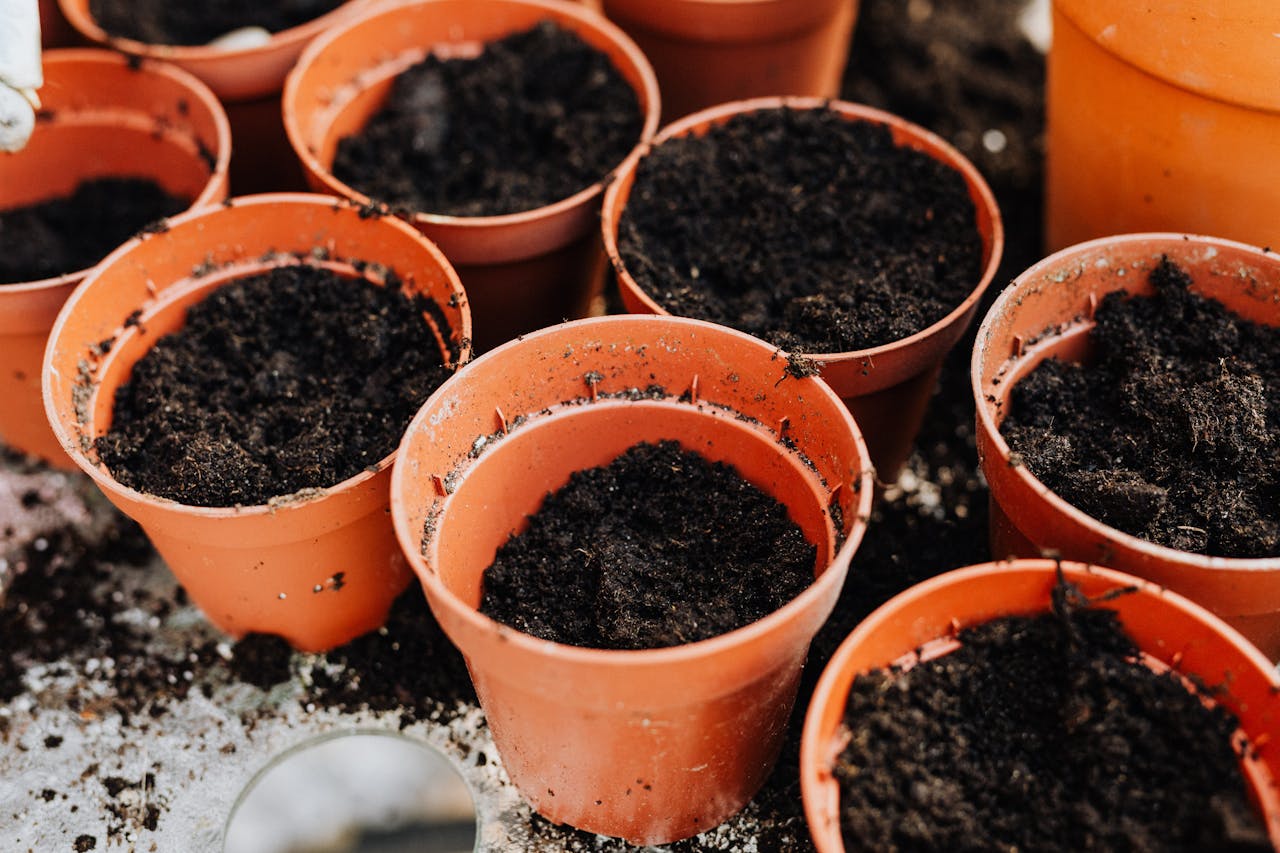
A garden may appear to be perfect on the surface and still fail spectacularly underneath. That rich, dark soil might promise thriving plants, but if water lingers too long or disappears too fast, roots will struggle, rot, or dry out before they ever get established. Soil drainage decides whether a garden becomes a lush paradise or a frustrating experiment in disappointment. Anyone serious about planting needs to understand what happens below the surface before a single seed or shrub goes in.
Great gardeners don’t rely on guesswork. They test, observe, and adjust before planting day arrives. Soil drainage sits at the center of that process because it controls how water, oxygen, and nutrients move through the ground. Plants depend on that balance to survive, not just thrive. Testing drainage sounds technical, but it actually involves simple, hands-on methods that reveal exactly what the soil can handle.
The Hole Test That Tells the Truth
The simplest way to understand soil drainage starts with a shovel and a bit of patience. Dig a hole about 12 inches deep and 12 inches wide in the area where planting will happen. This size gives a realistic snapshot of how water behaves in that section of soil instead of offering a misleading surface-level impression. After digging, fill the hole completely with water and let it drain out once. This first soak helps saturate the surrounding soil so the real test reflects actual conditions rather than dry soil absorbing water too quickly.
Once the water drains, fill the hole again and track how long it takes for the water to disappear. Soil that drains within one to three hours usually offers ideal conditions for most plants. Faster drainage can signal sandy soil that struggles to hold moisture, while slower drainage often points to clay-heavy soil that traps water and suffocates roots. This test gives clear, actionable results without fancy tools or lab reports. It turns an invisible problem into something measurable and easy to understand.
That timing matters more than it might seem. Plants need both water and oxygen at their roots, and poorly draining soil crowds out that oxygen. Roots sitting in waterlogged soil can’t breathe, which leads to rot and weak growth. On the other hand, soil that drains too quickly leaves roots thirsty and stressed. The hole test doesn’t just answer a question—it sets the direction for everything that comes next.
After running this test, adjustments become much easier to plan. Slow drainage might call for adding organic matter like compost to loosen the soil and improve structure. Fast drainage might benefit from materials that help retain moisture, such as well-rotted manure or peat-based amendments. Testing first prevents wasted effort and ensures every improvement actually targets the real issue.
Reading Soil Like a Pro Without Fancy Tools
Not every clue about drainage requires digging holes. Soil texture and structure offer valuable hints that anyone can learn to recognize with a little attention. Grab a handful of moist soil and squeeze it gently. If it forms a tight, sticky ball that holds its shape, that soil likely contains a high percentage of clay, which tends to drain slowly. If the soil falls apart easily and feels gritty, it likely contains more sand and drains quickly.
This hands-on approach adds another layer of understanding to the drainage test. Soil rarely behaves in a perfectly uniform way across an entire yard. One section might drain beautifully while another turns into a puddle after rain. Observing texture helps identify those variations before planting begins. It also helps match plants to the right spots, which can make a dramatic difference in how well they perform.
Color can also offer subtle hints about drainage conditions. Dark, rich soil often indicates good organic content and balanced moisture retention. Pale or grayish soil might signal poor drainage or compacted conditions that limit airflow. These visual clues work best when combined with other tests rather than standing alone, but they still provide useful context.
Smell plays a role too, even if it sounds surprising. Healthy soil smells earthy and fresh, while poorly drained soil can develop a sour or musty odor due to lack of oxygen. That smell signals trouble before plants ever go into the ground. Paying attention to these details turns soil testing into a full sensory experience instead of a chore.
When Water Won’t Move: Fixing Slow Drainage
Slow-draining soil can feel like a dealbreaker, but it doesn’t have to stay that way. Clay-heavy soil often causes the biggest issues because it holds water tightly and compacts easily. Instead of tearing everything out or giving up on planting, smart adjustments can transform that stubborn ground into something workable. Adding organic matter stands as the most effective solution because it improves both drainage and soil structure at the same time.
Compost works especially well because it breaks up dense soil while adding nutrients that plants crave. Mixing it into the top several inches of soil allows water to move more freely without washing everything away. Over time, this process creates a more balanced environment where roots can grow deeper and stronger. Consistency matters here, since one quick fix won’t deliver lasting results.
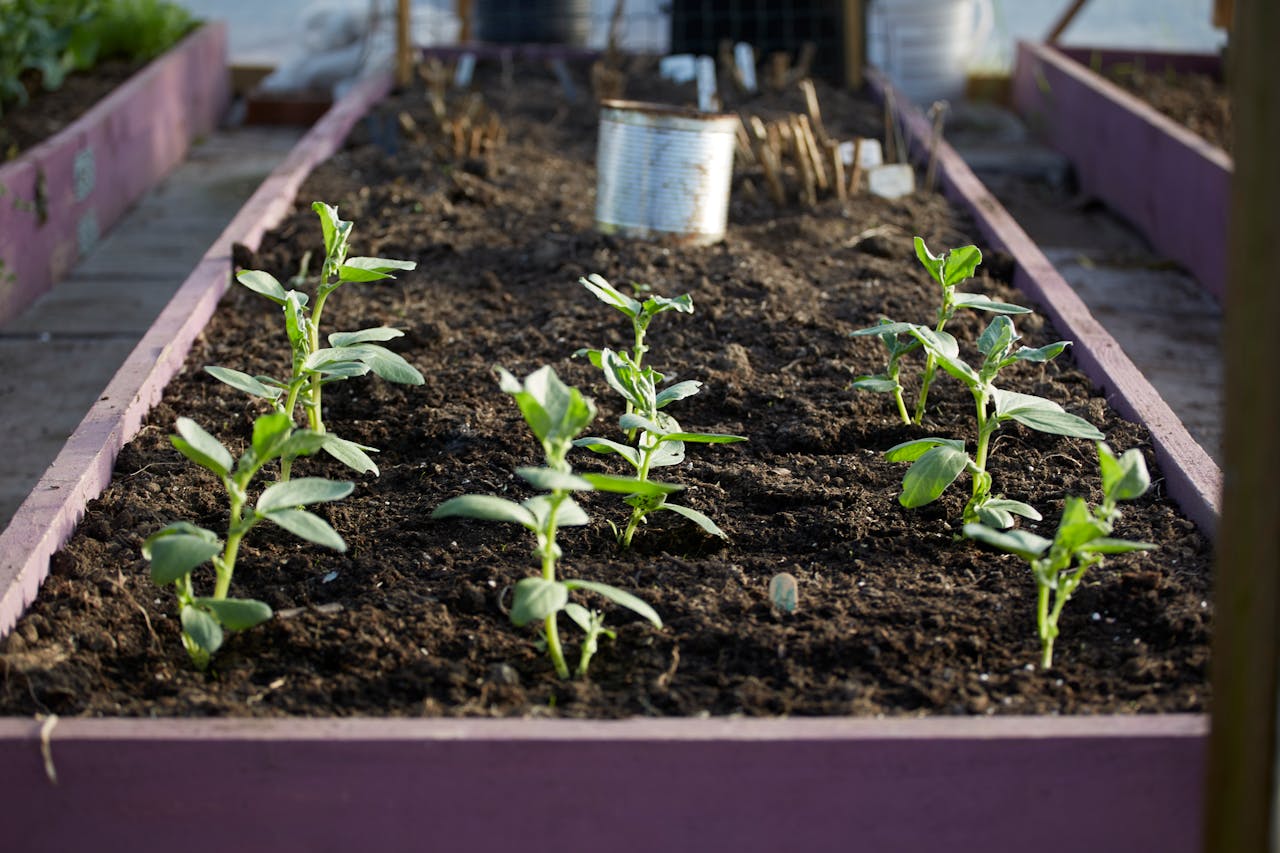
Raised beds offer another powerful option for areas with persistent drainage problems. Building up the soil above ground level gives plants a controlled environment where water can drain properly. This approach works particularly well for vegetables and smaller plants that need reliable conditions to thrive. It also adds a clean, organized look to any garden space.
Drainage channels or French drains can help in more extreme cases where water collects in specific areas. These systems redirect excess water away from planting zones and prevent long-term damage. While they require more effort to install, they can solve problems that simple soil amendments can’t fully address. Every solution builds on the same principle: keep water moving without stripping the soil of what plants need.
When Soil Drains Too Fast: Holding Onto Moisture
Fast-draining soil creates a different kind of challenge. Water rushes through too quickly, leaving plants with little time to absorb what they need. Sandy soil often causes this issue, especially in areas that don’t receive consistent rainfall. Instead of trying to slow water down artificially, the goal focuses on helping the soil hold onto moisture more effectively.
Organic matter plays a key role here as well, but for a different reason. Materials like compost, coconut coir, or aged manure act like sponges within the soil, capturing water and releasing it slowly over time. Mixing these materials into the soil improves its ability to support plant growth without creating soggy conditions. It also boosts nutrient retention, which helps plants stay healthy.
Mulching the soil surface adds another layer of protection against rapid drainage. A thick layer of mulch reduces evaporation and keeps moisture where it belongs. It also regulates soil temperature, which helps roots function more efficiently. This simple step can make a noticeable difference in how often plants need watering.
The Final Check Before Planting Takes Over
Testing soil drainage doesn’t need to feel complicated or time-consuming, but skipping it can lead to frustrating results that linger for an entire growing season. A few simple tests reveal exactly what the soil can handle and open the door to smarter decisions. Adjustments become targeted instead of random, and planting plans start to align with real conditions instead of hopeful guesses. That kind of preparation builds confidence before the first plant even touches the ground.
What kind of soil sits beneath that future garden, and what story does it tell about how water moves through it? Drop a thought, a tip, or even a drainage disaster story in the comments.
You May Also Like…
5 Cheap Garden Path Ideas That Improve Access and Drainage
The Real Reasons Your Garden Drainage Isn’t Working Like It Should
Cheap Ways to Improve Garden Drainage
Why You Need to Check Soil Drainage Before the First Freeze
The Drainage Mistake That’s Ruining Your Garden’s Soil Each Winter

Brandon Marcus is a staff writer for FrugalGardening.com at District Media, Inc., where he delivers practical gardening advice with a relatable, no-nonsense style. An avid amateur gardener, he holds a BA degree and with over ten years of professional writing experience, he is also an award-winning published author whose first book, Questions For Deep Thinkers, was released by Adams Media. His work has appeared in major publications including Fandom.com, CHUD.com, TheColdWire.com, and Fansided.com.
Leave a Reply