Tomato lovers in Georgia know the heartbreak: one day your plants look lush, green, and full of promise, and the next day they look like they’ve been chewed, sucked, or shredded by something with a personal vendetta. If you’ve been wondering why your backyard tomatoes keep disappearing, collapsing, or turning into sad, spotty versions of themselves, you’re not imagining things.
A particular pest has been wreaking havoc across Georgia gardens, and it’s bold, hungry, and surprisingly sneaky. The good news? Once you know what you’re dealing with, you can stop it without spending a fortune. Grab your gardening gloves—this is a battle you can absolutely win.
Meet the Tomato Hornworm: Georgia’s Most Infamous Tomato Destroyer
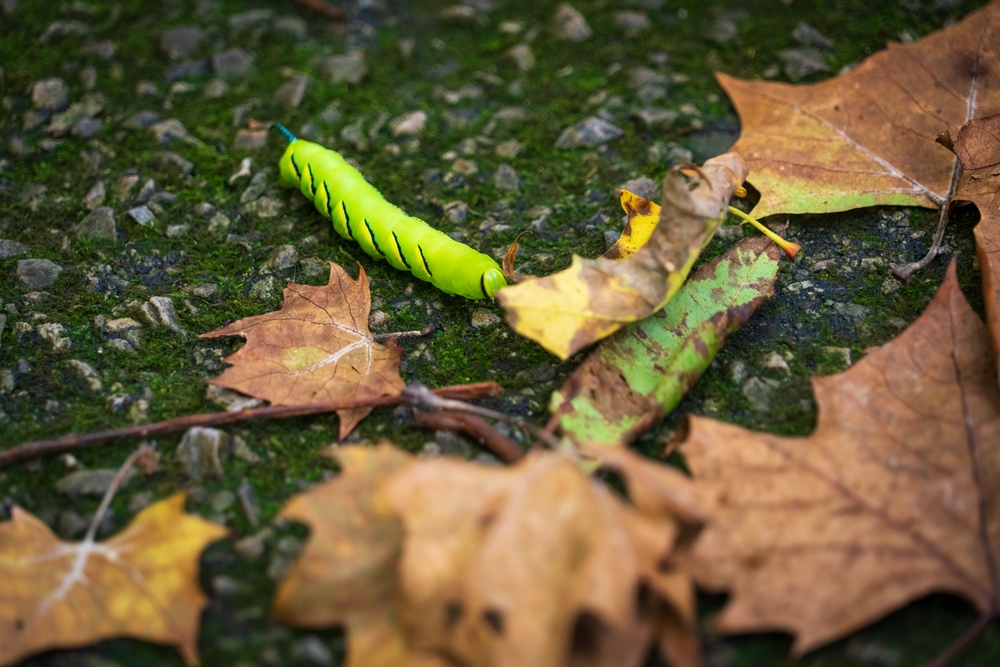
If you’ve ever walked outside and thought, “How did my tomato plant lose half its leaves overnight?” there’s a good chance a tomato hornworm was the culprit. These caterpillars are large—sometimes shockingly large—but they blend in so well that gardeners often miss them until the damage is dramatic. Hornworms can strip a plant of foliage quickly, and they’re especially active during Georgia’s warm, humid summers.
They don’t just eat leaves; they’ll chew through stems and even take bites out of green tomatoes. The reason they’re such a problem this month is simple: their population peaks when temperatures rise and plants are at their most vulnerable. The key to stopping them is early detection, because once they settle in, they eat like they’re training for a competitive sport.
Why Hornworms Thrive in Georgia’s Climate
Georgia’s climate is practically a spa retreat for hornworms. Warm nights, long growing seasons, and plenty of lush vegetation create ideal conditions for them to thrive. Adult moths lay eggs on the undersides of tomato leaves, and once those eggs hatch, the caterpillars waste no time getting to work.
Because Georgia gardeners often plant tomatoes early and grow them long into the season, hornworms have multiple opportunities to feed. They also grow incredibly fast, which means a tiny caterpillar on Monday can be a thumb‑sized leaf‑eating machine by Friday. Understanding how quickly they develop helps explain why they seem to appear out of nowhere—and why you need to act fast when you spot them.
The Damage They Cause Is Fast, Dramatic, and Easy to Miss at First
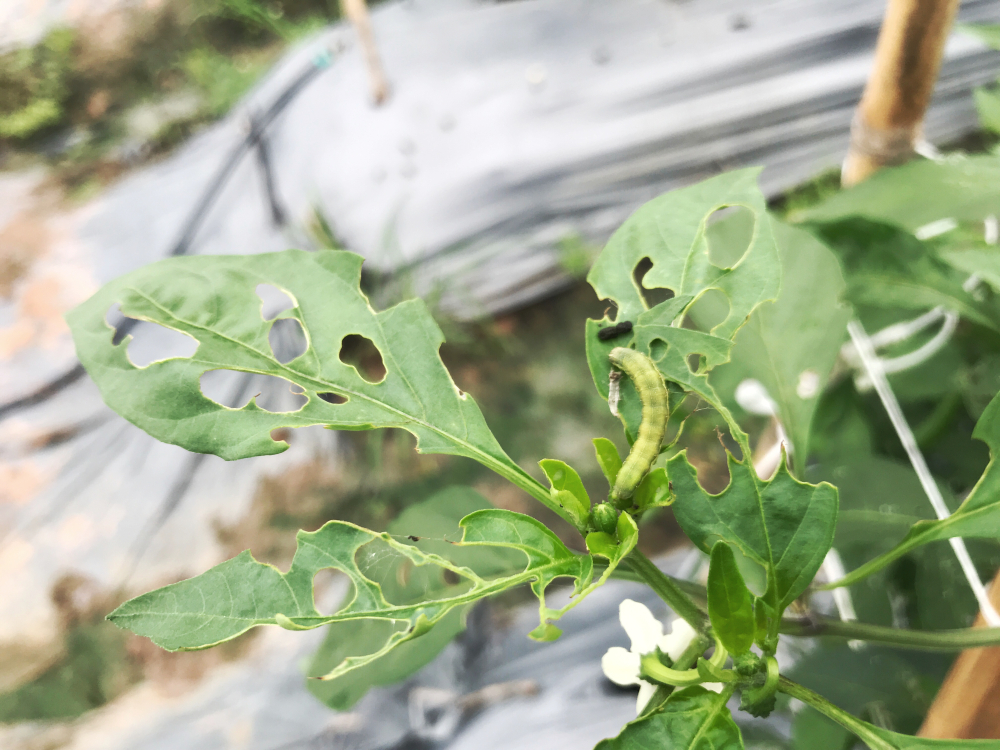
Hornworms are stealthy. They blend in with stems, hide under leaves, and stay still when disturbed. Many gardeners don’t notice them until the damage becomes impossible to ignore. You might see bare stems, missing leaves, droppings that look like dark pellets, or half‑eaten tomatoes.
Because hornworms feed heavily at night and early morning, you may not catch them in the act. The suddenness of the damage often leads gardeners to assume disease or drought is to blame. But once you know the signs, you’ll recognize hornworm activity instantly. The trick is to know what to look for and check your plants regularly so you can catch them before they turn your tomato patch into a buffet.
The Cheapest and Most Effective Way to Stop Them: Hand‑Picking
Here’s the part that surprises new gardeners: the most effective hornworm control method is completely free. Hand‑picking. Yes, it sounds old‑school, but it works incredibly well. Hornworms are large enough to spot once you know what to look for and removing them by hand stops the damage immediately.
If the idea makes you squeamish, wear gloves or use tongs. Drop the caterpillars into a bucket of soapy water to dispose of them safely. This method is recommended by agricultural extension services because it’s fast, chemical‑free, and highly effective. A few minutes of searching each day can save your entire tomato crop.
Cheap Organic Options That Actually Work
If hand‑picking isn’t enough—or if you’re dealing with a heavy infestation—there are inexpensive organic treatments that work well against hornworms. Bacillus thuringiensis, a naturally occurring soil bacteria, is one of the most effective options. It targets caterpillars specifically and is widely used in home gardens.
Another option is neem oil, which already has great benefits for your garden. It can deter feeding and disrupt growth. Both are affordable, easy to apply, and safe when used as directed. Just remember that these treatments work best when applied early, before hornworms grow too large. Combining hand‑picking with a light organic treatment can give you excellent results without breaking your budget.
Preventing Future Infestations Starts With Smart Garden Habits
Stopping hornworms isn’t just about reacting—it’s about prevention. Rotating your crops each year helps reduce the number of overwintering pests. Keeping your garden free of weeds, especially nightshade varieties, removes alternative food sources. Checking the undersides of leaves for eggs can help you catch problems early.
Even simple steps like spacing plants properly and pruning for airflow can make your garden less appealing to pests. These habits cost nothing but can dramatically reduce your chances of dealing with hornworm outbreaks in the future.
Your Tomatoes Can Thrive Again With a Little Attention and a Lot of Awareness
Hornworms may be intimidating, but they’re far from unbeatable. Once you know what to look for and how to respond, you can protect your tomatoes without spending much money at all. Georgia gardeners face unique challenges thanks to the state’s warm climate, but with a few smart strategies, you can keep your plants healthy and productive all season long. Your tomatoes deserve a fighting chance—and now you have the tools to give them one.
What’s the worst tomato pest you’ve ever battled in your garden? Do you have a way to fight back against hornworms? Let’s hear your tales and success stories below.
You May Also Like…
This One Winter Gardening Habit Could Be Spreading Invasive Pests Across the South
Why Your Raised Beds Might Be Harboring Pests Right Now—Even in Freezing Temps
Why Pests Overwinter in Untended Garden Beds
The Mulch That’s Causing Mold Problems in Southern Homes
6 Garden Pests That Hibernate in Your Soil

Brandon Marcus is a staff writer for FrugalGardening.com at District Media, Inc., where he delivers practical gardening advice with a relatable, no-nonsense style. An avid amateur gardener, he holds a BA degree and with over ten years of professional writing experience, he is also an award-winning published author whose first book, Questions For Deep Thinkers, was released by Adams Media. His work has appeared in major publications including Fandom.com, CHUD.com, TheColdWire.com, and Fansided.com.
Leave a Reply