Weeds always seem to appear at the worst possible moment, turning a tidy garden into a messy scramble of unwanted growth. One simple habit changes that entire dynamic by making it harder for weeds to even get started in the first place. Instead of relying on constant pulling or chemical sprays, gardeners can shift the environment so weeds lose their advantage. This approach works with nature rather than against it, and it saves both time and energy throughout the growing season. The real secret comes down to how the soil stays covered and protected at all times.
A garden does not need perfect conditions for weeds to take over, only exposed soil and a little sunlight. Once bare patches appear, nature rushes in to fill the gap with fast-growing plants that compete with vegetables and flowers. By changing how the soil is managed, the entire weed cycle slows down dramatically.
Why Bare Soil Invites Unwanted Weeds
Bare soil acts like an open invitation for weed seeds waiting in the environment. Wind, birds, and even garden tools constantly move seeds into open spaces where they quickly find room to grow. Once sunlight reaches the soil surface, many weed varieties respond instantly and begin sprouting within days. This rapid response gives them a head start over slower-growing garden plants that need more stable conditions. A garden that leaves soil exposed essentially provides weeds with everything they need to take over.
Moisture also plays a major role in this process because uncovered soil dries unevenly and creates ideal germination pockets. Weed seeds love these shifting conditions because they signal an opportunity to establish roots quickly. At the same time, exposed soil temperature swings more dramatically, which further encourages weed growth. Keeping soil unprotected essentially sets the stage for constant regrowth cycles that feel never-ending. Once this pattern starts, it becomes harder to regain control without changing the environment itself.
The Simple Habit That Changes Everything: Constant Soil Cover
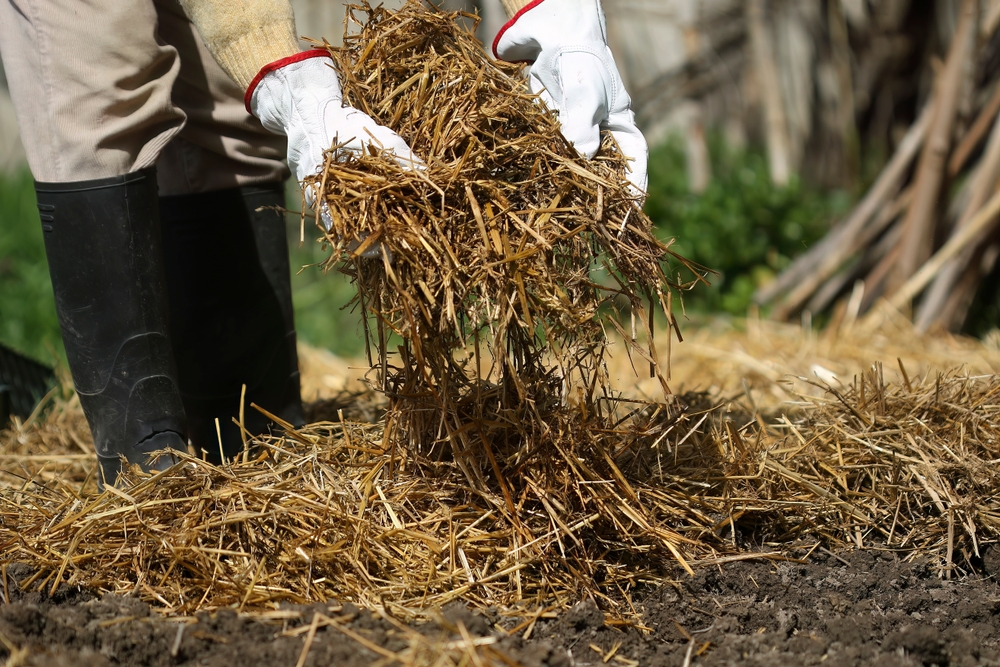
Keeping soil covered at all times stands out as the most effective habit for reducing weed growth naturally. This practice blocks sunlight from reaching weed seeds while also stabilizing moisture levels beneath the surface. Gardeners use organic mulch, shredded leaves, straw, or grass clippings to create this protective layer. When applied consistently, this habit disrupts weed germination before it even begins. Over time, the garden develops a cleaner and more manageable appearance with far less effort.
Soil cover also supports healthier plant growth by improving soil structure and reducing evaporation. Plants experience less competition for nutrients because fewer weeds emerge to challenge them. This habit also encourages beneficial soil organisms that break down organic matter and enrich the earth. As the mulch layer decomposes, it feeds the soil and strengthens long-term fertility. A garden that maintains consistent coverage becomes more stable and less reactive to seasonal weed surges.
How to Choose the Right Mulch for Different Garden Beds
Different garden areas benefit from different types of mulch depending on plant needs and soil conditions. Vegetable beds often respond well to straw or shredded leaves because these materials break down quickly and enrich the soil. Flower beds may benefit from wood chips that stay in place longer and create a clean visual finish. Pathways between garden rows work best with coarser mulch that resists foot traffic and compaction. Matching the mulch to the space ensures better performance and fewer maintenance issues.
Thickness also matters because too little mulch allows light to reach weed seeds, while too much can suffocate plant roots. A balanced layer blocks weeds while still letting air and water move through the soil. Replenishing mulch throughout the growing season keeps the barrier strong and effective. Gardeners who maintain this habit notice fewer surprise weed outbreaks and less need for constant pulling. Over time, the garden becomes easier to manage and more visually consistent.
A Cleaner Garden With Less Back-Breaking Work
A weed-resistant garden does not come from working harder but from working smarter with consistent soil coverage. This habit reshapes the entire growing environment so weeds lose their natural advantage. Instead of reacting to constant growth, gardeners maintain a system that prevents most weeds from appearing in the first place. The result feels more controlled, more predictable, and far less exhausting over time. Small, steady actions create a garden that stays visually cleaner and easier to enjoy.
What gardening habit has made the biggest difference in reducing weeds in your space? It’s time to share your stories and experiences below in our comments section.
You May Also Like…
Win the War on Weeds: Low-Cost Strategies to Shrink Your Weed Seed Bank
Stop Pulling These ‘Weeds’—Comfrey and Nettles Can Fertilize Your Garden
Mulching Magic: Budget-Friendly Ways To Conserve Water And Suppress Weeds
The Cardboard Barrier: The Permanent Fix for Weeds That Costs $0
Why Your “Weeds” Are Actually a Free Superfood Salad

Brandon Marcus is a staff writer for FrugalGardening.com at District Media, Inc., where he delivers practical gardening advice with a relatable, no-nonsense style. An avid amateur gardener, he holds a BA degree and with over ten years of professional writing experience, he is also an award-winning published author whose first book, Questions For Deep Thinkers, was released by Adams Media. His work has appeared in major publications including Fandom.com, CHUD.com, TheColdWire.com, and Fansided.com.
Leave a Reply