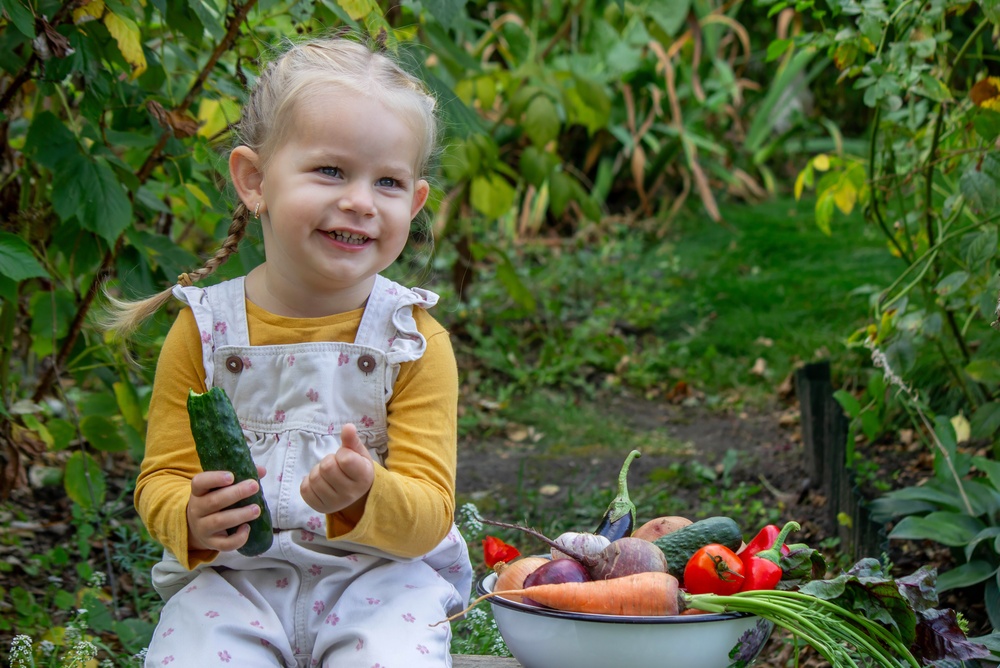
Grocery bills seem to find new ways to surprise families every time they visit the store. One week it’s lettuce, the next it’s tomatoes, herbs, or peppers. As food prices continue to put pressure on household budgets, many families have started looking beyond coupons and sales flyers for relief.
That search has led countless people right into their own backyards. Home vegetable gardening has become one of the most practical and rewarding ways to stretch a grocery budget while bringing fresher food to the dinner table. A few raised beds, containers, or even a sunny patch of soil can produce an impressive amount of food throughout the growing season. Better yet, gardening offers benefits that go far beyond saving money.
Growing Food at Home Creates Savings That Add Up
A backyard garden can quickly reduce spending on some of the most frequently purchased grocery items. Herbs, tomatoes, lettuce, cucumbers, green beans, peppers, and zucchini often produce far more than a family expects from a relatively small space. Many gardeners find themselves harvesting enough food to supplement meals for months.
The biggest savings often come from crops that continue producing throughout the season. Instead of purchasing fresh herbs every week, gardeners can step outside and snip exactly what they need. Leafy greens can provide repeated harvests, while tomato plants may deliver baskets of fruit during peak summer months. Those repeated harvests create a steady stream of grocery savings that many families notice surprisingly quickly.
Some beginners assume they need a large yard to make gardening worthwhile. In reality, many productive gardens grow entirely in containers on patios, decks, and balconies. Even a handful of pots filled with herbs and vegetables can offset grocery purchases while requiring very little space.
Families who preserve extra produce through freezing, drying, or canning often extend those savings into fall and winter. A bumper crop of tomatoes can become pasta sauce, salsa, or soup. Fresh herbs can be dried and stored for months, reducing the need to purchase packaged seasonings later in the year.
Gardening Encourages Smarter Food Spending Habits
Something interesting happens when people start growing their own food. They often become more intentional about how they shop, cook, and eat. Fresh vegetables sitting in the garden serve as a constant reminder to use what is available before heading to the grocery store.
Many families begin planning meals around what they harvest. A basket of zucchini may inspire stir-fries, casseroles, or grilled side dishes. Fresh lettuce can become the foundation for several meals throughout the week. This shift often reduces food waste because gardeners place greater value on produce they have grown themselves.
Children frequently become more interested in vegetables when they help grow them. A child who refuses store-bought peas might eagerly sample peas picked directly from a garden bed. That enthusiasm can reduce the amount of unused produce that ends up in the trash.
Gardening also encourages seasonal eating. Instead of purchasing expensive out-of-season vegetables, families learn to enjoy what naturally grows during each part of the year. Seasonal produce often tastes better and aligns naturally with a more budget-conscious approach to food.
A Backyard Garden Offers More Than Just Financial Benefits
While saving money motivates many new gardeners, most quickly discover additional rewards. Freshly harvested produce often delivers flavor that store-bought vegetables simply cannot match. A tomato picked at peak ripeness can completely change someone’s opinion about tomatoes.
The garden itself becomes a valuable outdoor space for families. Parents and children can work together planting seeds, watering plants, and harvesting vegetables. Those shared experiences create lasting memories while teaching practical skills that remain useful throughout life.
Many gardeners also appreciate the sense of independence that comes from producing some of their own food. Growing even a small portion of household produce creates confidence and resilience. When grocery prices fluctuate, gardeners know they have another source of fresh ingredients available. Physical activity represents another often-overlooked benefit. Digging, planting, weeding, and harvesting keep people moving throughout the season. Unlike structured exercise, gardening often feels productive and enjoyable because every task contributes directly to the garden’s success.
Starting Small Often Leads to the Best Results
One common mistake new gardeners make involves planting too much too soon. Excitement can lead people to fill every available space with vegetables, only to discover they lack the time needed to maintain everything properly. Starting small usually produces better results and less frustration.
A few carefully selected crops often provide the greatest return for beginners. Herbs, cherry tomatoes, lettuce, cucumbers, and green beans tend to offer reliable harvests without requiring extensive gardening experience. Success with a handful of plants builds confidence for future seasons.
New gardeners should also focus on growing foods they actually enjoy eating. Planting vegetables simply because they seem popular can lead to wasted harvests. Families save the most money when they grow items they regularly purchase and use in their meals.
The Garden-to-Table Movement Keeps Gaining Momentum
The popularity of backyard gardening shows no signs of slowing down because it addresses several challenges at once. Families gain access to fresh food, reduce grocery spending, spend more time outdoors, and develop useful skills that can last a lifetime. Few hobbies offer such a practical combination of benefits.
As grocery prices continue to challenge household budgets, more families are discovering that some of the best savings opportunities are growing just outside the back door. A little time and effort in the garden can translate into fresher meals, lower food costs, and a deeper connection to the food on the plate.
What vegetables or herbs would you grow first to help reduce your grocery bill? Share your thoughts and experiences in the comments below.
You May Also Like…
The 100-Pound Potato Secret: How One $5 Bag of Spuds Feeds a Family
Why More Families Are Starting “Emergency Gardens” This Year
The Budget Backyard Trend That Makes Homes Feel More Relaxing
8 Plants That Help Create Natural Backyard Shade
Why Backyard Chickens and Gardening Are Becoming the Ultimate Frugal Combo

Brandon Marcus is a staff writer for FrugalGardening.com at District Media, Inc., where he delivers practical gardening advice with a relatable, no-nonsense style. An avid amateur gardener, he holds a BA degree and with over ten years of professional writing experience, he is also an award-winning published author whose first book, Questions For Deep Thinkers, was released by Adams Media. His work has appeared in major publications including Fandom.com, CHUD.com, TheColdWire.com, and Fansided.com.
Leave a Reply