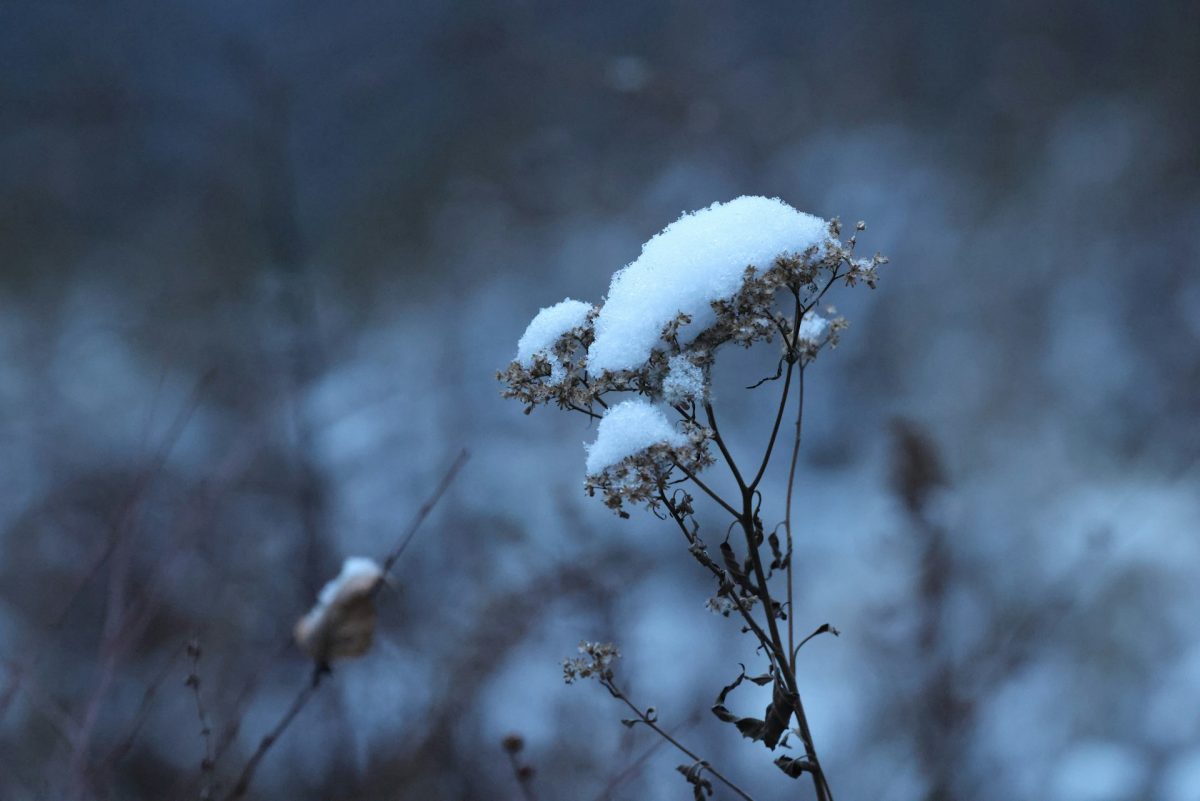
Winter can feel like a quiet thief when it comes to gardens. One morning everything looks crisp and alive, and then a harsh cold spell leaves leaves drooping, stems darkening, and your beloved plants looking like they lost their spark overnight. The good news sits right there in the soil: many winter-damaged plants do not need replacing. With patience, sharp tools, and the right approach, gardens can wake up again like they just enjoyed a long nap.
Spring often carries hope for plant recovery because many plants enter dormancy during colder months. Think of dormancy as nature’s version of hitting the pause button. Roots stay alive underground even when stems and leaves look tired or dead. Gardeners sometimes rush to replace damaged plants when pruning, watering, and time might bring them back stronger. The difference between saving a plant and losing it often comes down to understanding what winter truly did to the plant’s tissues.
Give Your Plant a Careful Wake-Up Call
Cold damage looks scary at first glance, especially when leaves turn brown, black, or mushy after frost exposure. Jumping straight to cutting everything off does not help. Instead, wait until the danger of hard frost passes before starting recovery work. The plant needs stable temperatures before it starts healing wounds from cold injury.
Start by checking stems and branches. Scratch lightly at the bark using a fingernail or small knife. Green tissue underneath means life still flows inside. Brown or gray tissue means that section likely died. Gardeners should remove only the dead parts because healthy tissue helps the plant rebuild strength. Cutting too deeply too early stresses the plant and slows recovery.
Sharp pruning tools matter here because clean cuts heal faster. Dull scissors crush stems instead of slicing them, which invites disease into the plant’s open wounds. Clean tools using alcohol before and after pruning to keep fungal infections away. Many gardening experts from the Royal Horticultural Society remind gardeners that hygiene in pruning matters just as much as technique.
Watering Wisely Without Drowning Hope
Winter-damaged plants sometimes suffer more from poor spring watering habits than from frost itself. Soil that stays soggy suffocates roots because oxygen cannot travel through waterlogged ground. At the same time, drought stress stops recovery because damaged roots cannot search for moisture efficiently.
Give soil a slow, deep drink instead of a quick splash. Pour water around the base of the plant rather than over the leaves. Check soil moisture by sticking a finger about two inches into the dirt. If soil feels dry at that depth, add water slowly until moisture spreads through the root zone. This method encourages roots to grow downward where soil stays more stable.
Adding mulch helps stabilize moisture and temperature around recovering plants. Organic mulch like shredded leaves or bark chips works well because it slowly feeds soil microbes while protecting roots from sudden weather changes. Spread mulch about two to three inches thick but keep it slightly away from the plant stem so bark does not stay wet.
Feed the Soil, Not Just the Leaves
Winter damage often weakens plant metabolism, which means plants struggle to absorb nutrients right away. Throwing strong fertilizer at a stressed plant can shock roots and burn fragile tissues. Slow and gentle feeding wins this stage of recovery.
Choose balanced fertilizers or compost teas instead of high-nitrogen boosters early in the recovery period. Nitrogen encourages leafy growth, but damaged plants first need root and structural repair. Compost improves soil structure and feeds helpful microorganisms that support recovery naturally.
Mix compost into the top layer of soil rather than digging deeply around roots. Roots sometimes live close to the surface after winter stress, and aggressive digging can tear them. Gardeners should think of soil feeding like serving a warm, healthy meal instead of forcing a big feast.
Watch for Hidden Signs of Life
Recovery does not always show itself quickly. Some plants sit quietly for weeks before pushing out new buds. New green growth near branch tips or at stem joints signals that recovery is working. Swelling buds often mean the plant prepares for fresh leaf development.
Remove only clearly dead sections during early recovery. Cutting too much living tissue removes energy storage the plant needs. Think of pruning like helping a tired athlete shed broken gear while keeping working equipment.
Protecting the plant from future cold snaps also matters. Cover sensitive plants during unexpected late frost nights using breathable fabric or garden blankets. Plastic coverings trap moisture and sometimes cause more harm by encouraging fungal growth.
Patience Is the Real Secret Weapon
Recovery does not follow a fixed schedule. Some plants bounce back in weeks, while others need an entire growing season to rebuild structure. Rushing the process usually creates more damage. Let nature set the pace while providing steady care.
Gardeners sometimes feel tempted to replace plants that look ugly or lifeless. But many species survive winter injury if roots remain healthy. Saving an established plant often proves easier than planting a new one because mature root systems already explore deeper soil layers.
Plants respond strongly to consistent care. Regular watering schedules, light pruning, and gentle feeding create stability. Sudden changes in care routines confuse recovering plants and slow growth.
When Replacement Becomes the Better Choice
Sometimes winter damage crosses a point of no return. If bark turns completely brittle, stems snap without showing green tissue inside, or roots smell rotten and collapse under gentle pressure, replacement might become the practical choice. Diseased plants should also leave the garden to protect nearby vegetation.
Still, replacing plants should feel like a last resort rather than a first reaction. Many winter survivors surprise gardeners by returning stronger once weather stabilizes.
Helping a Garden Remember Its Strength
Reviving winter-damaged plants teaches patience and respect for natural cycles. Cold seasons challenge life, but they also help plants grow tougher tissues and deeper roots over time. A garden that survives winter damage often develops resilience that shows up in brighter blooms and stronger stems later.
Plants do not rush healing, and gardeners should not rush them either. With careful pruning, thoughtful watering, gentle feeding, and steady patience, winter-damaged plants can return to life and continue growing stories of green resilience in soil that once looked defeated.
Have winter frost or cold weather ever damaged plants in a garden you care about, and what tricks helped bring them back? Share experiences, tips, or questions in the comments section, and talk about your plant rescue stories.
You May Also Like…
Why Your Garden Shed Could Be Harboring Toxic Mold This Winter
Vertical Gardeners Warned: These Popular Plants Are Failing in Winter Conditions
Experts Say This Winter Habit Is Causing Houseplants to Drop Leaves
Gardeners Warned: This Common Winter Cleanup Habit Is Spreading Fungal Disease in Raised Beds
This Winter Gardening Habit Is Spreading Mold and Root Rot, Experts Warn

Brandon Marcus is a staff writer for FrugalGardening.com at District Media, Inc., where he delivers practical gardening advice with a relatable, no-nonsense style. An avid amateur gardener, he holds a BA degree and with over ten years of professional writing experience, he is also an award-winning published author whose first book, Questions For Deep Thinkers, was released by Adams Media. His work has appeared in major publications including Fandom.com, CHUD.com, TheColdWire.com, and Fansided.com.
Leave a Reply