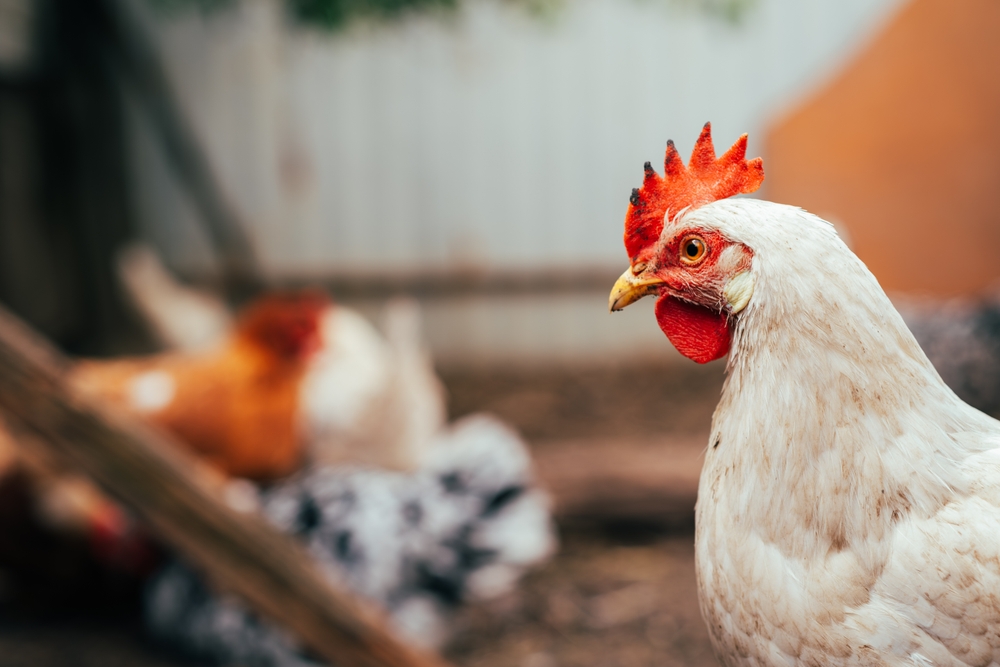
Rising grocery costs continue to push households toward creative ways of producing food at home, and backyard spaces now carry more value than ever before. Chickens scratch through soil, gardens produce fresh vegetables, and together they form a practical system that turns everyday waste into real meals. This pairing does more than add charm to a yard because it creates a steady loop where food scraps become feed and natural fertilizer cycles back into the soil.
Many families now see this combination as a reliable way to stretch budgets while still enjoying fresh, high-quality ingredients. The appeal grows as more people realize that small outdoor spaces can support meaningful food production with the right setup.
The Natural Partnership Between Chickens And Garden Beds
Chickens scratch through soil with constant motion, searching for insects, seeds, and organic matter that would otherwise go to waste in a backyard. Garden beds provide a steady supply of fallen fruit, vegetable trimmings, and weeds that naturally feed chickens without extra spending. This interaction creates a closed loop where animals and plants support each other through everyday activity rather than complicated systems. Gardeners often rotate chickens through different sections of the yard to help control pests while avoiding chemical sprays or expensive treatments. The combination strengthens the entire backyard environment by turning simple behaviors into productive results that support both food and soil health.
This partnership also helps reduce the workload of traditional garden maintenance because chickens actively clear unwanted growth while they forage. Their movement across soil breaks up surface debris and exposes hidden insects that might damage crops if left unchecked. Gardeners gain more control over pest levels without relying on store-bought solutions or artificial additives. Chickens also encourage a more dynamic garden layout since owners design spaces that allow controlled grazing and protection of delicate plants. The system rewards thoughtful planning and creates a backyard environment that constantly cycles between feeding animals and nourishing plants.
The Money Saving Power Of A Backyard Food Loop
Backyard chickens produce a steady supply of eggs that replace a significant portion of weekly grocery store purchases for many households. Garden harvests deliver fresh vegetables during peak growing seasons and reduce dependence on store-bought produce that often fluctuates in price. Kitchen scraps and yard waste feed chickens directly, which lowers the need for commercial feed and cuts recurring expenses. This system gives households more control over food costs because production happens right at home instead of relying on supply chains. Over time, this combination helps stabilize household budgets while improving access to fresh ingredients.
Families also benefit from reduced waste since nearly every part of the kitchen and yard finds a second purpose in the backyard system. Food scraps become chicken feed, and chicken manure becomes fertilizer that supports stronger plant growth in garden beds. This cycle reduces trips to the store and limits impulse spending on items that the backyard already supplies. Households also gain more predictable food output because chickens lay eggs consistently and gardens produce harvests throughout the growing season. The result creates a financial buffer that supports long-term savings while still delivering fresh food daily.
How Chickens Improve Soil And Garden Performance
Chicken manure adds valuable nutrients to garden soil, including nitrogen and other elements that support strong plant development and healthy growth cycles. Their constant scratching loosens compacted soil and improves airflow around roots, which helps plants access water and nutrients more efficiently. Compost piles break down faster when chickens contribute organic matter and turn over scraps during their natural foraging behavior. Gardeners also benefit from reduced pest populations because chickens actively eat insects, larvae, and weed seeds that threaten crops. These combined effects lead to stronger garden performance and more reliable harvests throughout the growing season.
The presence of chickens creates a more active soil environment that supports long-term garden health instead of short-term fixes. Their movement encourages natural soil turnover that reduces the need for manual digging or heavy equipment use. Garden beds also gain more organic richness over time as manure and compost continue cycling through the system. Plants respond to this environment with improved growth patterns and better resistance to common garden stressors. This relationship turns a backyard into a productive ecosystem where soil and animals work together continuously.
A Sustainable Backyard System That Builds Everyday Resilience
Backyard chickens and gardens form a connected system that reduces reliance on external food sources and strengthens household resilience through daily production. This setup encourages consistent access to fresh ingredients while reducing dependence on grocery store fluctuations and supply chain delays. Homeowners must manage practical challenges such as predator protection, local regulations, and proper waste handling to maintain safety and cleanliness.
New gardeners and chicken keepers also refine their routines over time as they learn how seasonal changes affect both animals and plants. This learning process builds confidence and encourages long-term commitment to the system.
What small backyard change could make the biggest difference in your daily food costs or garden productivity?
You May Also Like…
9 Natural Ways to Deter Snails Without Harming Pets or Pollinators
These Birdseed Additives Are Spreading Salmonella — Wildlife Officials Sound the Alarm
The Fertilizer Burn Risk for Newly Planted Crops
The 7 Most Heat-Tolerant Plants for Busy Gardeners
The Backyard Gardening Rule That Could Save You Hundreds on Water Bills

Brandon Marcus is a staff writer for FrugalGardening.com at District Media, Inc., where he delivers practical gardening advice with a relatable, no-nonsense style. An avid amateur gardener, he holds a BA degree and with over ten years of professional writing experience, he is also an award-winning published author whose first book, Questions For Deep Thinkers, was released by Adams Media. His work has appeared in major publications including Fandom.com, CHUD.com, TheColdWire.com, and Fansided.com.
Leave a Reply