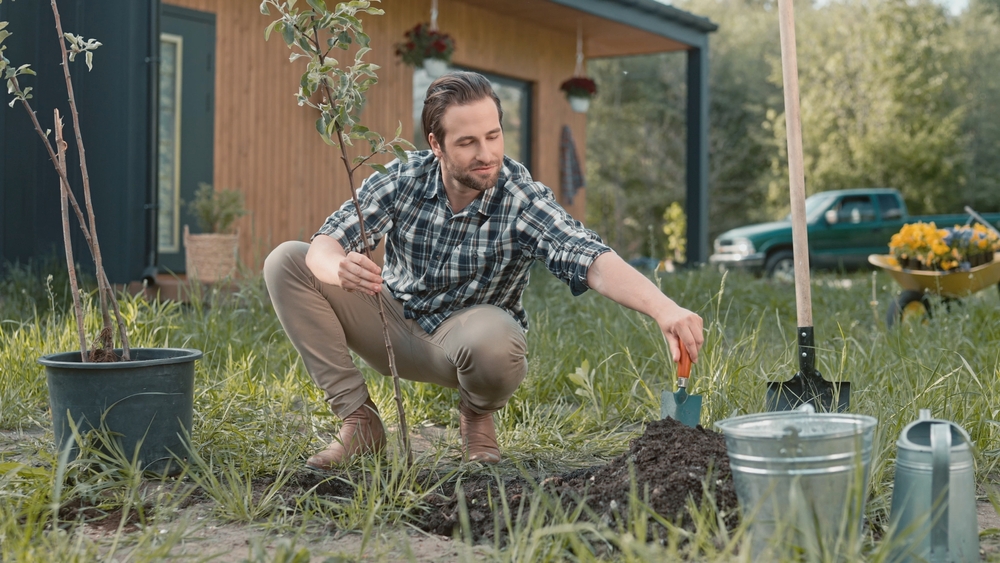
For years, perfectly trimmed lawns ruled suburban neighborhoods. A neat patch of grass became the standard symbol of a well-kept home. Today, however, many homeowners are swapping parts of those lawns for something far more rewarding: fruit trees. From apples and pears to peaches and cherries, backyard orchards are making a noticeable comeback.
This renewed interest goes far beyond gardening trends. Homeowners increasingly want practical landscapes that offer beauty and usefulness at the same time. Rising grocery prices, growing interest in self-sufficiency, and a desire for healthier outdoor spaces have all fueled the movement. Fruit trees provide fresh produce, beautiful scenery, and long-term value, making them one of the most appealing additions to modern yards.
Fruit Trees Turn Yards Into Food-Producing Spaces
A fruit tree changes the purpose of a yard almost immediately. Instead of serving only as a decorative space, the property begins producing something tangible and useful. Homeowners enjoy the satisfaction of walking outside and picking fresh fruit directly from their own trees. That simple experience creates a stronger connection to the food on the table.
Many gardeners also appreciate how fruit trees maximize available space. A single mature apple tree can provide a substantial harvest each season while occupying a relatively small footprint. Even homeowners with modest lots often find room for dwarf or semi-dwarf varieties. As edible landscaping gains popularity, fruit trees offer a practical way to blend beauty with productivity without sacrificing curb appeal.
Grocery Costs Have Renewed Interest in Backyard Harvests
Food prices have encouraged many families to think differently about their long-term grocery budgets. While planting a fruit tree requires an upfront investment, the payoff can continue for years or even decades. Once established, many fruit trees produce reliable harvests with relatively modest maintenance compared to annual vegetable gardens.
The appeal becomes especially clear during harvest season. Fresh peaches, plums, apples, or pears can supplement household food supplies and reduce trips to the store. Homeowners often preserve extra fruit through freezing, canning, or dehydrating, extending the benefits well beyond the growing season. For budget-conscious families, fruit trees represent a practical strategy that combines savings with fresh, homegrown food.
Modern Fruit Trees Make Gardening Easier Than Ever
Older generations often remember large orchards that required extensive pruning, spraying, and maintenance. Today’s homeowners have access to many improved varieties designed specifically for residential landscapes. Dwarf trees, disease-resistant cultivars, and compact growing options make fruit production much more accessible for beginners.
Garden centers now offer trees suited for a wide range of climates and property sizes. Some varieties thrive in containers, making fruit growing possible even for people with limited yard space. Clear planting guides, online resources, and local gardening groups also help new growers avoid common mistakes. As a result, the learning curve feels far less intimidating than it once did.
Homeowners Want More Sustainable Landscapes
Sustainability continues to influence many landscaping decisions. Homeowners increasingly seek ways to make their properties more environmentally friendly while still maintaining attractive outdoor spaces. Fruit trees fit naturally into that goal because they provide food, shade, and habitat benefits all at once.
A mature fruit tree can support pollinators such as bees and butterflies when blossoms appear in spring. Trees also help improve air quality and create cooling shade during warmer months. Unlike large stretches of grass that require regular mowing, watering, and fertilizing, a thoughtfully planned edible landscape can reduce some ongoing maintenance demands. These environmental advantages make fruit trees attractive to homeowners who want landscapes that serve multiple purposes.
The Beauty Factor Plays a Bigger Role Than Many Expect
The practical benefits often receive most of the attention, but aesthetics play a major role in the fruit tree revival. Many fruit trees rank among the most beautiful additions a homeowner can make to a landscape. Spring blossoms create vibrant displays of color, while summer foliage and autumn fruit add visual interest throughout the year.
Neighbors frequently notice the difference. A flowering apple or cherry tree can become a focal point that enhances an entire yard. Homeowners enjoy landscapes that feel more personal and distinctive compared to rows of identical lawns. The combination of beauty and productivity creates a rare win-win situation that few other landscaping features can match.
A Growing Desire for Self-Reliance
Recent years have inspired many people to become more involved in producing some of their own food. Fruit trees align perfectly with that mindset because they offer long-term rewards for relatively modest effort. Planting a tree today can provide harvests for years into the future, creating a lasting sense of resilience and preparedness.
The emotional rewards matter as much as the practical ones. Families often enjoy caring for trees together and watching them mature over time. Children gain firsthand exposure to how food grows, while adults appreciate the sense of accomplishment that comes from nurturing a living investment. In many ways, fruit trees represent a return to older traditions while still fitting comfortably into modern lifestyles.
The Sweet Future Growing in Backyard Landscapes
The return of fruit trees reflects a broader shift in how homeowners think about their outdoor spaces. Instead of focusing solely on appearance, many people now prioritize landscapes that provide beauty, value, and real-world benefits. Fruit trees deliver all three while offering fresh produce, environmental advantages, and long-term savings potential.
What fruit tree would you most like to grow at home, and do you think edible landscaping will become even more popular in the years ahead?
You May Also Like…
Why Americans Are Spending Less on Landscaping and More on Food Gardens
The Orchard Hack: How to Grow Fruit Trees from Grocery Store Scraps
5 Fruit Trees That Will Stay Small But Produce Tons Of Fruit
9 Fast Ways to Protect Young Trees From Windburn
11 Compelling Reasons to Embrace Rainwater Harvesting for Sustainable Living

Brandon Marcus is a staff writer for FrugalGardening.com at District Media, Inc., where he delivers practical gardening advice with a relatable, no-nonsense style. An avid amateur gardener, he holds a BA degree and with over ten years of professional writing experience, he is also an award-winning published author whose first book, Questions For Deep Thinkers, was released by Adams Media. His work has appeared in major publications including Fandom.com, CHUD.com, TheColdWire.com, and Fansided.com.
Leave a Reply