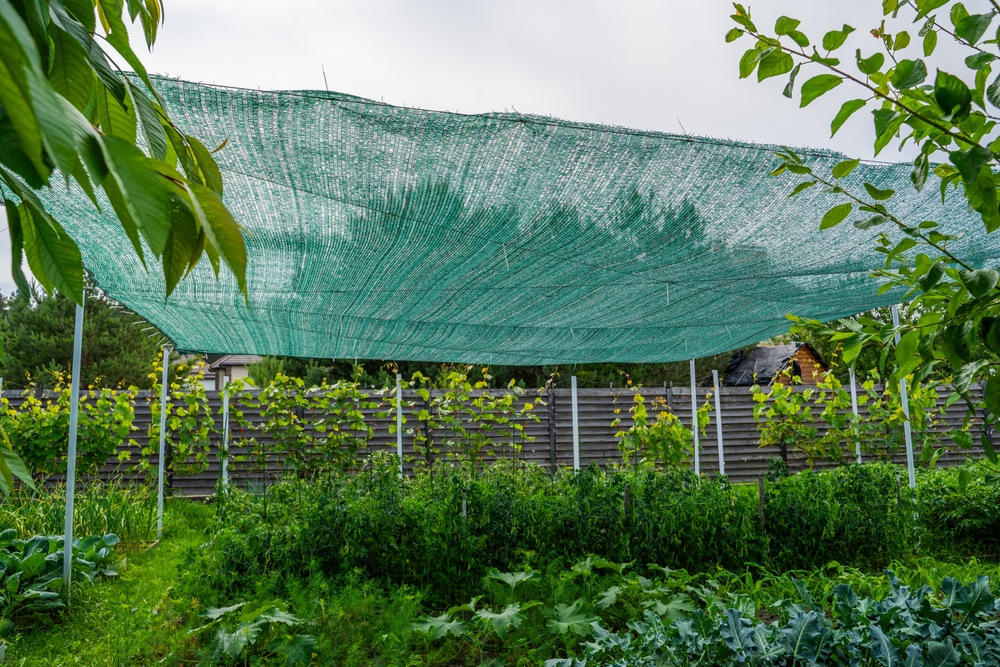
Across neighborhoods, backyards, and even apartment balconies are filling with pots, raised beds, and unexpected patches of greens. Families are planting what many now call “emergency gardens,” not as a hobby trend, but as a practical response to rising food prices and supply chain worries. Grocery bills keep climbing, and even basic produce sometimes feels unpredictable or overpriced. Gardening suddenly looks less like a pastime and more like a smart household strategy. The goal stays simple: put fresh food within arm’s reach when store shelves feel uncertain, or budgets feel tight.
This shift does not come from fear alone, but from a growing desire for control over daily essentials. Families want reliable access to food that does not depend entirely on outside systems. Emergency gardens offer that sense of stability while also providing healthier eating options straight from the soil. Even small harvests can reduce pressure during tough weeks. The movement keeps spreading because it blends practicality with empowerment in a very real, hands-in-the-dirt way.
Why Emergency Gardens Are Spreading Faster Than Expected
Emergency gardens gain attention because they solve multiple problems at once without requiring complicated setups. Families see them as a way to stretch budgets while also preparing for disruptions in food supply chains. Recent years have shown how quickly shortages or price spikes can hit everyday groceries. That reality pushes more people to rethink how they source basic meals. A backyard or balcony garden suddenly feels like a smart backup plan that keeps paying off over time.
The appeal also grows from social influence and shared success stories. Neighbors talk about how many salads or dinners come straight from their own yards. Social media adds momentum by showing simple setups that anyone can copy. People realize they do not need farmland to make an impact, just a few containers or garden beds. This shift makes gardening feel accessible, even for beginners who once thought it required expert skills.
The First Crops Families Choose for Maximum Reliability
Families starting emergency gardens usually focus on crops that grow fast and deliver consistent yields. Lettuce, spinach, radishes, and green beans often top the list because they produce food quickly and do not demand complex care. These plants also regenerate or replant easily, which keeps harvests steady through the season. Tomatoes and peppers often join the mix for flavor and versatility in meals. The goal centers on dependable food, not exotic experimentation.
Root vegetables also earn attention because they store well and provide calorie-rich support. Carrots, potatoes, and onions help fill gaps when grocery trips get delayed or budgets tighten. Many families also add herbs like basil and parsley because they boost flavor without taking much space. Even small herb pots on a windowsill can replace store-bought bundles. This mix of fast-growing greens and storage-friendly crops creates a balanced home food system.
Small Spaces Create Surprisingly Big Harvests
Emergency gardening does not require large yards, and that fact surprises many new growers. Balcony containers, vertical planters, and window boxes all support productive harvests when arranged thoughtfully. Families living in apartments often stack planters or use railing systems to maximize sunlight exposure. Even a few square feet can produce multiple meals per week when planted strategically. This flexibility makes emergency gardening possible in cities, suburbs, and rural homes alike.
Smart spacing also plays a huge role in success. Companion planting helps crops support each other while reducing pests naturally. Fast-growing plants fill gaps left by slower growers, keeping soil active and productive. Many gardeners rotate crops throughout the season to maintain steady output. These simple techniques turn small areas into efficient food-producing systems without requiring advanced tools.
How Emergency Gardens Cut Grocery Costs and Boost Security
Food budgets continue to strain many households, and emergency gardens offer a practical way to offset that pressure. Even a modest harvest of greens and vegetables reduces weekly grocery spending. Over time, those savings add up, especially for families that cook at home regularly. Fresh produce from the garden also reduces waste because people pick only what they need. This direct access helps stretch meals further without sacrificing nutrition.
Security plays a major role as well, especially when prices fluctuate or supply chains tighten. Families gain confidence knowing they can produce at least part of their own food. That confidence reduces stress during uncertain times. Gardening also encourages smarter meal planning since ingredients come directly from available harvests. The combination of savings and stability keeps more households committed to maintaining their emergency plots year-round.
What Actually Makes an Emergency Garden Work Long-Term
Consistency matters more than size when it comes to successful emergency gardens. Regular watering, seasonal planting, and simple soil care keep plants productive over time. Families who treat gardening like a routine rather than a one-time project see the best results. Planning ahead for each season prevents gaps in production. Even a small schedule can turn scattered planting into a reliable food source.
Soil health also plays a major role in long-term success. Composting kitchen scraps adds nutrients back into the system and reduces waste at the same time. Crop rotation prevents soil depletion and keeps yields strong. Pest management stays easier when gardeners act early instead of waiting for damage. These steady habits turn an emergency garden into a dependable part of household food planning.
What small crop would make the biggest difference in a home garden if food prices kept rising in your area?
You May Also Like…
Why So Many Americans Are Turning Front Yards Into Vegetable Gardens
The 3-Bucket Garden: How to Grow Weeks of Food for Under $10
The Gardening Trend Millennials and Retirees Suddenly Agree On
Why More Homeowners Are Replacing Grass With Food Gardens in 2026
How Much Money Can You Really Save Growing Your Own Food?

Brandon Marcus is a staff writer for FrugalGardening.com at District Media, Inc., where he delivers practical gardening advice with a relatable, no-nonsense style. An avid amateur gardener, he holds a BA degree and with over ten years of professional writing experience, he is also an award-winning published author whose first book, Questions For Deep Thinkers, was released by Adams Media. His work has appeared in major publications including Fandom.com, CHUD.com, TheColdWire.com, and Fansided.com.
Leave a Reply