Front yards and backyards are getting a major glow-up, and it is not coming from high-priced landscaping crews. Homeowners are rethinking everything from thirsty grass lawns to complicated garden beds that demand constant upkeep. A growing trend now focuses on creating beautiful outdoor spaces that cost less, require less maintenance, and still look intentional and stylish.
This shift blends creativity with practicality, making yards feel personal instead of cookie-cutter. The best part is that it does not require a massive renovation or a luxury budget to get started.
Why Traditional Lawns Are Losing Their Shine
Traditional grass lawns once symbolized pride and polish, but they now feel more like a financial drain for many households. Constant mowing, fertilizing, watering, and reseeding quickly add up in both time and money. Many homeowners now question why so much effort goes into something that offers little beyond appearance. Weather changes and water restrictions in many areas also make maintaining lush lawns even more challenging. As a result, people are searching for outdoor designs that look good without demanding constant attention.
This shift does not mean outdoor spaces are becoming boring or neglected. Instead, homeowners are choosing intentional designs that replace large turf areas with structured planting beds, pathways, and textured ground cover. These alternatives often look more modern and layered, giving yards a curated feel. Even small changes, such as shrinking the lawn size, can dramatically reduce maintenance. The result is a yard that works with daily life instead of adding more chores to it.
Native Plants Are Taking Over Garden Beds
Native plants have become a standout choice in this new gardening movement because they adapt naturally to local soil and weather conditions. They typically need less watering and fewer chemical treatments, which helps reduce long-term costs. Gardeners also appreciate how these plants attract birds, butterflies, and pollinators, bringing movement and life into outdoor spaces. Instead of fighting against the environment, native gardens work with it in a balanced way. This creates a more relaxed gardening experience that feels less like maintenance and more like observation.
Designing with native plants also opens the door to surprising color and texture combinations. Many assume native landscaping looks wild or unstructured, but thoughtful planning creates layered, visually appealing beds. Taller grasses can frame shorter flowering plants, while shrubs provide year-round structure. Seasonal changes also add variety without extra effort, since plants naturally cycle through bloom and rest periods. Over time, these gardens often become more resilient and self-sustaining.
Gravel Paths And Mulch Gardens Are Replacing High-Maintenance Turf
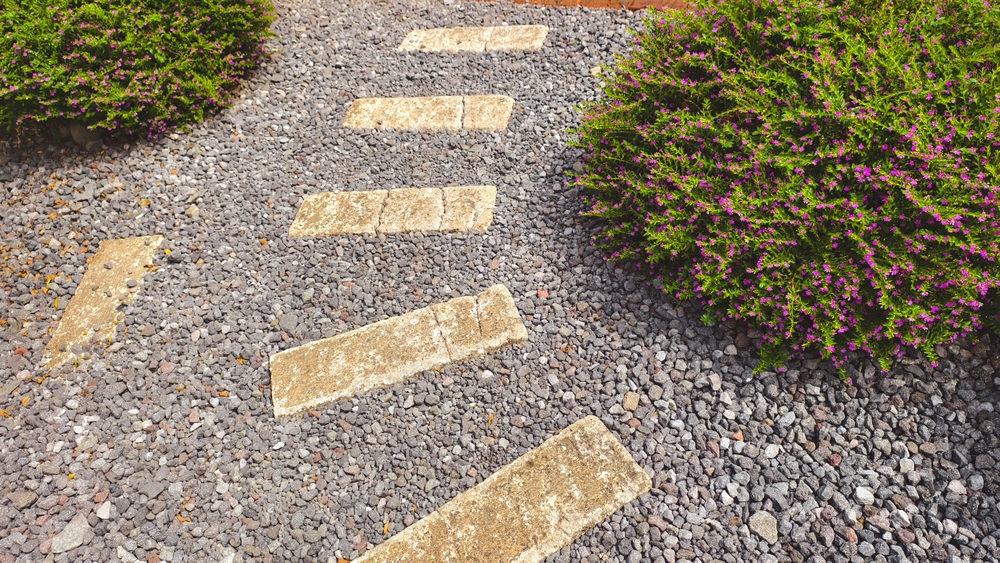
Gravel, mulch, and other ground covers are becoming popular alternatives to traditional grass because they instantly reduce upkeep. These materials prevent weed growth when installed properly and help retain soil moisture around nearby plants. Gravel paths also create clear structure in a yard, guiding movement while adding visual contrast. Mulch beds bring a soft, natural look that pairs well with both modern and rustic designs. Together, they help homeowners cut back on watering schedules and lawn equipment use.
These designs also allow for more creativity in shaping outdoor spaces. Curved pathways, mixed textures, and layered planting zones create a more dynamic look than flat lawns. Many homeowners enjoy how these materials age gracefully, developing character over time instead of needing constant replacement. Even better, gravel and mulch can be installed in stages, making this approach budget-friendly. The overall effect turns the yard into a designed landscape rather than a high-maintenance patch of grass.
Edible Landscaping Blends Beauty With Practicality
Edible landscaping has gained attention because it combines visual appeal with everyday usefulness. Herbs, fruit bushes, and vegetable plants now appear alongside flowers in decorative arrangements. This approach turns gardens into productive spaces without sacrificing aesthetics. Raised beds filled with colorful greens or berry shrubs along borders can look just as polished as ornamental plantings. The added bonus comes from harvesting fresh ingredients right outside the door.
This style of gardening also helps reduce grocery costs over time while encouraging healthier eating habits. Many homeowners enjoy the convenience of picking herbs like basil, rosemary, or mint during meal preparation. Seasonal vegetables also rotate naturally, keeping the garden visually interesting throughout the year. Careful planning ensures that edible plants complement each other in height, color, and growth habits. The result feels both practical and visually rewarding, especially in smaller spaces where every plant must earn its place.
A Smarter Outdoor Space That Saves Money And Effort
This new wave of gardening focuses on creating outdoor spaces that look intentional without demanding constant upkeep. Homeowners now prioritize designs that reduce water use, limit maintenance tasks, and still deliver strong visual impact. Instead of relying on traditional lawns, many yards now blend native plants, gravel paths, and edible elements into cohesive designs. Each choice supports both beauty and practicality, making outdoor living more enjoyable and less stressful. Over time, these changes can also help lower ongoing landscape costs while increasing curb appeal.
What would an ideal low-maintenance yard look like in your space? Let’s chat about it below in our comments section.
You May Also Like…
The Budget Backyard Trend That Makes Homes Feel More Relaxing
Why Raised Garden Beds Are Becoming a Backyard Status Symbol
The Fertilizer Myth That’s Killing Lawns Across the South
Why So Many Gardeners Are Ditching Traditional Lawns in 2026
Why Mushrooms Suddenly Appear in Lawns

Brandon Marcus is a staff writer for FrugalGardening.com at District Media, Inc., where he delivers practical gardening advice with a relatable, no-nonsense style. An avid amateur gardener, he holds a BA degree and with over ten years of professional writing experience, he is also an award-winning published author whose first book, Questions For Deep Thinkers, was released by Adams Media. His work has appeared in major publications including Fandom.com, CHUD.com, TheColdWire.com, and Fansided.com.
Leave a Reply