A thriving garden does not always begin with a seed packet or a trip to the garden center. Some of the most satisfying plants start with nothing more than scraps from the kitchen and a little curiosity. A carrot top left on the cutting board, the stub of a head of lettuce, or a sprouting potato in the pantry already carries everything needed to start growing again.
Anyone who enjoys fresh herbs, leafy greens, or homegrown vegetables can turn those leftovers into an indoor garden without spending a single cent. A sunny windowsill, a few jars, and a bit of patience create the perfect starting point for surprisingly productive plants.
The Magic Hiding in Kitchen Scraps
Many vegetables already hold the power to grow again after harvest. Grocery store produce often contains living tissue that continues to grow when placed in the right conditions. Instead of tossing the ends of vegetables into the trash, gardeners can give those scraps a second life.
Lettuce, celery, and green onions lead the pack when it comes to easy regrowth. Their bases still contain active growing points, and those points quickly produce fresh leaves when placed in shallow water. The process feels almost like a science experiment, yet the results provide real food within days.
Sunlight plays a major role in success. A bright windowsill delivers enough light to encourage steady growth, especially during late winter and early spring when daylight gradually increases. Clean water and simple containers such as jars or bowls complete the setup. Gardeners should change the water every few days to keep it fresh and prevent rot. Once roots grow stronger, the plant can move into soil for continued growth. That simple step turns kitchen leftovers into a lasting indoor harvest.
Green Onions: The Fastest Comeback in the Kitchen
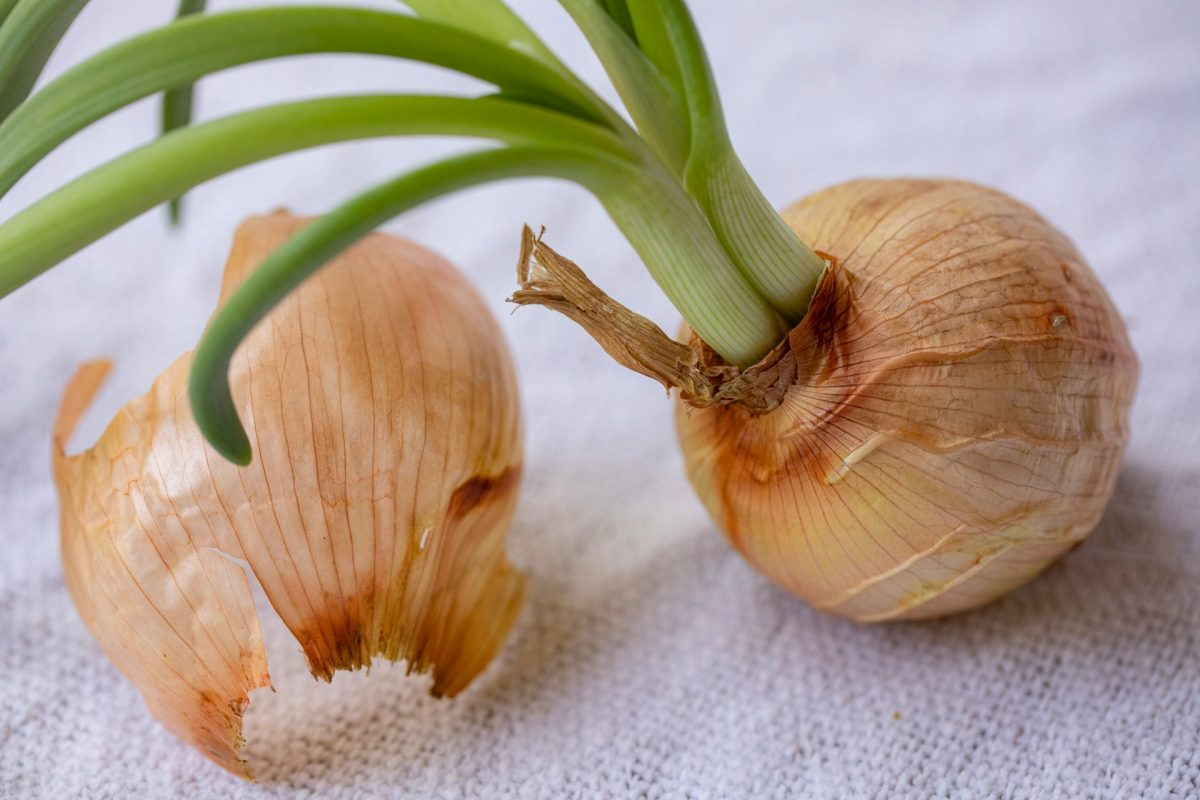
Green onions offer one of the easiest and most reliable regrowth tricks in the gardening world. After slicing the tops for cooking, the small white bulb and root section still contains plenty of energy. That small base grows new green shoots with remarkable speed. Place the bulb in a small glass with enough water to cover the roots but not the entire stem. Within a few days, fresh green leaves shoot upward and reach several inches tall. The plant continues producing new growth again and again as long as the roots stay healthy.
A sunny windowsill improves the flavor and color of the new shoots. Fresh water every couple of days keeps the plant vigorous and prevents odor or bacteria from forming. Many gardeners move the onion into soil after a week or two to encourage stronger growth.
Regular trimming keeps the plant productive. Snip the greens as needed and leave the base intact. That simple routine often delivers several rounds of fresh onion greens without spending a single dollar.
Lettuce That Refuses to Quit
The base of a head of lettuce might look like nothing more than a leftover stump, but that small core still holds active growing tissue. With a bit of water and sunlight, the center pushes out tender new leaves within days. Set the lettuce base in a shallow dish with about half an inch of water. The cut side should face upward while the base touches the water. Within three or four days, small leaves begin forming in the center.
Those leaves will not recreate a full grocery store head, but they produce plenty of tender greens for sandwiches or salads. The regrown leaves often taste surprisingly fresh and mild. Gardeners who want longer growth can transplant the base into soil after roots begin forming along the bottom. Soil encourages stronger leaf development and helps the plant continue growing for several weeks.
Basil and Mint: Herbs That Love a Second Chance
Herbs bring enormous flavor to meals, yet grocery store herb bundles often wilt long before the entire bunch gets used. A simple cutting solves that problem and creates an endless supply of fresh herbs. Basil stems root easily in water. Choose a healthy stem about four to six inches long and remove the leaves from the lower section. Place the stem in a glass of water and keep it near bright light.
Tiny roots appear along the stem within a week or two. Once those roots grow a few inches long, the cutting thrives in a pot of soil. With enough light and occasional trimming, the plant continues producing fragrant leaves for months.
Mint behaves in a similar way and often roots even faster. A single sprig placed in water quickly develops a thick cluster of roots. Gardeners should eventually move mint into a container of soil since the plant grows aggressively and appreciates room to spread.
Potatoes and Sweet Potatoes: Pantry Surprises
A potato with small sprouts already signals the beginning of new life. Those sprouts, often called “eyes,” grow into full plants when planted in soil. Cut the potato into chunks that contain at least one eye each. Let the cut pieces dry for a day so the surface toughens slightly. That step reduces the chance of rot once the pieces enter soil.
Plant the chunks in a container with several inches of soil and keep the pot in bright light. Green shoots emerge within a couple of weeks and gradually form a leafy plant. Sweet potatoes follow a slightly different process but offer equal excitement. Place a whole sweet potato in a jar with the bottom half submerged in water. After several weeks, long vines known as slips grow from the top. Each slip can grow roots and form a new plant when transferred into soil.
Garlic and Ginger: Flavor That Keeps Growing
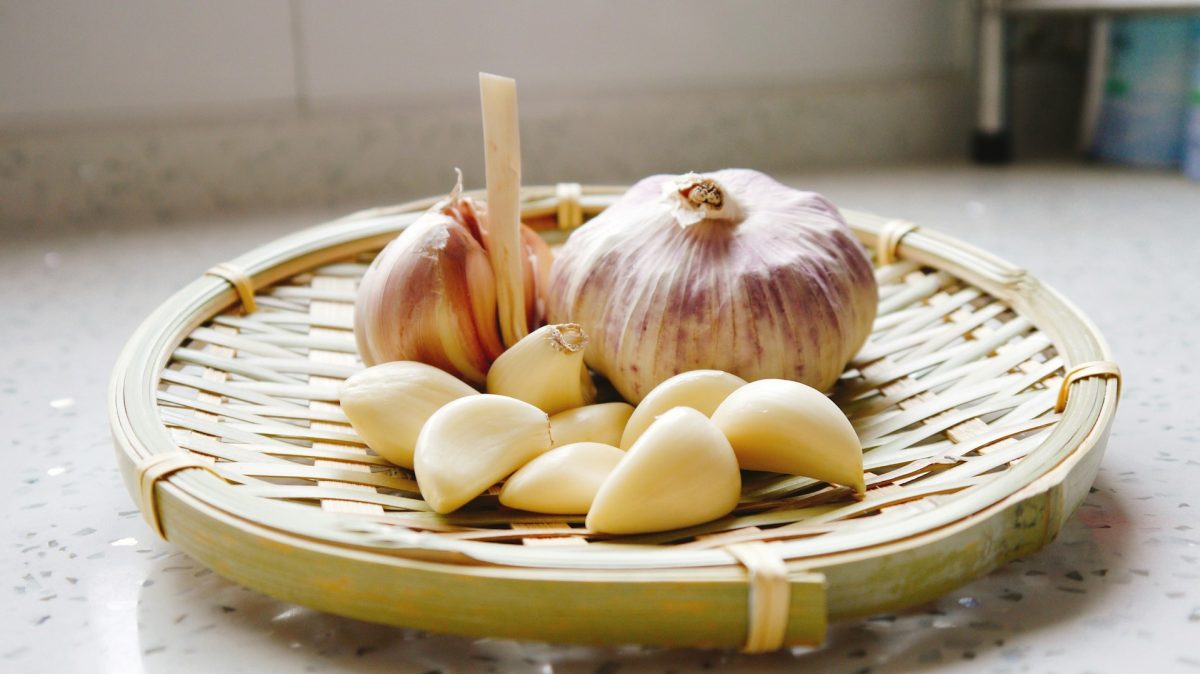
Garlic cloves sometimes sprout inside the pantry, sending a green shoot out of the tip. That sprout offers the perfect chance to grow fresh garlic greens indoors. Plant the clove in a small pot with the pointed end facing upward. The green shoot quickly grows taller and produces flavorful leaves that resemble chives. Snipping those greens adds mild garlic flavor to eggs, soups, and stir-fries.
Ginger also produces new growth when placed in warm soil. Choose a fresh piece with visible buds, which look like small nubs along the surface. Plant the root just beneath the soil and keep it warm and lightly moist. New shoots rise from the soil after several weeks. The plant develops attractive leafy stems, and the underground root slowly expands. Even a small indoor container can produce fresh ginger for cooking later on.
Tomato and Pepper Seeds Hiding in Plain Sight
Fresh tomatoes and peppers often contain perfectly viable seeds. Instead of discarding those seeds, gardeners can rinse and dry them before planting. Fill a small pot with seed-starting soil and lightly press the seeds into the surface. A thin layer of soil over the top helps maintain moisture. Warmth and consistent light encourage steady germination.
Seedlings appear within one to two weeks for most varieties. Each tiny plant gradually develops stronger leaves and stems as it grows. Indoor starts often produce healthier outdoor plants later in the season. Even gardeners without outdoor space can keep smaller pepper varieties growing in containers near a sunny window. Those plants sometimes produce compact harvests indoors when given enough light.
The Windowsill Garden That Starts With Almost Nothing
A thriving indoor garden does not require a large investment, complicated equipment, or years of experience. Kitchen scraps, pantry leftovers, and a sunny window already provide everything needed to start growing fresh food.
Anyone who enjoys fresh ingredients can experiment with these simple regrowth tricks and discover how much life hides inside everyday produce. A handful of jars, a little sunlight, and some patience create a surprisingly productive indoor garden.
Which kitchen scrap would make the most interesting plant on your windowsill? Hop into our comments section to discuss.
You May Also Like…
Experts Say These Indoor Greenhouses Are Failing Seedlings in Cold Snaps
The Indoor Gardening Setup Texans Love That Experts Say Is Wasting Your Money
12 Bulbs You Can Force Indoors for Blooms Before Valentine’s Day
Why More Gardeners Are Growing Rare Plants Indoors

Brandon Marcus is a staff writer for FrugalGardening.com at District Media, Inc., where he delivers practical gardening advice with a relatable, no-nonsense style. An avid amateur gardener, he holds a BA degree and with over ten years of professional writing experience, he is also an award-winning published author whose first book, Questions For Deep Thinkers, was released by Adams Media. His work has appeared in major publications including Fandom.com, CHUD.com, TheColdWire.com, and Fansided.com.
Leave a Reply