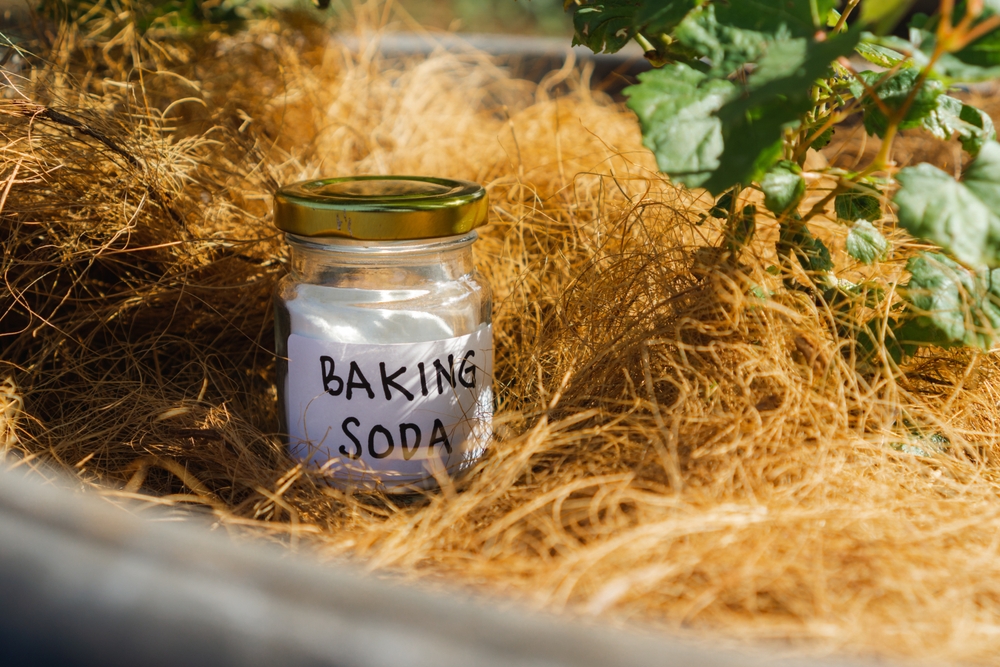
Gardeners chase that perfect tomato flavor all season long—rich, juicy, and just sweet enough to make every bite unforgettable. The surprising twist? A simple pantry staple often holds the key to unlocking that sweetness without expensive fertilizers or complicated techniques. Baking soda, humble and inexpensive, has sparked plenty of buzz among backyard growers for its ability to influence tomato taste.
The trick doesn’t rely on magic—it leans on basic soil chemistry and smart gardening habits. With the right approach, this small tweak can transform an average harvest into something worth bragging about.
Why Tomato Sweetness Depends on Soil Chemistry
Tomatoes develop their flavor based on a delicate balance between sugar and acidity, and soil conditions directly influence that balance. Garden soil with high acidity tends to produce tomatoes with a sharper, more tangy flavor profile. Baking soda works by slightly reducing soil acidity, which can shift the fruit’s taste toward sweetness.
This adjustment doesn’t change the plant itself but alters the environment where it grows. A controlled change in pH helps the plant produce fruit that tastes noticeably less acidic and more balanced.
How Baking Soda Works Its Magic
Baking soda, also known as sodium bicarbonate, acts as a natural alkaline substance that counteracts acidic soil conditions. When sprinkled lightly around tomato plants, it raises the pH level just enough to impact flavor without harming the plant. The key lies in moderation, as too much baking soda can disrupt nutrient absorption and stress the plant. Gardeners who use this trick effectively apply only a small amount directly to the soil surface. This subtle adjustment creates a growing environment where tomatoes develop a smoother, sweeter taste.
The Right Way to Apply Baking Soda
Successful gardeners treat baking soda like a seasoning rather than a fertilizer, using it sparingly and strategically. A light sprinkle around the base of each plant, about once every few weeks, delivers the best results. Direct contact with the plant’s leaves or stems should always be avoided to prevent damage. Watering the soil after application helps distribute the baking soda evenly into the root zone. Consistency matters more than quantity, and small, repeated applications outperform heavy, one-time use.
Common Mistakes That Can Ruin Your Crop
Many gardeners jump into the baking soda method with too much enthusiasm and end up harming their plants. Overapplication stands as the most common mistake, leading to overly alkaline soil that blocks essential nutrients like calcium and magnesium. Some gardeners also expect instant results, but flavor improvements develop gradually as the plant matures. Ignoring soil testing creates another problem, since not all gardens actually need pH adjustment. Smart growers test their soil first and treat baking soda as a fine-tuning tool rather than a cure-all solution.
Extra Tips for Maximizing Tomato Sweetness
Baking soda alone won’t guarantee perfect tomatoes, so combining it with good gardening practices makes a huge difference. Consistent watering prevents stress, which can lead to bland or bitter fruit. Full sunlight exposure ensures the plant produces enough sugars during photosynthesis.
Proper spacing between plants improves airflow and reduces disease risk, keeping fruit quality high. Choosing naturally sweet tomato varieties also boosts results, creating a strong foundation that baking soda can enhance.

Getting Flavor Just Right
Great tomatoes don’t happen by accident—they come from thoughtful adjustments and attention to detail throughout the growing season. Baking soda offers a simple, budget-friendly way to influence flavor, but it works best as part of a bigger strategy. Soil health, sunlight, and watering habits all play equally important roles in developing that crave-worthy sweetness. Gardeners who approach the process with patience and precision often see the biggest payoff at harvest time. With the right balance, every tomato picked can deliver that perfect blend of sweetness and freshness.
Have you ever tried using baking soda in your garden, or do you have another trick for sweeter tomatoes? Give us your experience in the comments.
You May Also Like…
The “Trash” Fertilizer: 5 Household Waste Items Your Tomatoes Crave
Cheap Support Ideas for Vining Plants Like Tomatoes and Beans
How to Grow Tomatoes Successfully Without Buying Store Transplants
This Backyard Weed Is Hosting a Virus That’s Killing Tomato Plants
The Frost-Proof Secret: Protecting Your $2 Plants from a Random Cold Snap

Brandon Marcus is a staff writer for FrugalGardening.com at District Media, Inc., where he delivers practical gardening advice with a relatable, no-nonsense style. An avid amateur gardener, he holds a BA degree and with over ten years of professional writing experience, he is also an award-winning published author whose first book, Questions For Deep Thinkers, was released by Adams Media. His work has appeared in major publications including Fandom.com, CHUD.com, TheColdWire.com, and Fansided.com.
Leave a Reply