Winter’s chill has settled in, and many gardeners grab their shears thinking, “Time to tame the garden!” But hold up—January pruning isn’t always your friend. Some plants are still in their dormancy, quietly conserving energy for the explosive growth of spring. Cutting them now could shock them, stunt their growth, or even invite disease. Gardening is all about timing, and understanding which plants need a little patience can save you a world of heartbreak.
So before you hack away at branches in the cold, read on. These ten plants are the ultimate January no-go zone for pruners who care about keeping their gardens alive and thriving.
1. Forsythia
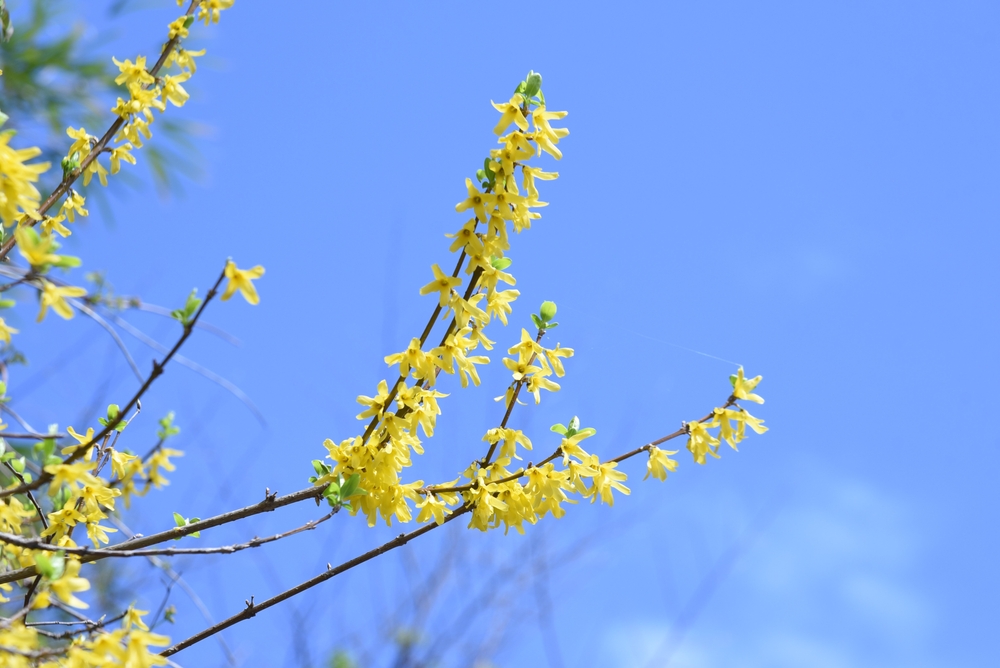
Forsythia is famous for its bold yellow blooms that pop in early spring, but if you prune it in January, you’re essentially cutting off next season’s flowers. These shrubs start forming buds in late fall, so any winter pruning risks removing all that beautiful potential. Not only do you lose blooms, but excessive winter pruning can stress the plant, slowing its overall growth.
The branches also tend to be brittle in the cold, which makes them prone to breakage. Wait until after it flowers, and you’ll get the perfect, arching shape without sacrificing a single bloom. Think of it as letting the plant sleep through January so it can dazzle you later.
2. Lilac
Lilacs are the queens of spring fragrance, but trimming them in the dead of winter is a serious no-no. These hardy shrubs develop their flower buds on old wood, which means cutting now could erase the next season’s blossoms entirely. Winter pruning also invites frost damage to fresh cuts and can leave the plant more vulnerable to disease. Instead, prune immediately after the flowers fade in spring to encourage strong growth and abundant blooms. Your nose will thank you when the fragrance fills the air. Patience is truly the key to thriving lilacs.
3. Maple Trees
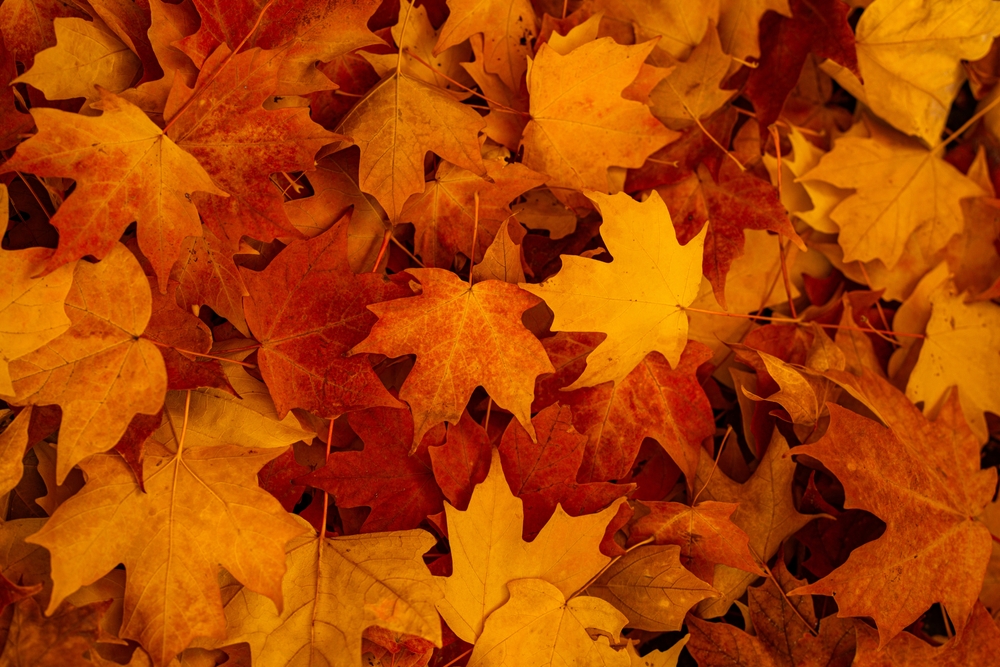
Maple trees may look sturdy, but January pruning can be disastrous. Sap begins flowing as the days gradually warm, and cuts made too early can lead to sap bleeding and open wounds that invite pests and pathogens. Maple wood is particularly sensitive to freezing temperatures, which can cause branches to split or die back. Waiting until late winter or early spring, when buds are just beginning to swell, ensures the tree’s health and structural integrity. Besides, a healthy maple will reward your patience with a canopy that’s as stunning as a living sunset in autumn. Winter is a watch-and-wait season for these giants.
4. Hydrangeas
Hydrangeas have a notorious reputation among gardeners for being fussy, and January pruning is part of the problem. Many hydrangea varieties bloom on old wood, so snipping now can erase the entire season’s flower show. Winter cuts also risk cold injury to tender stems, which may die back before spring. Hydrangeas are happiest with a careful, timely pruning after the last frost but before new growth begins. Leaving them unpruned through January protects both their blooms and their overall health. When spring arrives, these shrubs explode with color and vitality, rewarding your patience.
5. Roses
Roses might be the darlings of the garden, but winter pruning can backfire. While light trimming is sometimes tolerated, major pruning in January exposes stems to freezing temperatures, which can lead to dieback or fungal infections. Roses respond best to pruning just before active growth begins, typically in late winter or early spring, depending on your climate. Cutting too soon can also reduce flowering and weaken the plant’s overall structure. Think of your roses as delicate artists in hibernation—they’re sketching their blooms in secret and will need a careful hand at the right moment to shine.
6. Apple Trees
Fruit trees like apple trees require precision timing for pruning, and January is often too early. Heavy pruning during deep winter can remove energy reserves that the tree needs for spring bud development. Cuts made in freezing conditions are also more susceptible to splitting or rot. Experts recommend waiting until late winter, when you can see the branch structure clearly and the risk of extreme cold has passed. Proper pruning sets the stage for a bountiful harvest and keeps trees strong for decades. A little patience now means more crisp, juicy apples later.
7. Clematis
Clematis vines are showstoppers, but January is no month to trim them. Many clematis species flower on old wood, meaning early pruning can destroy an entire season’s blooms. Cold cuts can also damage stems, leading to stunted growth or even plant death. Wait until early spring or after flowering for each variety’s recommended pruning schedule. Clematis that are pruned at the wrong time may survive but will be far less spectacular than their patient counterparts. Give these vines a break, and they’ll reward your restraint with a tangle of vibrant flowers climbing to the sky.
8. Wisteria
Wisteria is famous for its cascading purple blooms, but winter pruning can be a disaster. January cuts risk frost damage and can slow the vine’s energy accumulation. Wisteria requires strategic pruning to shape it and encourage flowers, and timing is everything. Proper pruning happens after flowering or in late winter, just before new growth begins. Cutting too early leaves the plant vulnerable and reduces the dramatic floral display that makes wisteria a showpiece. Let it hibernate for January; it’s saving all that energy for a spectacular spring performance.
9. Azaleas
Azaleas thrive on careful timing, and January pruning is a no-go. These shrubs set buds for spring flowers in late summer or fall, so trimming now can mean cutting off next season’s blossoms. The cold can also stress freshly pruned branches, making them susceptible to disease. Prune immediately after flowering to maintain shape and encourage strong growth. Winter is their rest period, not a time for haircuts. A little patience ensures an explosion of color when temperatures rise.
10. Dogwoods
Dogwoods are resilient, but even they have limits. Pruning in January exposes tender buds to frost and can lead to structural issues or disease. Dogwoods benefit from late winter or early spring pruning when you can safely remove dead or crowded branches without harming the developing buds. Cutting too soon disrupts the tree’s natural cycle and can compromise flowering. Healthy, well-timed pruning ensures vibrant blossoms and strong, elegant branches. Treat them carefully, and your garden’s dogwoods will be a showpiece come spring.
Tell Us Your Winter Gardening Tales
Gardening is part strategy, part patience, and part celebration of timing. Knowing when to step back can be just as important as knowing when to trim. These ten plants are proof that a little winter restraint leads to spectacular spring results.
Have you ever accidentally pruned at the wrong time? Or waited patiently and been rewarded with an amazing bloom? We’d love to hear your winter gardening tales in the comments below—let’s swap stories and tips to help our gardens thrive together.
You May Also Like…
Why January Is Ideal for Planning Companion Planting
Why January Is the Best Time to Prevent Garden Insect Infestations
6 Gorgeous Flowers You Can Grow In Winter
Why Pests Overwinter in Untended Garden Beds
Here Are The 5 Most Aggressive Weeds During Winter

Brandon Marcus is a staff writer for FrugalGardening.com at District Media, Inc., where he delivers practical gardening advice with a relatable, no-nonsense style. An avid amateur gardener, he holds a BA degree and with over ten years of professional writing experience, he is also an award-winning published author whose first book, Questions For Deep Thinkers, was released by Adams Media. His work has appeared in major publications including Fandom.com, CHUD.com, TheColdWire.com, and Fansided.com.
Leave a Reply