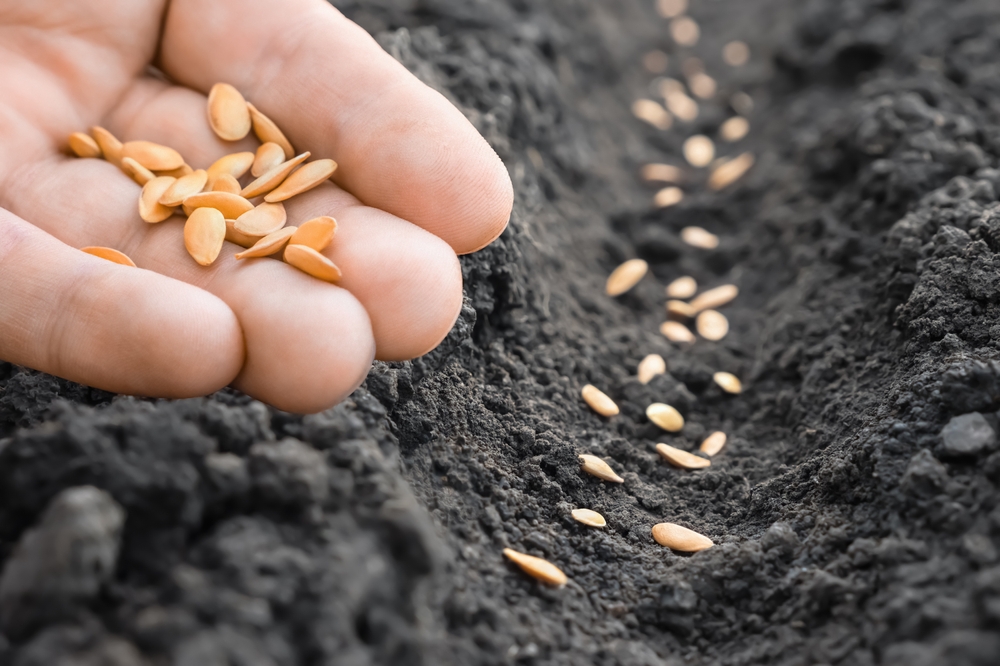
Freshly sown seeds have a surprisingly difficult job. They need moisture, good contact with the soil, and protection from the kind of downpour that can turn a carefully prepared seedbed into a tiny muddy landslide. A loose piece of burlap can help with all three, making it a useful trick when the weather, soil, or local birds seem determined to make seed-starting harder than it needs to be.
The important word here is “loose.” Burlap should not become a heavy blanket smothering the bed, and gardeners should not leave it sitting there indefinitely. Used correctly, the coarse fabric slows moisture loss, helps keep seeds in place, and can reduce soil disturbance from watering or rain. Used carelessly, it can interfere with emerging seedlings and create a damp little hideout for problems nobody invited to the garden.
Burlap Can Give Seeds a Gentle Head Start
Burlap works particularly well when freshly planted seeds sit near the soil surface and need consistent moisture while they germinate. Penn State Extension specifically recommends burlap or loose-mesh cloth over seedbeds when gardeners cannot provide frequent light watering, because the cover can slow evaporation and help prevent rain from washing seeds away. The fabric also helps keep the soil in contact with the seeds, which matters because a seed needs that close connection with moist soil before germination can proceed properly. Think of burlap as a protective screen, not a second layer of soil. It creates a little buffer between fragile seeds and the weather without completely sealing the bed.
That can prove especially handy on a sloped bed or a freshly prepared patch where a strong rainstorm could scatter seeds before they get a chance to settle in. Burlap can also help reduce crusting, which occurs when the soil surface dries and hardens enough to make emergence difficult. Gardeners still need to water gently, preferably with a fine spray that does not blast the seed around underneath the fabric. The cover cannot compensate for poor seed depth, compacted soil, or a bed that swings from bone dry to swampy. Good seed preparation still does most of the heavy lifting, while burlap simply makes the early days a little less precarious.
Not Every Seed Needs a Burlap Blanket
Burlap makes the most sense when the seedbed faces a specific problem, such as rapid surface drying, erosion, heavy rain, or birds looking for an easy snack. It does not automatically improve germination simply because a gardener puts fabric over the soil. Some seeds also need light to germinate, while others require darkness, so the seed packet’s planting instructions should determine how the gardener covers them. A gardener should also avoid pressing burlap tightly against the soil because the goal involves protection and moisture moderation, not compression. A little air space and a loose fit give emerging seedlings a better chance to push upward without fighting their way through a textile obstacle course.
The same caution applies to very small seeds that require especially shallow planting. A gardener should sow those seeds at the recommended depth first, water them gently, then place the burlap loosely over the area rather than trying to use the fabric as a substitute for soil. Secure the edges with garden staples, small stones, or other anchors so wind cannot turn the burlap into a backyard kite. Check underneath the fabric regularly, particularly when temperatures rise and germination approaches. The moment seedlings begin appearing, the cover needs to come off promptly so the young plants receive adequate light and do not become stretched or damaged. Penn State Extension also warns that gardeners should remove covers as germination begins because late removal can cause problems for emerging plants.
The Timing Matters More Than the Fabric
The biggest burlap mistake involves forgetting that seeds eventually become seedlings. A cover that helps a seed today can become an obstacle tomorrow, especially once tiny stems begin reaching upward toward the light. Penn State Extension recommends removing covers promptly as germination begins, while lawn-establishment guidance also notes that burlap and other mats should come off soon after germination to reduce disease risk and allow light to reach seedlings. This makes regular inspection essential, because germination does not wait politely for a gardener’s schedule. A quick peek beneath the fabric can prevent a helpful trick from turning into an accidental plant trap.
Temperature and moisture also influence how quickly a seedbed changes. A bed that looks completely bare one morning can show tiny green hooks a short time later, especially when soil conditions favor rapid germination. Once those seedlings emerge, switch from protecting the seeds to caring for the plants by keeping the soil appropriately moist and giving the seedlings sufficient light. Avoid letting the burlap remain simply because it still looks tidy or because removing it feels like abandoning the protection that worked so well. The goal involves helping seeds cross the vulnerable gap between planting and emergence, not keeping young plants under cover for as long as possible.
Give the Seedbed Protection, Then Let It Go
For gardeners wondering whether to cover freshly sown seeds with burlap, the answer comes down to conditions rather than a blanket yes or no. Burlap can serve as a useful temporary cover when seeds face drying, erosion, washing from rain, or disturbance from birds. It works best when gardeners secure it loosely, continue gentle watering, and monitor the bed instead of treating the fabric as a set-it-and-forget-it solution. A gardener should also check whether the particular seeds need light or darkness for germination before adding any covering. That small bit of planning can prevent a well-intentioned layer of burlap from working against the planting instructions.
The best seed-starting tricks often involve surprisingly little drama. Prepare the soil properly, sow at the correct depth, keep the seedbed consistently moist, and use burlap when conditions make that extra protection useful. Then watch closely for the first signs of green and remove the fabric before it starts interfering with the seedlings. Germination marks the moment when the job changes, and the young plants suddenly need light more than they need a protective roof. Burlap can give freshly planted seeds a safer beginning, but knowing when to step aside makes the trick work.
Would you use burlap over freshly sown seeds, or do you prefer another method for protecting your seedbeds?
You May Also Like…
Why Are More Gardeners Designing Around Evening Use?
Is Your Garden Ready for Shorter Days and Longer Nights?
Why Are Gardeners Growing Skirret and Other Forgotten Edibles?
It’s Not Too Late! Start Sweet Potatoes and Pumpkins Now With Money-Saving Tips
9 Gardening Tricks That Can Stretch a Small Budget Further

Brandon Marcus is a staff writer for FrugalGardening.com at District Media, Inc., where he delivers practical gardening advice with a relatable, no-nonsense style. An avid amateur gardener, he holds a BA degree and with over ten years of professional writing experience, he is also an award-winning published author whose first book, Questions For Deep Thinkers, was released by Adams Media. His work has appeared in major publications including Fandom.com, CHUD.com, TheColdWire.com, and Fansided.com.
Leave a Reply