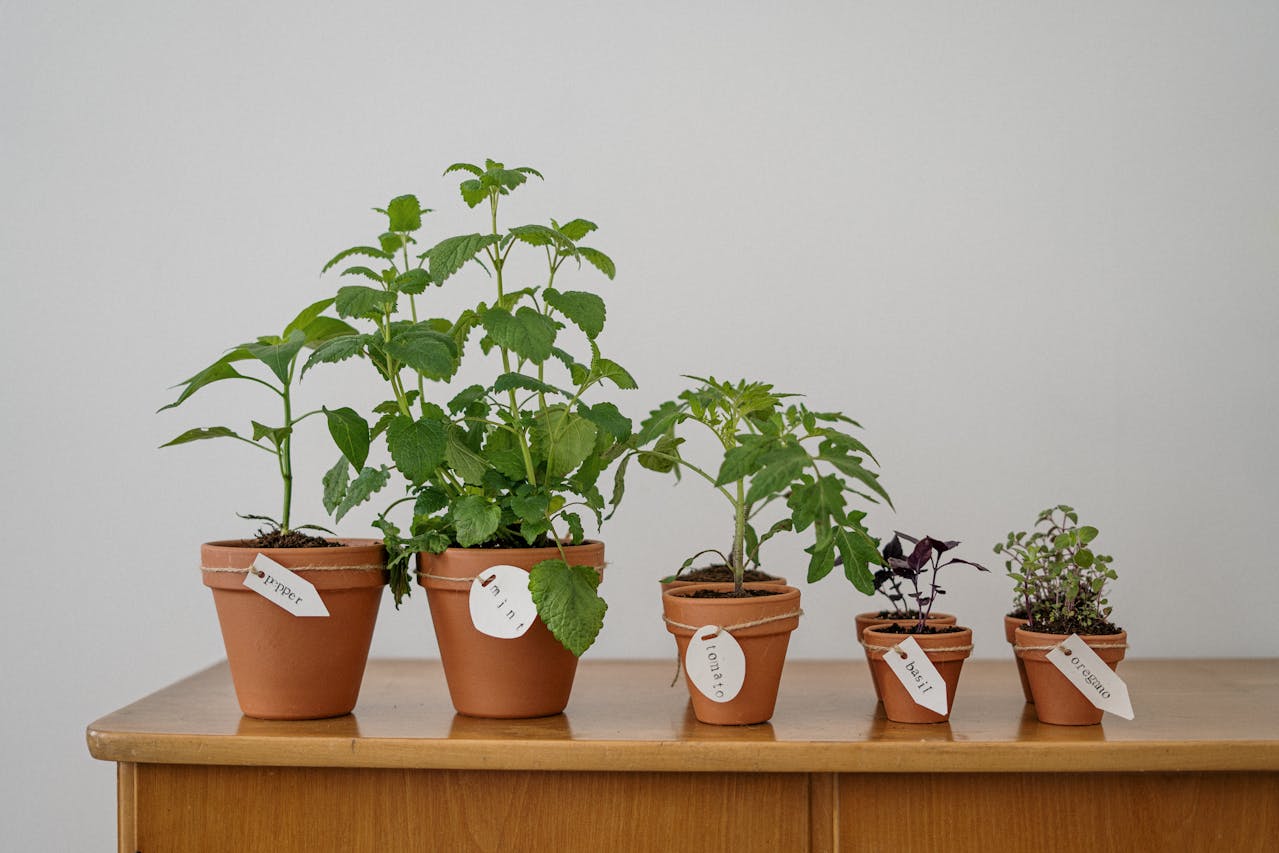
A patio doesn’t need square footage to make a big impression. A few smart choices can turn even the tiniest outdoor corner into a thriving herb haven that smells incredible and actually saves money on groceries. Fresh basil, mint, and rosemary don’t demand sprawling backyard space, and they definitely don’t care about lease agreements or strict landlords. They just need sunlight, a little attention, and a setup that makes sense for the space available.
Small-space gardening doesn’t mean settling for boring or basic. It opens the door to creative setups that feel personal, flexible, and surprisingly stylish, especially when every inch counts and every pot plays a role. The best part comes from how easy these ideas adapt, whether the setup lives on a narrow balcony, a shared patio, or even a fire escape with rules to follow.
1. Vertical Gardens That Climb Instead of Sprawl
Walls deserve attention, especially when floor space feels tight and precious. Vertical herb gardens take advantage of unused vertical real estate and turn plain walls or railings into lush, green displays packed with flavor. Hanging planters, wall-mounted pockets, or even repurposed shoe organizers create instant structure without taking up valuable ground space. Herbs like thyme, oregano, and parsley thrive in these setups because they don’t need deep soil and adapt well to compact containers.
A vertical garden also keeps things tidy and organized, which matters in smaller outdoor spaces where clutter builds quickly. Grouping herbs together on a vertical system makes watering easier and keeps everything within reach while cooking. Sunlight plays a key role here, so placing the setup on a south- or west-facing wall helps herbs soak up enough light throughout the day. Lightweight materials work best for renters since they avoid damage and allow quick removal when needed.
This approach also adds a strong visual punch, turning a bland patio into something that looks curated and intentional. A mix of greenery at different heights creates depth and movement, which makes the space feel larger than it actually is. Simple upgrades like matching pots or a cohesive color scheme elevate the entire look without adding complexity. A vertical herb garden doesn’t just save space; it completely transforms how that space feels.
2. Rail Planters That Turn Edges Into Edible Gold
Patio railings often sit there doing absolutely nothing, and that feels like a missed opportunity. Rail planters snap or hang right onto those edges and instantly convert them into productive growing zones packed with fresh herbs. Basil, chives, and cilantro love this setup because they get excellent airflow and sunlight exposure without competing for space with furniture or foot traffic. This method keeps herbs elevated and accessible, which makes harvesting quick and satisfying.
Rail planters also create a natural boundary that feels alive and vibrant instead of cold or empty. That line of greenery softens the edges of a patio and adds a sense of privacy without blocking light. Choosing sturdy, weather-resistant planters ensures they stay secure and safe, especially in windy conditions. Many designs include drainage systems that prevent overwatering, which helps keep herbs healthy and thriving.
This idea works especially well for renters because it avoids permanent changes and installs in minutes. It also allows easy rearranging when seasons shift or when experimenting with different herbs. A mix of trailing herbs like thyme and upright growers like basil creates a dynamic look that keeps things visually interesting. Rail planters turn overlooked edges into one of the most productive parts of a small outdoor space.
3. Portable Herb Pots That Move With the Sun
Not every patio gets perfect sunlight all day, and that can frustrate even the most enthusiastic herb gardener. Portable pots solve that problem by giving full control over where herbs live at any given moment. Moving containers throughout the day helps herbs soak up the best light available, especially in spaces where shadows shift constantly. Mint, basil, and dill benefit the most from this flexibility since they rely on consistent sunlight for strong growth.
Lightweight pots with handles or rolling plant stands make the process easy instead of annoying. Grouping herbs on a small cart or tray also keeps everything organized and mobile without turning the patio into chaos. This setup allows quick adjustments during extreme weather, like pulling plants into shade during heat waves or moving them closer to warmth during chilly evenings. Flexibility becomes the biggest advantage here, and it keeps herbs healthier in the long run.
Portable setups also make seasonal transitions smoother, especially when temperatures drop and herbs need indoor shelter. Instead of saying goodbye to a thriving herb garden, the entire setup moves inside near a sunny window. That kind of adaptability keeps the garden alive year-round and stretches its usefulness far beyond one season. Portable pots bring freedom into small-space gardening, and that freedom makes a huge difference.
4. Window Boxes That Double as Flavor Stations
Window boxes don’t just belong under windows. They work beautifully along patio edges, ledges, or even mounted on low walls where space feels limited. These long, narrow containers maximize planting space without overwhelming the area, making them perfect for herbs that grow close together. Parsley, cilantro, and chives thrive in this setup because they share similar watering needs and don’t compete aggressively for space.
A well-planted window box becomes a grab-and-go flavor station that sits just steps away from the kitchen. That convenience encourages frequent use, which keeps herbs trimmed and productive instead of overgrown and neglected. Good drainage remains essential, so choosing boxes with proper holes or adding a drainage layer keeps roots healthy and prevents soggy soil. Consistent watering and occasional feeding with a balanced fertilizer support steady growth.
Window boxes also bring a polished, intentional look to a patio that might otherwise feel unfinished. A row of lush herbs adds structure and symmetry while still feeling relaxed and natural. Mixing textures and shades of green keeps the display visually engaging without requiring extra effort. This idea combines practicality with style, which makes it a reliable favorite for small-space gardening.
5. Hanging Herb Gardens That Float and Flourish
When floor space disappears completely, the ceiling steps in as the next best option. Hanging herb gardens suspend plants in the air, creating a floating display that feels light, airy, and surprisingly productive. Macramé hangers, ceiling hooks, or sturdy overhead beams provide support for small pots filled with herbs like oregano, thyme, and basil. This setup frees up ground space while still delivering a full herb-growing experience.
Hanging herbs also benefit from improved airflow, which helps reduce common issues like mold or pests. Positioning them near light sources ensures they receive enough sun, and rotating them occasionally promotes even growth. Lightweight pots prevent strain on hooks and make adjustments easier when needed. This method keeps herbs visible and accessible without crowding the patio floor.
The visual effect adds charm and movement, especially when plants sway gently in the breeze. A mix of heights creates depth and makes the space feel layered instead of flat. Hanging gardens bring a playful energy that transforms a small patio into something memorable and inviting. They prove that even the smallest spaces can support a thriving, beautiful herb collection.
Small Space With Big Flavor
A small patio doesn’t limit possibilities; it sharpens creativity and rewards smart design choices. Each of these herb garden ideas turns constraints into opportunities, whether that means climbing upward, hanging overhead, or making every inch count along a railing. Fresh herbs bring more than flavor to meals—they add life, color, and a sense of accomplishment that transforms everyday routines. The right setup depends on the space, sunlight, and personal style, but every option here delivers real results without requiring permanent changes.
Which of these ideas would fit best into the space, and what herbs would make that setup feel like a win every single day? Drop those thoughts, ideas, or even wild herb combinations into the comments and keep the inspiration going.
You May Also Like…
How to Grow Fresh Herbs on a Windowsill Without Buying Garden Soil
How to Grow Herbs Without Buying Starters
7 Mistakes That Make Indoor Herbs Weak and Leggy
Grow This Indoors and You’ll Have Fresh Herbs All Winter
7 Cold-Weather Herbs That Taste Better Than Store-Bought

Brandon Marcus is a staff writer for FrugalGardening.com at District Media, Inc., where he delivers practical gardening advice with a relatable, no-nonsense style. An avid amateur gardener, he holds a BA degree and with over ten years of professional writing experience, he is also an award-winning published author whose first book, Questions For Deep Thinkers, was released by Adams Media. His work has appeared in major publications including Fandom.com, CHUD.com, TheColdWire.com, and Fansided.com.
Leave a Reply