
Winter can be brutal on your garden soil. What was once rich, lively earth can turn into a hard, lifeless slab by the time spring arrives. But there’s hope—and it comes in the form of a cover crop that works its magic while you’re tucked inside, sipping cocoa and dreaming of spring blooms.
These crops aren’t just filler; they’re soil superheroes, quietly repairing, feeding, and protecting the ground so your garden can hit the ground running. Understanding how and why this works could change the way you approach winter gardening forever.
Why Winter Leaves Soil Vulnerable
Cold months are hard on soil because microbial activity slows dramatically. Without plant roots pumping nutrients into the ground, the soil structure can collapse, leaving it prone to erosion. Rain and melting snow wash away valuable topsoil, and compaction from wet weather can make spring planting a challenge. Many gardeners think leaving the ground bare is harmless, but dead soil is vulnerable soil. Protecting it over winter isn’t just about aesthetics—it’s about ensuring long-term fertility.
The Power of Cover Crops
Cover crops are plants grown primarily to protect and improve soil rather than for harvest. They act like a living blanket, shielding soil from erosion, wind, and the harsh winter sun. More than just protection, these crops feed the soil by adding organic matter and encouraging microbial life. They also improve soil structure, making it more porous and better at retaining water and nutrients. The best part is that many cover crops are low-maintenance, letting you focus on other winter tasks while they do the heavy lifting underground.
Ryegrass: The Winter Soil Hero
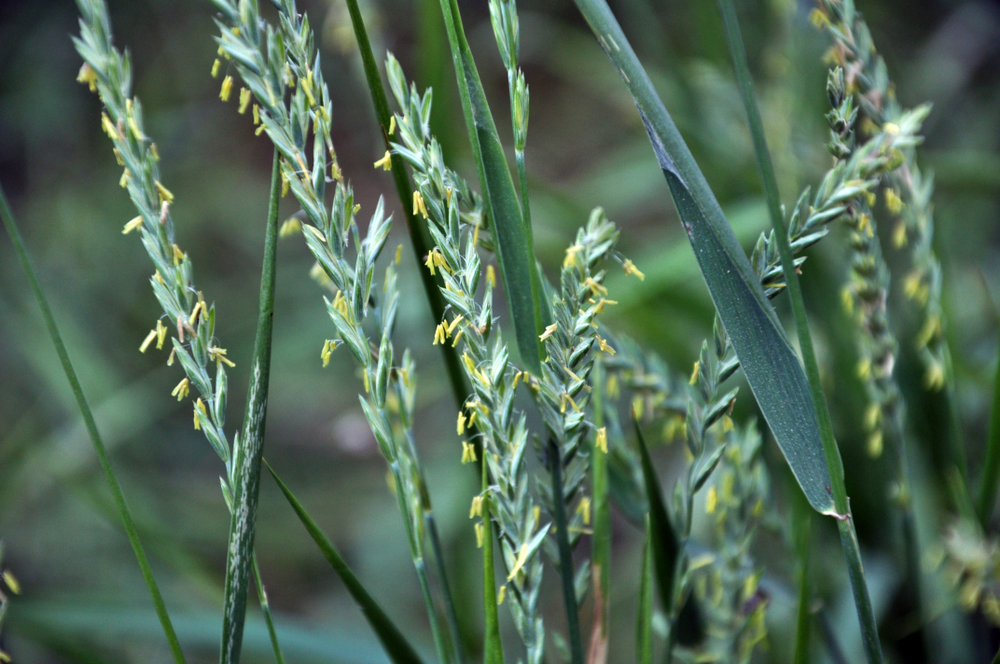
One of the most effective cover crops for winter soil revival is ryegrass. Its fibrous roots penetrate compacted soil, aerating it and reducing the likelihood of erosion. Ryegrass is hardy, tolerating frost and cold temperatures that would kill many other plants. While it grows, it also feeds soil microbes, which break down organic matter and release nutrients. By the time spring arrives, ryegrass has transformed dead, lifeless soil into a fertile, workable bed ready for planting.
How Ryegrass Improves Nutrient Levels
Ryegrass is more than just a root system marvel—it actively improves soil nutrition. Its roots exude compounds that encourage microbial growth, which in turn releases nitrogen and other essential nutrients. This natural fertilization reduces the need for synthetic amendments in the spring. It also scavenges nutrients left behind by previous crops, preventing them from leaching away during winter rains. By the time you’re ready to plant, the soil is not only alive but nutrient-rich, giving your spring seedlings a head start.
Protecting Soil From Erosion And Compaction
One of the biggest threats to bare winter soil is erosion. Heavy rain, melting snow, and wind can strip topsoil in just a few weeks, leaving nothing but dense clay or sand behind. Ryegrass forms a dense mat of roots and leaves that holds soil in place, even during heavy storms. Its growth also reduces the impact of rain hitting the soil directly, lessening the chance of crusting or compacting. By spring, the ground is loose, stable, and ready to support robust plant growth.
How To Plant And Maintain Ryegrass Over Winter
Planting ryegrass is easier than many expect. Sow seeds in late summer or early fall to give them time to establish before the cold sets in. Lightly rake the soil to ensure good seed-to-soil contact and water if conditions are dry. Once established, ryegrass requires little attention, surviving frost and snow while doing its underground work. Come spring, you can mow it down, till it into the soil, or let it decompose naturally to enrich the earth further.
Beyond Ryegrass: Companion Cover Crops
While ryegrass is a superstar, other cover crops can complement or substitute it depending on your climate. Clover, vetch, and winter peas are excellent for fixing nitrogen into the soil. Oats provide similar erosion protection while growing quickly and producing plenty of biomass. Mixing cover crops can create a more resilient soil ecosystem, benefiting both microbes and plants. The key is choosing crops that thrive in your winter conditions and fulfill your specific soil needs.
The Long-Term Benefits Of Cover Cropping
The benefits of cover crops go far beyond a single winter. Over time, they improve soil structure, water retention, and fertility, reducing the need for fertilizers and amendments. They also support biodiversity underground, creating habitats for helpful microorganisms and insects. Gardens with consistent cover cropping cycles are healthier, more productive, and less prone to pests and disease. Essentially, investing in winter soil care pays dividends every growing season.
Revive Your Soil And Your Garden
Winter doesn’t have to mean dead, exhausted soil. With ryegrass or other carefully chosen cover crops, you can protect, nourish, and revitalize your garden while the world outside freezes over. Cover cropping is simple, effective, and surprisingly fun once you see the transformation in spring.
Have you tried cover crops in your garden, or do you have favorite strategies for keeping soil alive over winter? Share your thoughts, stories, or tips in the comments section below.
You May Also Like…
How Cover Crops Boost Spring Yields
7 Cover Crops Every Garden Needs This Season
Your Raised Beds Need This One Winter Trick Before the Ground Freezes
11 Tips for Saving Seeds Before Winter
How Cover Crops Boost Spring Yields

Brandon Marcus is a staff writer for FrugalGardening.com at District Media, Inc., where he delivers practical gardening advice with a relatable, no-nonsense style. An avid amateur gardener, he holds a BA degree and with over ten years of professional writing experience, he is also an award-winning published author whose first book, Questions For Deep Thinkers, was released by Adams Media. His work has appeared in major publications including Fandom.com, CHUD.com, TheColdWire.com, and Fansided.com.
Leave a Reply