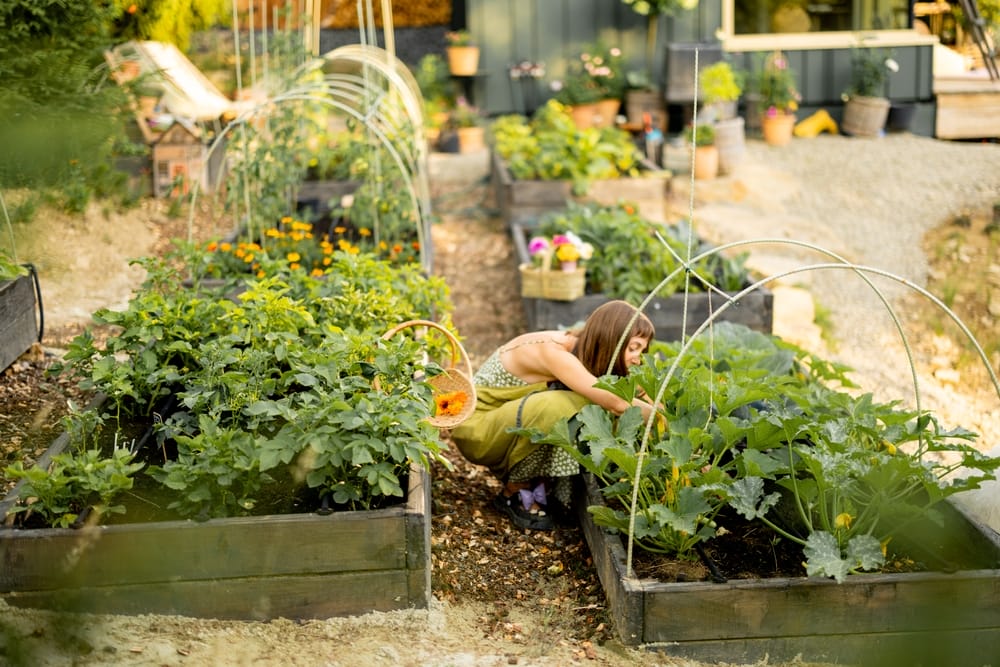
Most gardeners are busy wrapping up summer blooms or raking leaves during the fall season, but savvy plant lovers know that this season holds a secret power: it’s the perfect time to prepare next year’s beds.
Fall isn’t just about ending the season gracefully; it’s about setting yourself up for a spectacular spring. By starting your preparations now, you give your soil, your plants, and your gardening self a huge head start. If you love flowers, vegetables, or just the satisfaction of a thriving garden, there’s no better time to plan ahead.
Understanding The Importance Of Soil Preparation
The foundation of any great garden is soil, and fall is prime time to give it the attention it deserves. During this season, the soil is still warm from summer but cool enough to absorb amendments, compost, and nutrients effectively. Adding organic matter now allows it to break down slowly over the winter, enriching the bed for spring planting.
You’ll also have time to test pH levels and correct any imbalances before the busy growing season begins. By taking care of your soil in the fall, you’re essentially giving next year’s plants a luxurious welcome mat.
Clearing And Cleaning Beds For Maximum Growth
Fall is perfect for clearing out spent plants, weeds, and debris that could harbor pests or diseases over winter. Removing old growth prevents problems from spreading and ensures that new plants have space to thrive. Don’t forget to compost the healthy plant material—it’s free fertilizer for the soil and a natural way to recycle nutrients. This is also the season to divide perennials or thin crowded plants, giving each a better chance to flourish. A clean, organized bed in the fall translates to a garden that practically leaps into life when spring arrives.
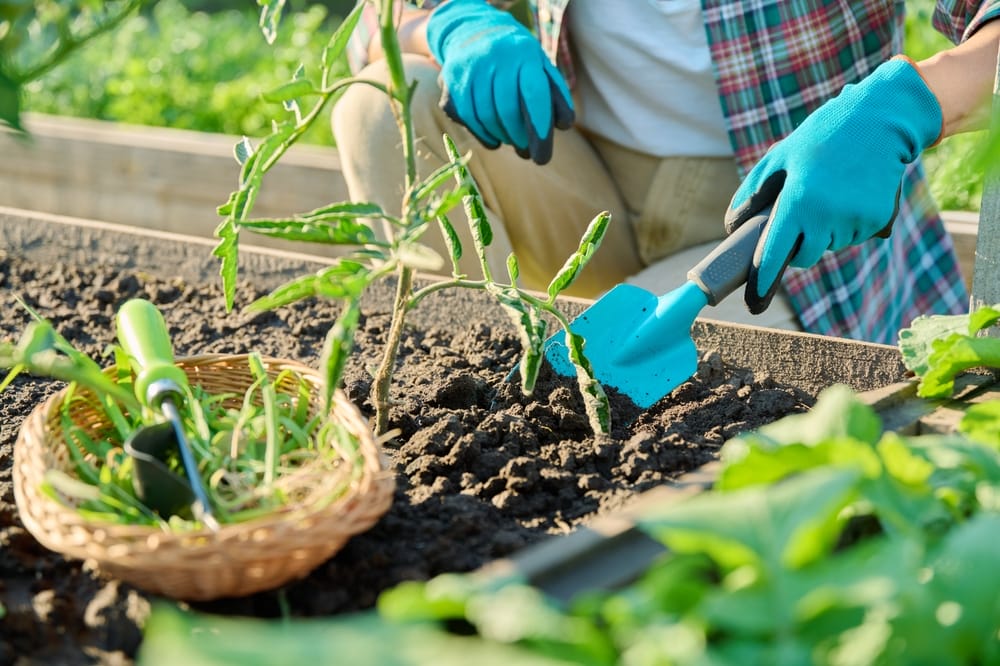
Adding Organic Matter For Nutrient Richness
Nothing boosts soil like organic matter, and fall gives it plenty of time to integrate naturally. Leaves, compost, and well-rotted manure can be worked into beds now so that nutrients fully penetrate the soil by spring. Mulching with organic material also protects the soil from erosion and retains moisture during winter’s dry spells. This practice not only nourishes next year’s plants but also improves soil structure and drainage. By starting this process in fall, you give your beds a rich, fertile head start that’s impossible to achieve in spring alone.
Planning Next Year’s Plant Layout
While many gardeners focus solely on cleaning and soil, fall is also ideal for planning your planting layout. Mapping out where each plant will go allows you to rotate crops, avoid overplanting, and make the most of sunlight and shade. You can consider companion planting strategies or think about succession planting for an extended harvest. Fall is a quiet season that gives you time to reflect on what worked this year and what didn’t. Planning now means that when spring arrives, you can dive straight into planting without hesitation or second-guessing.
Taking Advantage Of Fall Weather
Fall weather is gentle enough to work in the garden without the extremes of summer heat or winter frost. Cooler temperatures make labor-intensive tasks like digging, turning soil, and hauling compost much more enjoyable. Rainfall is usually more consistent than in dry summer months, helping amendments and compost integrate more efficiently. The soil remains workable for longer periods, giving you ample time to prepare every bed without rush. By embracing fall’s unique conditions, you’re essentially giving yourself a stress-free jumpstart for next year.
Using Cover Crops To Enrich Your Beds
Cover crops are like superheroes for garden beds during the off-season. Planting legumes, clover, or rye in fall can improve soil structure, prevent erosion, and even fix nitrogen naturally. These plants protect the soil from winter’s harshness while adding valuable organic matter as they decompose. Cover crops also discourage weeds, meaning your beds will be cleaner and healthier when spring planting begins. Taking advantage of this fall opportunity ensures that your garden will be vibrant, productive, and virtually weed-free come next year.
Protecting Beds With Mulch And Barriers
Mulch isn’t just for decoration—it’s a critical protective layer for fall-prepped beds. Applying a thick layer of mulch helps moderate soil temperature, conserve moisture, and prevent frost heaving during the colder months. You can also add straw, bark, or leaves around young plants and perennials to shield them from harsh winter winds. Even small barriers like row covers or cloches can protect tender bulbs and seedlings you plant in late fall. By fortifying your beds now, you reduce springtime surprises and set your garden up for strong, steady growth.
Start Now For A Spectacular Spring
Fall might feel like the season to wind down, but for gardeners who want next year’s beds to thrive, it’s actually the season to gear up. From soil preparation and bed cleaning to organic enrichment, layout planning, and protective measures, the work you do now pays off exponentially in spring. Preparing your beds in fall gives you healthier plants, stronger soil, and more organized, stress-free planting time.
Have you started fall prep in your garden yet? Share your strategies, successes, or even funny mishaps in the comments section below so other green thumbs can learn from you.
You May Also Like…
Why Perennial Beds Benefit From Extra Mulch Now
Why Garden Beds Sink After Leaf Mulching
Your Raised Beds Need This One Winter Trick Before the Ground Freezes
6 Kitchen Scraps That Enrich Soil Best in Autumn
7 Fall Garden Chores Kids Can Help With

Brandon Marcus is a staff writer for FrugalGardening.com at District Media, Inc., where he delivers practical gardening advice with a relatable, no-nonsense style. An avid amateur gardener, he holds a BA degree and with over ten years of professional writing experience, he is also an award-winning published author whose first book, Questions For Deep Thinkers, was released by Adams Media. His work has appeared in major publications including Fandom.com, CHUD.com, TheColdWire.com, and Fansided.com.
Leave a Reply