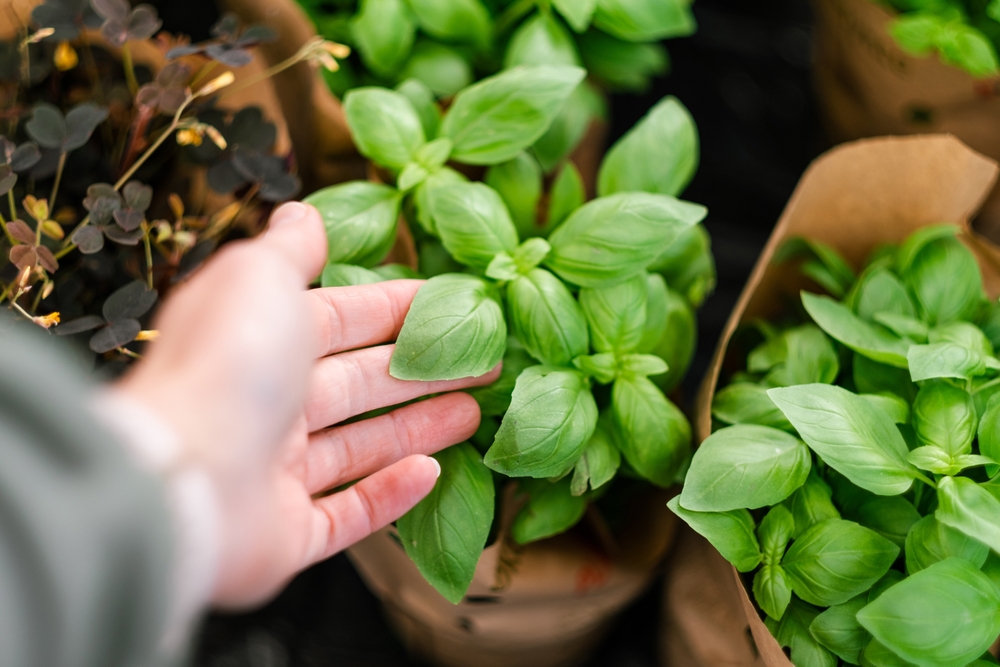
Winter doesn’t have to be a culinary wasteland ruled by bland jars and dusty spice racks. When the temperature drops, a surprising number of herbs actually step up their game, developing deeper flavors, tougher leaves, and personalities that laugh in the face of frost. These cold-weather heroes thrive when the air is crisp, the soil is cool, and your meals are begging for something fresh and exciting. Even better, many of them taste wildly superior to anything sealed in plastic at the grocery store.
Grab a mug of something warm, because these seven herbs are about to make winter cooking feel downright rebellious.
Rosemary That Laughs At Frost
Rosemary is practically built for cold weather, and its flavor becomes bolder as temperatures dip. The needles grow tougher, locking in aromatic oils that make store-bought sprigs taste sleepy by comparison. Fresh winter rosemary brings a piney, savory punch that transforms roasted potatoes, chicken, and even bread. Cold air slows its growth, which concentrates flavor rather than watering it down. One sniff of a frost-kissed rosemary branch will make you question every dried herb you’ve ever bought.
Thyme That Deepens With The Cold
Thyme doesn’t just survive cold weather, it thrives in it with quiet confidence. As winter sets in, thyme’s earthy and slightly minty notes become richer and more complex. The leaves stay small, but the flavor gets louder, making a little go a long way in soups and stews. Store-bought thyme often tastes flat because it’s harvested too early and travels too far. Fresh winter thyme feels like it was designed specifically for comfort food season.
Sage That Turns Savory Into Spectacular
Cold weather gives sage a serious glow-up that most people never experience. The fuzzy leaves grow thicker and more aromatic as the plant protects itself from the chill. This results in a bold, almost buttery flavor that dried sage can’t come close to matching. Winter sage is incredible with squash, poultry, and browned butter dishes that beg for depth. Once you’ve cooked with cold-grown sage, the jarred stuff will feel like a sad imitation.
Chives That Keep Their Attitude
Chives are tougher than they look, often pushing through chilly soil with impressive determination. Cold-grown chives develop a sharper, cleaner onion flavor that’s bright without being overpowering. The hollow green stems stay crisp and lively, unlike limp store-bought bundles. Winter chives are perfect for finishing dishes, adding freshness to eggs, soups, and baked potatoes. They prove that even the smallest herb can bring big flavor when grown in the cold.
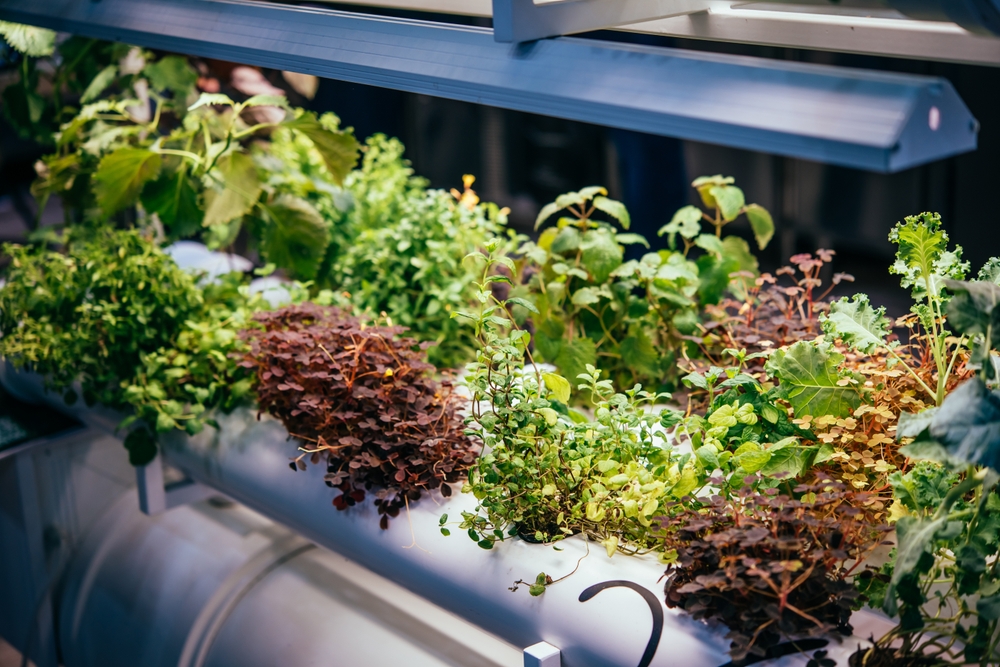
Parsley That Finally Tastes Like Something
Parsley gets a bad reputation because most people only know the watery, forgettable version from stores. In cold weather, parsley’s flavor becomes grassy, fresh, and pleasantly peppery. The leaves grow slower, which helps concentrate taste rather than diluting it. Winter parsley shines in broths, grain dishes, and sauces that need balance. Fresh-picked parsley in the cold feels like a completely different herb than the garnish you usually ignore.
Cilantro That Calms Down And Gets Better
Cilantro is famous for bolting in warm weather, but cold temperatures keep it focused and flavorful. Winter-grown cilantro has a cleaner, brighter taste without the bitterness that heat can cause. The leaves stay tender, and the flavor becomes more balanced and versatile. Store-bought cilantro often wilts quickly and loses its punch within days. Cold-weather cilantro sticks around longer and tastes better every time you use it.
Mint That Becomes Cool And Refined
Mint in cold weather takes on a smoother, more refined personality. The aggressive sharpness softens, leaving a clean, refreshing flavor that feels intentional rather than overpowering. Winter mint is fantastic in teas, desserts, and even savory dishes that need a surprising twist. The leaves are sturdier, holding essential oils that vanish in mass-produced versions. Once you try cold-grown mint, you’ll understand why fresh beats packaged every single time.
Winter Flavor Worth Talking About
Cold-weather herbs prove that winter cooking doesn’t have to rely on dusty jars and faded flavors. These plants thrive in the chill, delivering stronger aromas, richer tastes, and a freshness that store-bought options simply can’t match. Growing or sourcing herbs in colder months reconnects you with food in a way that feels satisfying and delicious.
If you’ve experimented with winter herbs or have a favorite cold-weather cooking memory, drop your thoughts or stories in the comments section below. Your kitchen might just inspire someone else to rethink what winter flavors can be.
You May Also Like…
Grow This Indoors and You’ll Have Fresh Herbs All Winter
Why Storing Herbs Properly Preserves Oils
6 Cold Weather Herbs That Keep Producing Indoors
Love Cooking? Here’s How Growing Herbs Indoors Can Change Your Kitchen Game
Why Indoor Gardening Is Trending in Cold-Climate Homes

Brandon Marcus is a staff writer for FrugalGardening.com at District Media, Inc., where he delivers practical gardening advice with a relatable, no-nonsense style. An avid amateur gardener, he holds a BA degree and with over ten years of professional writing experience, he is also an award-winning published author whose first book, Questions For Deep Thinkers, was released by Adams Media. His work has appeared in major publications including Fandom.com, CHUD.com, TheColdWire.com, and Fansided.com.
Leave a Reply