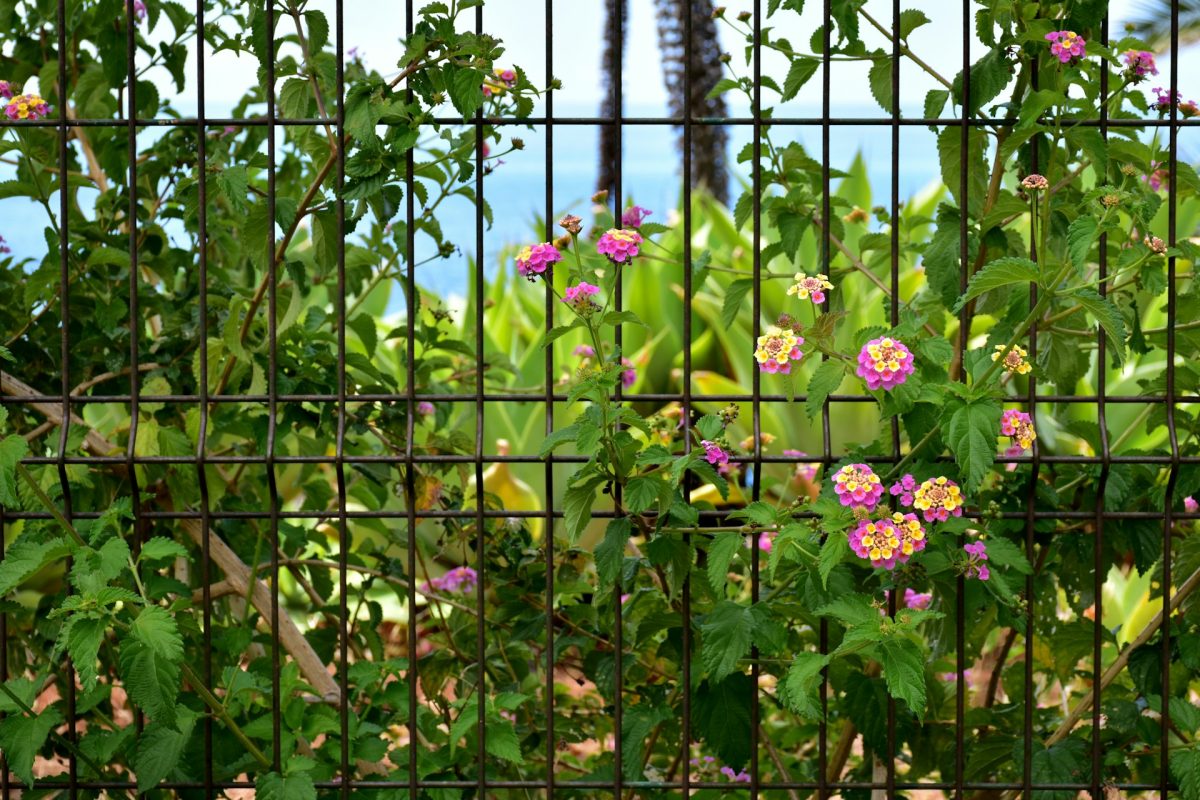
A beautiful garden fence can feel like the finishing touch that pulls everything together. It frames your flowers, defines your space, and tells the world you care about your property. But the wrong decorative fence can put you on the wrong side of local wildlife protection laws, and most homeowners never see it coming.
That lattice panel, that solid privacy wall, that charming picket upgrade—they don’t just shape your yard. They shape how animals move, feed, nest, and survive. And in some areas, they can trigger real legal trouble.
When Beauty Blocks a Wildlife Corridor
Wildlife does not recognize property lines, and it certainly does not pause to admire your landscaping choices. Many cities and counties protect natural wildlife corridors, which serve as critical pathways that animals use to travel between feeding grounds, nesting areas, and water sources. When someone installs a tall, solid fence across one of these routes, the barrier disrupts movement patterns that local regulations may actively protect.
Some municipalities require specific fence heights, spacing, or ground clearance in areas near wetlands, rivers, and designated habitats. Agencies such as the U.S. Fish and Wildlife Service under the Endangered Species Act enforce protections that prohibit actions that harm or obstruct certain listed species. If a fence blocks nesting turtles from reaching water or prevents deer from accessing traditional routes in a protected zone, local authorities may consider that interference.
Before you install a decorative fence, check whether your property sits near protected land, riparian buffers, or designated wildlife corridors. Zoning maps and environmental overlays often appear on county websites, and a quick call to your planning department can save you serious stress. A fence that works with the landscape, not against it, protects both wildlife and your investment.
Small Gaps, Big Consequences
Fence spacing might seem like a design detail, but it can carry legal weight. Many wildlife agencies recommend or require minimum ground clearance so small mammals, reptiles, and amphibians can move freely. A fence that sits flush with the soil can trap animals inside a yard or block their access to critical habitat.
In areas that protect species like box turtles or ground-dwelling birds, local codes sometimes require specific design standards. Tight mesh fencing, especially when it reaches the ground, can entangle snakes and other wildlife. Some regions regulate certain wire types because they cause injury.
You do not need to sacrifice aesthetics to meet wildlife-friendly guidelines. Choose fencing with wider spacing between pickets, or leave a small gap at the bottom to allow safe passage. If you want a more enclosed look, consider partial fencing that avoids enclosing the entire property. These design choices maintain visual appeal while respecting ecological reality.
Protected Species Change the Rules Entirely
The presence of a protected species can dramatically shift what you can and cannot build. Under the Endangered Species Act, harming or harassing listed species carries legal consequences. Habitat modification that significantly disrupts normal behavior—such as breeding, feeding, or sheltering—can count as harm.
Imagine installing a decorative fence near a known nesting site for a threatened bird. If that fence blocks access or increases predation risk by funneling animals into tight spaces, regulators may view the structure as harmful. The same principle applies to aquatic species if fencing alters stream access or drainage patterns.
Local wildlife agencies often maintain maps of sensitive habitats. Some counties require environmental review before approving fencing projects in designated conservation zones. If you live near dunes, wetlands, coastal areas, or protected forests, you should assume that extra scrutiny may apply. Always confirm what rules govern your specific location before breaking ground.

HOA Approval Does Not Equal Legal Approval
Homeowners’ associations love decorative fences. They regulate height, color, material, and style down to the inch. But HOA approval does not override local, state, or federal wildlife protections. You can comply with every HOA guideline and still violate environmental regulations.
City ordinances frequently control fence height limits, setback requirements, and permeability standards in environmentally sensitive zones. Some areas require wildlife-friendly fencing in developments located near open space or conservation land. Developers sometimes record these restrictions in property covenants, and they remain enforceable long after the first home sells.
Before you assume your HOA paperwork covers you, check municipal codes and any environmental overlays that apply to your parcel. If you live in a newer development near preserved land, the original site plan may include fencing limitations that protect the surrounding habitat. Do the homework now instead of facing a removal order later.
Deer Fencing and the Height Dilemma
Gardeners often install tall fences to keep deer away from prized plants. Deer-resistant fencing can exceed six or even eight feet in height. In agricultural areas, that approach makes sense. In suburban or semi-rural communities near protected habitats, it can create problems.
Some wildlife management plans require fencing that allows deer and other large mammals to move safely across landscapes. Solid, tall barriers can force animals into roadways or residential areas, increasing vehicle collisions and human-wildlife conflict. Local governments sometimes regulate maximum fence heights outside urban cores for that reason.
The Smarter Way to Fence Your Garden
You can protect your garden and respect wildlife at the same time. Start by researching your local zoning code and environmental overlays. Call your planning department and ask direct questions about wildlife corridor requirements, protected species, and fence design standards. Keep notes and request written confirmation when possible.
Choose materials and designs that balance privacy with permeability. Avoid tight mesh that traps animals, and leave reasonable ground clearance where appropriate. Consider partial fencing, hedgerows, or native plant barriers that create boundaries without forming hard walls.
If your property lies near protected land, invest in a consultation with a local environmental planner or landscape architect who understands regional regulations. That upfront expense can prevent costly redesigns or legal headaches later. Good design never exists in isolation; it works with the land, not against it.
The Real Cost of Getting It Wrong
A decorative fence might look harmless, but enforcement actions rarely feel harmless. Local governments can issue fines, require removal, and deny future permits if a structure violates environmental rules. Beyond legal consequences, a poorly planned fence can damage habitat and strain relationships with neighbors who value local wildlife.
Before you install that eye-catching fence you spotted online, pause and investigate. Does it align with local wildlife protections? Does it allow safe passage for small animals? Does it respect designated buffers and corridors?
What kind of fence design strikes the right balance between beauty and responsibility in your space? Let’s talk about it in the comments.
You May Also Like…
These 5 Plant Pairings Are Killing Yields in Backyard Gardens
Why Some Cities Are Cracking Down on Front Yard Vegetable Gardens Again
These 5 Plant Pairings Are Killing Yields in Backyard Gardens
7 Tiny Fence Fixes That Keep Snow From Destroying Panels
Here’s How To Build A Garden Fence For Your Herbs and Vegetables

Brandon Marcus is a staff writer for FrugalGardening.com at District Media, Inc., where he delivers practical gardening advice with a relatable, no-nonsense style. An avid amateur gardener, he holds a BA degree and with over ten years of professional writing experience, he is also an award-winning published author whose first book, Questions For Deep Thinkers, was released by Adams Media. His work has appeared in major publications including Fandom.com, CHUD.com, TheColdWire.com, and Fansided.com.
Leave a Reply