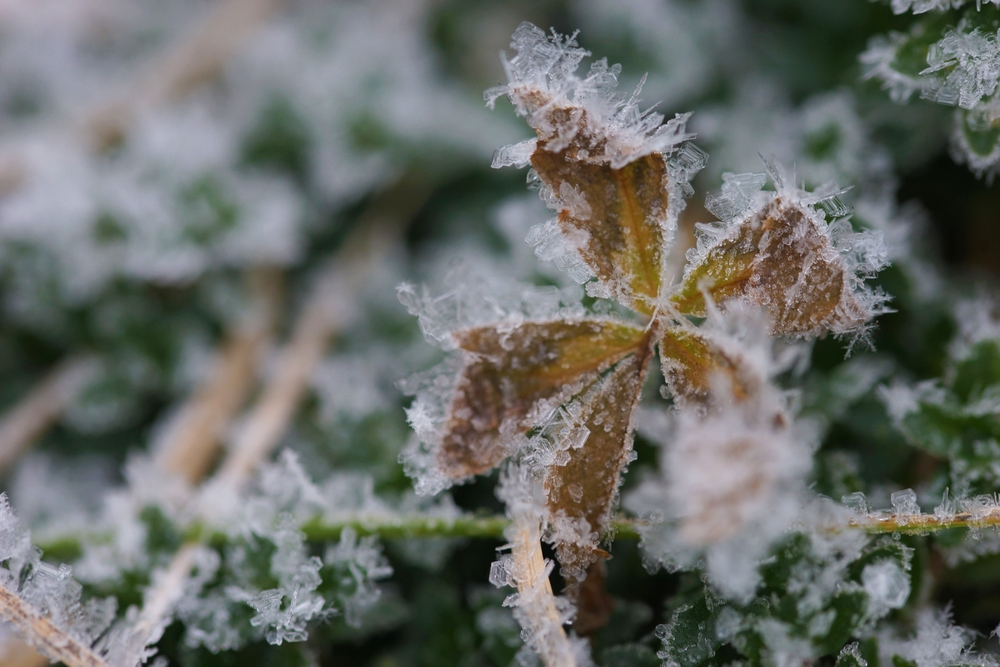
Gardening enthusiasts know that a single frost can ruin weeks of careful planning, leaving tender seedlings trembling in the cold. Cold frames are the secret weapon of savvy growers, but the truth is, the basic wooden box with a clear lid only scratches the surface. By making a few clever upgrades, you can stretch your growing season, protect your plants from harsh weather, and even sneak in an early harvest before neighbors have planted a single seed. The possibilities are both practical and exciting, turning a simple garden accessory into a powerhouse of productivity.
Whether you’re growing lettuce in February or tomatoes in October, these upgrades will help your cold frame perform like a miniature greenhouse on steroids.
1. Install Adjustable Ventilation Panels
Cold frames can quickly turn into saunas on sunny days if you don’t have proper airflow. Adjustable ventilation panels allow you to control temperature, prevent overheating, and reduce the risk of plant stress. By sliding or propping open panels, you can balance warmth and fresh air, keeping seedlings happy and healthy. This upgrade is especially crucial in spring when days heat up but nights remain chilly. You’ll find that your plants thrive more consistently when they aren’t battling sudden temperature swings.
2. Add Reflective Interior Surfaces
Reflective surfaces inside your cold frame bounce sunlight onto every leaf, maximizing warmth and encouraging faster growth. Aluminum foil, white paint, or mirrored panels can help distribute light evenly to seedlings tucked in corners. This simple upgrade can make a significant difference in light-deprived winter months. It also helps reduce shading issues for plants stacked close together. Plants love consistent light, and reflective interiors ensure they get more of it.
3. Install A Thermal Mass
Thermal mass, like bricks or water-filled jugs, absorbs heat during the day and releases it at night, stabilizing temperatures inside your cold frame. This upgrade prevents your plants from experiencing freezing nights after a sunny afternoon. It’s especially effective for longer-term cold-frame use, such as winter greens or hardy herbs. Position heavy thermal masses near plants without overcrowding them to maintain airflow. By holding onto heat, these masses create a mini climate that keeps your crops cozy when the outside temperature drops.
4. Upgrade To Insulated Panels
Standard cold frames often rely on thin, single-layer materials that lose heat quickly. Swapping in insulated panels, like double-walled polycarbonate, dramatically improves heat retention. This upgrade is particularly helpful for regions with harsh winters or unpredictable cold snaps. Insulated panels also reduce condensation, which can prevent fungal growth on seedlings. Your plants will spend more time in stable temperatures, reducing stress and improving overall yield.
5. Add A Simple Rainwater Collection System
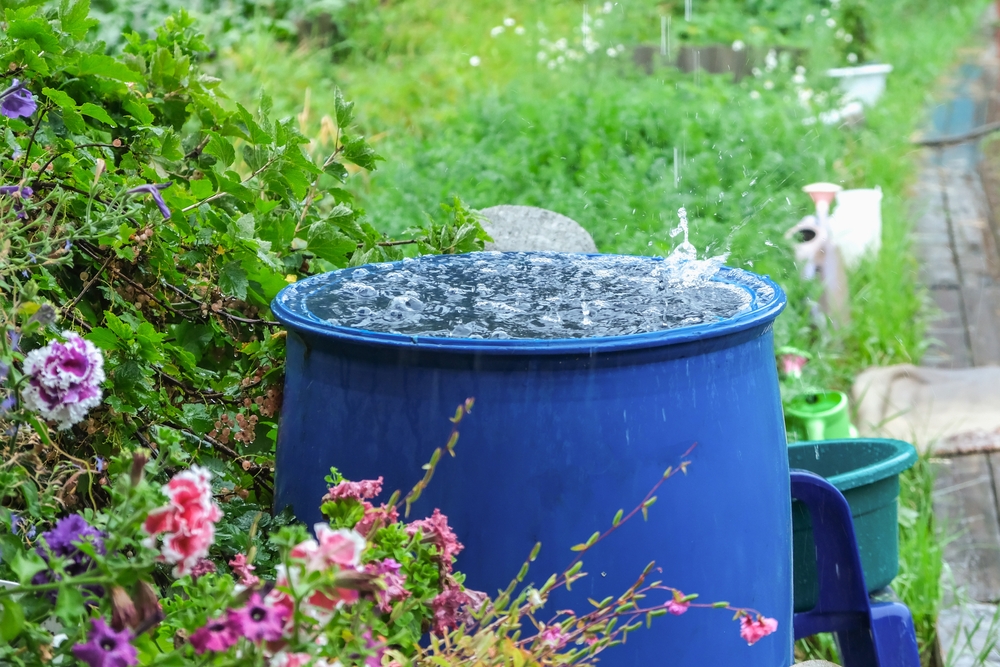
Watering is essential, but during winter or early spring, a rainwater system can simplify care and conserve resources. Attaching a small gutter or collection tray allows you to capture water for easy irrigation. This system ensures your cold frame soil stays moist without overwatering or constant trips to the hose. Rainwater is often softer than tap water, which benefits delicate seedlings. A simple water upgrade keeps your plants hydrated while saving you time and effort.
6. Install Removable Shelving
Vertical space in cold frames is often underutilized. Adding removable shelves or racks allows you to grow multiple layers of plants without overcrowding. Seedlings and smaller crops like microgreens can occupy upper shelves, while larger plants take root below. This upgrade increases your growing capacity without expanding the footprint of the frame. Shelving also makes it easier to rotate plants as they grow, optimizing light exposure for everyone.
7. Use Automatic Lid Openers
Manual venting requires attention and can be inconsistent, but automatic lid openers respond to temperature changes without intervention. These devices use wax or spring mechanisms to lift the lid when it warms up and close it as it cools. Automatic openers reduce the risk of overheating and minimize daily maintenance. Your plants get consistent airflow even when you’re away. It’s a small mechanical upgrade that delivers big results in plant health.
8. Add Frost Protection Fabrics
Even with a cold frame, a sudden frost can sneak in when temperatures drop unexpectedly. Draping lightweight frost fabrics or row covers inside provides an extra layer of protection. These fabrics trap warmth and prevent delicate leaves from freezing overnight. They’re especially useful for extending the growing season into early spring or late fall. By combining the cold frame with protective fabrics, your crops can survive weather that might otherwise be catastrophic.
9. Introduce Bottom Heat Mats
Seedlings often struggle in cold soil, slowing germination and growth. Bottom heat mats provide consistent warmth from below, encouraging faster root development. These mats are easy to install and work well with trays or smaller pots inside the frame. They’re perfect for starting seeds in late winter before soil outside has warmed. By controlling the soil temperature, your seedlings get a head start on the growing season.
10. Install Drip Irrigation
Hand-watering inside a cold frame can be tricky, leading to uneven moisture or waterlogged soil. A simple drip irrigation system ensures consistent watering without disturbing fragile seedlings. This upgrade saves time, reduces disease risk, and promotes healthy root development. You can set it on a timer for minimal maintenance. Consistent hydration is a critical factor in extending the life of cold-frame crops.
11. Upgrade To A Hinged Lid Design
Replacing a removable lid with a hinged one adds convenience and efficiency. Hinged lids are easier to open and close for daily ventilation or harvesting. This design reduces the risk of accidentally dropping the lid on plants. It also allows for partial opening, giving you more precise control over airflow. A small mechanical change can make your cold frame feel more like a professional greenhouse.
12. Integrate Temperature and Humidity Sensors
Monitoring conditions inside a cold frame manually is hit-or-miss. Installing sensors gives real-time feedback on temperature and humidity. This data lets you adjust vents, heaters, or fabrics with confidence. You’ll know exactly when your plants need extra attention or protection. Sensors take the guesswork out of seasonal growing, giving your crops a better chance to thrive.
13. Paint Or Stain The Exterior
A practical yet often overlooked upgrade is painting or staining the outer frame. Darker colors absorb more heat during the day, slightly raising the internal temperature. Protective finishes also extend the life of your cold frame by shielding it from moisture and UV damage. This dual benefit improves warmth retention and durability without complicating the setup. Even a simple coat of paint can make a noticeable difference.
14. Add Wheels Or Casters
Mobility is a surprisingly powerful upgrade for cold frames. Adding wheels allows you to move your frame to catch sunlight, avoid heavy winds, or make space for other garden projects. This flexibility can extend the growing season by maximizing exposure to natural warmth. Wheels also make cleaning and maintenance much easier. A frame that moves with your garden grows more efficiently and protects your plants more effectively.
Make Your Cold Frame A Supercharged Growing Machine
Cold frames are a gardener’s best friend, but with a few strategic upgrades, they can become season-extending superheroes. From ventilation panels and thermal mass to automatic lids and sensors, each tweak improves temperature stability, light exposure, and plant health. These changes don’t just protect seedlings—they help you maximize productivity, extend your harvest, and enjoy gardening no matter the weather.
Which upgrades have you tried, or which would you love to test in your own garden? Share your thoughts, experiences, or tips in the comments section.
You May Also Like…
8 Cold-Tolerant Veggies You Can Plant Late in the Season
Are Indoor Herb Gardens Worth It During the Cold Months?
Cold Frame Magic: How to Keep Growing Fresh Veggies Through Winter
The Best Way to Prune Fruit Trees Before the Cold Sets In
10 DIY Cold-Frame Hacks for Winter Veggies

Brandon Marcus is a staff writer for FrugalGardening.com at District Media, Inc., where he delivers practical gardening advice with a relatable, no-nonsense style. An avid amateur gardener, he holds a BA degree and with over ten years of professional writing experience, he is also an award-winning published author whose first book, Questions For Deep Thinkers, was released by Adams Media. His work has appeared in major publications including Fandom.com, CHUD.com, TheColdWire.com, and Fansided.com.
Leave a Reply