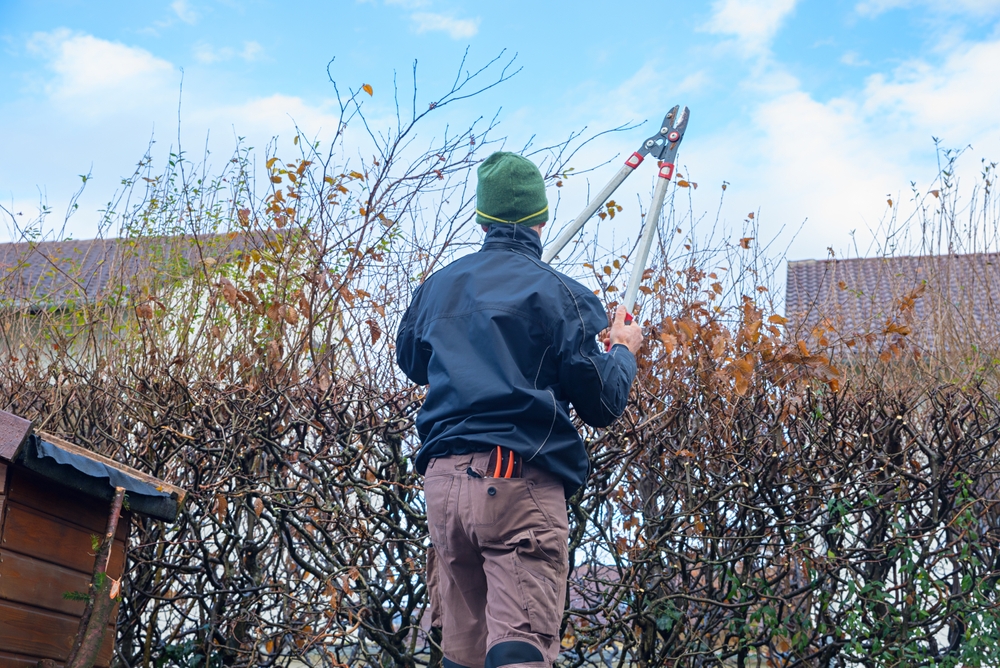
February is actually one of the most important times to set the stage for a successful growing season. While the ground may still be cold and the days short, this is when smart gardeners get ahead. The work you do now can determine how smoothly your spring unfolds, how healthy your plants become, and how much time you’ll save once everything bursts back to life. Instead of waiting for warmer weather, February gives you the perfect window to prepare, plan, and get your garden in top shape before the rush of spring arrives.
Whether you’re a seasoned gardener or someone who simply wants a thriving yard without the stress, February offers a surprising number of tasks that make a huge difference.
1. Prune Like a Pro Before Spring Growth Begins
February is one of the best months to prune many trees and shrubs because they’re still dormant, making it easier to see their structure and remove damaged or crossing branches. Pruning now encourages healthy growth once warmer weather arrives and helps prevent disease by improving airflow.
Focus on fruit trees, roses, and deciduous shrubs that bloom on new wood. Avoid pruning spring‑flowering plants, since you may accidentally remove their buds. A clean, sharp pair of pruners and a little patience can transform the health and shape of your plants for the entire year.
2. Start Seeds Indoors for a Head Start on Spring
If you want earlier blooms or a jump on your vegetable garden, February is the perfect time to start seeds indoors. Many warm‑season crops, such as tomatoes and peppers, need several weeks of growth before they’re ready to be transplanted outside.
Starting seeds now gives them time to develop strong roots and sturdy stems. Use a high‑quality seed‑starting mix, provide plenty of light, and keep the soil consistently moist but not soggy. This small investment of time now pays off with healthier plants and earlier harvests later.
3. Clean and Sharpen Your Garden Tools
Your tools have likely been sitting idle for months, and February is the ideal time to give them some attention. Clean off any dirt or rust, sharpen blades, and oil moving parts to keep everything working smoothly. Cleaning your garden tools may take time, but it’s easier than it looks.
Well‑maintained tools make gardening easier and help prevent plant damage caused by dull or dirty blades. This is also a great moment to take inventory of what you have and replace anything that’s worn out. A little tool care now saves frustration once the busy season begins.
4. Prepare Garden Beds Before the Rush of Spring
Even if the soil is still cold, you can begin preparing your garden beds for planting. Remove leftover debris from last season, pull any winter weeds, and add compost to enrich the soil. Working compost into the top layer helps improve structure and fertility, giving your plants a strong start.
If your soil is too wet to dig, simply spread compost on top and let winter weather help break it down. This early prep makes planting in spring much easier and more enjoyable.
5. Check for Winter Damage and Protect Vulnerable Plants
Winter can be tough on plants, especially young trees, evergreens, and shrubs. February is a good time to inspect your yard for signs of damage, such as broken branches, frost‑burned leaves, or exposed roots.
Gently remove snow or ice from branches if needed, but avoid shaking them, which can cause breakage. Add mulch around the base of vulnerable plants to help regulate soil temperature and retain moisture. Taking a few minutes to assess winter damage now can prevent bigger problems later.
6. Plan Your Garden Layout While You Still Have Time
Before spring arrives and everything becomes a race against the clock, February gives you the perfect moment to plan your garden layout. Think about what worked last year, what didn’t, and what new plants you want to try. Sketching out your beds helps you avoid overcrowding and ensures each plant gets the sunlight and space it needs.
Planning also helps you budget for seeds, soil, and supplies. A thoughtful layout now leads to a more organized and productive garden later.

7. Order Seeds and Supplies Before They Sell Out
Gardeners everywhere start shopping in February, which means popular seeds and supplies can disappear quickly. Ordering early ensures you get the varieties you want and gives you time to prepare before planting season begins.
Whether you’re looking for heirloom tomatoes, pollinator‑friendly flowers, or new gardening tools, February is the month to stock up. Keeping a list of what you need helps you stay organized and prevents last‑minute scrambling in spring.
8. Refresh Mulch to Protect Soil and Suppress Weeds
Mulch plays a major role in keeping your garden healthy by regulating soil temperature, conserving moisture, and reducing weed growth. February is a great time to top up mulch in flower beds, around trees, and in vegetable gardens.
Aim for a layer that’s thick enough to be effective but not so deep that it smothers plants. As temperatures fluctuate, mulch helps protect roots from sudden freezes and thaws. A fresh layer also gives your garden a clean, polished look before spring arrives.
9. Inspect Irrigation Systems Before You Need Them
If you use drip irrigation, sprinklers, or soaker hoses, February is the perfect time to check for leaks, clogs, or damage. Winter weather can cause cracks or shifts in your system, and catching problems early prevents headaches later. Test each section, clean filters, and make any necessary repairs.
Ensuring your irrigation system is ready to go means your plants will get consistent water once the growing season begins. It’s a simple task that saves time and water in the long run.
10. Give Houseplants Some Mid‑Winter Attention
While you’re focused on outdoor prep, don’t forget about your indoor plants. February is a great time to check for pests, refresh potting soil if needed, and rotate plants so they receive even light. Many houseplants slow their growth in winter, but they still benefit from gentle care and occasional pruning.
If your plants look tired, consider adjusting their light or watering routine. Healthy houseplants help brighten your home while you wait for spring to arrive.
February Sets the Stage for a Flourishing Garden
February may not be the warmest month, but it’s one of the most powerful for shaping your garden’s success. By tackling these essential tasks now, you give your plants the best possible start and make spring gardening far more enjoyable. A little effort in the final stretch of winter leads to healthier soil, stronger plants, and a more organized growing season ahead.
What February gardening tasks are at the top of your list this year? Make sure you share your plans with readers in the comments below.
You May Also Like…
What Gardeners in the Carolinas Must Do Before February to Save Their Spring Gardens
Gardening Experts Issue a Warning About Soil Problems Spreading Fast in 2026
10 Dollar‑Store Gardening Items That Actually Work
Experts Say This Winter Habit Is Causing Houseplants to Drop Leaves
Why Winter Pest Prevention Saves More Than Summer Treatments

Brandon Marcus is a staff writer for FrugalGardening.com at District Media, Inc., where he delivers practical gardening advice with a relatable, no-nonsense style. An avid amateur gardener, he holds a BA degree and with over ten years of professional writing experience, he is also an award-winning published author whose first book, Questions For Deep Thinkers, was released by Adams Media. His work has appeared in major publications including Fandom.com, CHUD.com, TheColdWire.com, and Fansided.com.
Leave a Reply