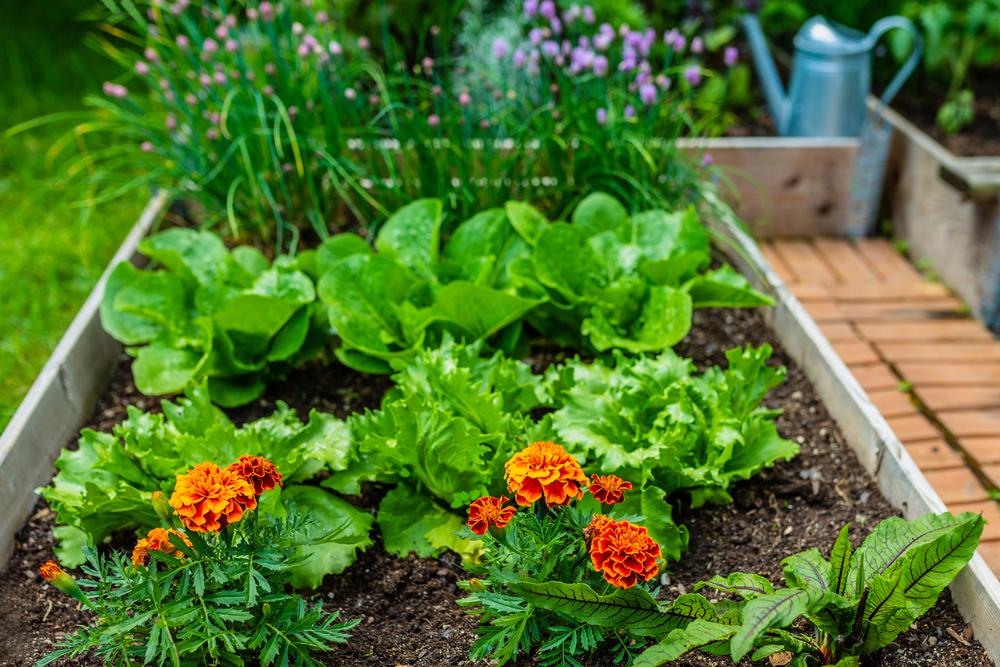
September does not mean the vegetable garden has packed its bags for the year. In many areas, gardeners can still plant a surprisingly good lineup of cool-season vegetables and harvest them before winter arrives.
This involves choosing crops that handle cooler temperatures and matching planting dates to the local first frost date. Some vegetables grow quickly from seed, while others need a little more time, so picking the right crop can make the difference between a basket of fresh produce and a packet of seeds sitting hopefully in the dirt.
1. Radishes Are the September Speedsters
Radishes make one of the easiest September crops because they grow quickly and tolerate cool weather beautifully. Direct-sow the seeds in loose soil, cover them lightly, and keep the seedbed consistently moist while they germinate. Short-season varieties make especially good choices when autumn arrives quickly. Gardeners can sow small batches rather than planting the entire packet at once, which helps spread out the harvest. Cool weather also tends to produce crisp roots without the sharp, woody texture that sometimes develops during hot weather.
Radishes work particularly well in spaces that recently held summer crops such as beans or lettuce. Remove old plant debris, loosen the soil, and sow fresh seeds into the open space. Harvest them when the roots reach the size listed for the variety because oversized radishes can become tougher and more pungent. Their leafy tops can also go into salads or cooked dishes when they look fresh and tender. That makes radishes a terrific little space-saving encore for an otherwise tired garden bed.
2. Spinach Loves a Cooler Forecast
Spinach appreciates the cooler conditions that arrive as summer fades, making September an excellent planting window in many regions. Sow seeds directly into the garden and keep the soil evenly moist until seedlings establish themselves. Choose a variety suited to fall production and give the plants a spot with good sunlight. Young leaves can provide an early harvest, while larger plants can supply more substantial handfuls later. Cool temperatures generally make spinach leaves sweeter and less likely to bolt than they would during summer.
A sudden cold snap does not necessarily spell disaster for established spinach. Gardeners can protect young plants with row cover when unusually cold weather threatens, while mature plants often tolerate light frosts. Harvesting outer leaves allows smaller leaves near the center to continue developing. Good soil drainage matters because soggy ground can cause root problems, particularly when autumn rains arrive. With sensible watering and a little protection, a September spinach planting can keep producing well into the cooler part of the season.
3. Lettuce Can Make a Quick Comeback
Lettuce provides another excellent option when September arrives and the summer heat finally backs off. Direct-sow seeds or use young transplants if the goal involves getting a fall crop moving quickly. Leaf lettuce often makes more sense than head lettuce when time remains limited because gardeners can harvest individual leaves as the plants grow. Choose a location with plenty of sunlight, although some afternoon shade can help in areas where September still brings warm afternoons. Consistent moisture keeps the leaves tender and helps prevent the plants from becoming stressed.
Lettuce also makes a useful candidate for containers, window boxes, and small garden gaps. Planting several varieties can create different textures and colors without requiring much additional space. Harvest outer leaves first and leave the growing center intact when using a cut-as-needed approach. A sudden frost may damage exposed leaves, so lightweight row cover can provide useful protection. The result can turn a September planting into fresh salad ingredients long after the summer tomato plants start looking decidedly finished.
4. Arugula Brings Peppery Personality
Arugula grows rapidly and handles cool weather well, which makes it one of the more forgiving choices for a late-season garden. Sow the small seeds directly into prepared soil and keep the surface moist during germination. Baby leaves usually provide the quickest payoff, so gardeners do not need to wait for enormous plants before harvesting. Cooler temperatures can also produce pleasantly mild leaves compared with arugula grown through intense summer heat. Regular harvesting encourages a steady supply while preventing the garden from turning into an arugula jungle.
This crop fits neatly between larger plants and works especially well in narrow beds or containers. Succession sowing can provide a more continuous harvest when the growing season still offers several weeks of decent weather. If temperatures remain warm early in September, give the seedlings consistent moisture and watch for bolting. Row cover can help protect a late planting once temperatures begin dropping sharply. For gardeners who enjoy a little peppery bite in salads, September arugula earns its garden space with very little fuss.
5. Kale Keeps Its Cool
Kale belongs near the top of the fall-garden list because cool weather suits it exceptionally well. Gardeners can plant young transplants for a head start or sow seeds when enough growing time remains. Give kale fertile, well-drained soil and steady moisture while the plants establish themselves. Harvest individual leaves from the outside of the plant instead of stripping the entire plant at once. Cooler conditions can improve the flavor and texture of kale, making autumn leaves particularly useful for soups, sautés, and hearty salads.
Kale also offers more cold tolerance than many tender summer vegetables. A frost does not automatically end the crop, although severe cold can damage leaves and eventually stop growth. Covering plants during unusually cold nights can extend the harvest when the weather turns nasty. Watch for caterpillars and other leaf-chewing pests because cool weather does not guarantee a pest-free garden. A September kale planting can therefore provide both a useful harvest and a welcome burst of green when many summer crops have disappeared.
6. Mustard Greens Add a Little Fire
Mustard greens grow quickly and prefer the cooler conditions of fall, making them a smart September choice. Direct-sow the seeds into fertile soil and maintain even moisture during germination. Baby leaves offer a relatively quick harvest, while larger leaves bring a stronger mustard flavor. Gardeners who find mature mustard greens too intense can harvest them young for a milder bite. The plants also tolerate light frost, although prolonged freezing weather eventually ends the growing season.
Mustard greens make sense for gardeners who want something more interesting than another round of lettuce. They work well in salads, stir-fries, soups, and cooked side dishes, so a small planting can serve several purposes. Harvesting outer leaves regularly keeps the plants useful instead of letting the entire crop mature at once. Flea beetles and other pests can still cause trouble, particularly while seedlings remain small, so occasional inspection helps catch damage early. For a fall garden with personality, mustard greens bring plenty of it.
7. Turnips Can Pull Off a Fall Finale
Turnips combine a relatively quick root crop with edible greens, giving gardeners two harvests from one planting. Sow the seeds directly into loose, stone-free soil because crowded or compacted ground can produce misshapen roots. Choose fast-maturing varieties when planting later in the season and check the seed packet for the expected days to maturity. The greens often become harvestable before the roots reach full size, which provides an earlier payoff. Cool weather can also improve the flavor of the roots and reduce the harshness that sometimes develops during hot conditions.
Thinning seedlings matters because turnips need enough room to form proper roots. Pull excess seedlings while they remain small and use the tender greens rather than tossing them aside. Keep the soil evenly moist, especially during dry spells, because inconsistent moisture can affect root quality. Gardeners should also keep an eye out for common brassica pests, which can attack turnip foliage. When September leaves limited time for ambitious crops, turnips offer a practical way to squeeze both greens and roots from the same patch.
8. Beets Can Handle the Autumn Shift
Beets make a strong fall candidate because gardeners can use both the roots and the leafy tops. Direct-sow seeds into loose soil, keeping the seedbed moist until the seedlings emerge. Each beet seed cluster can produce multiple seedlings, so thinning becomes an important step once the plants appear. Smaller roots offer tender eating, while gardeners can leave selected plants longer when the weather permits. The cooler conditions of fall often suit beet production better than the hottest stretch of summer.
Beets need enough sunlight and consistent moisture to produce quality roots, but they do not demand a complicated routine. Pulling a few sample roots provides a simple way to judge size before harvesting the whole planting. The greens work well cooked, particularly when they still look fresh and unblemished. A layer of mulch can help moderate soil temperatures and moisture as autumn weather becomes less predictable. That combination of edible roots and greens makes beets especially valuable when garden space becomes precious.
9. Carrots Are Worth a September Gamble
Carrots can work for September planting in regions with a sufficiently long, mild fall, particularly when gardeners choose quick-maturing varieties. Direct-sow the seeds because carrots dislike root disturbance, and prepare the soil deeply so developing roots encounter fewer obstacles. Keep the seedbed consistently moist because carrot seeds can take time to emerge. Thin crowded seedlings once they establish so the roots have room to develop properly. Gardeners should check the variety’s maturity time against their local weather because carrots generally need more time than radishes or leafy greens.
A September carrot crop makes the most sense where autumn conditions remain favorable for several weeks. Mulch can help keep the soil evenly moist and provide some insulation as temperatures fall. Harvesting can happen once the roots reach a useful size, although smaller carrots often offer particularly tender texture. In colder regions, gardeners may need to rely on an earlier planting or protect the crop with substantial mulch if they want to leave carrots in the ground later. Carrots therefore require a little more planning, but the reward can make the extra patience worthwhile.
September Still Has Plenty of Garden Left
September planting works best when gardeners stop thinking like summer gardeners and start choosing crops that actually enjoy cooler conditions. Fast-growing radishes, spinach, lettuce, and arugula can provide quicker harvests, while kale, mustard greens, turnips, beets, and carrots can keep the garden productive longer. Local frost timing matters, so planting dates should always account for the expected first frost and the maturity time listed for each variety. Soil preparation also matters because compacted beds, poor drainage, and neglected moisture can undermine even the best crop choices. A little planning turns empty spaces left by summer vegetables into productive fall real estate.
What vegetables are still going into the garden this September, and which fall crop always earns a spot?
You May Also Like…
7 Garden Plants You Should Stop Spending Money On Every Year
6 August Garden Jobs That Make September Easier
Don’t Rip Out Your Summer Garden Yet: 8 Plants That May Keep Producing Into Fall
How Much Water Does a Garden Need During Late-Summer Heat?
Where Can Gardeners Find Free Mulch in Late Summer?

Brandon Marcus is a staff writer for FrugalGardening.com at District Media, Inc., where he delivers practical gardening advice with a relatable, no-nonsense style. An avid amateur gardener, he holds a BA degree and with over ten years of professional writing experience, he is also an award-winning published author whose first book, Questions For Deep Thinkers, was released by Adams Media. His work has appeared in major publications including Fandom.com, CHUD.com, TheColdWire.com, and Fansided.com.
Leave a Reply