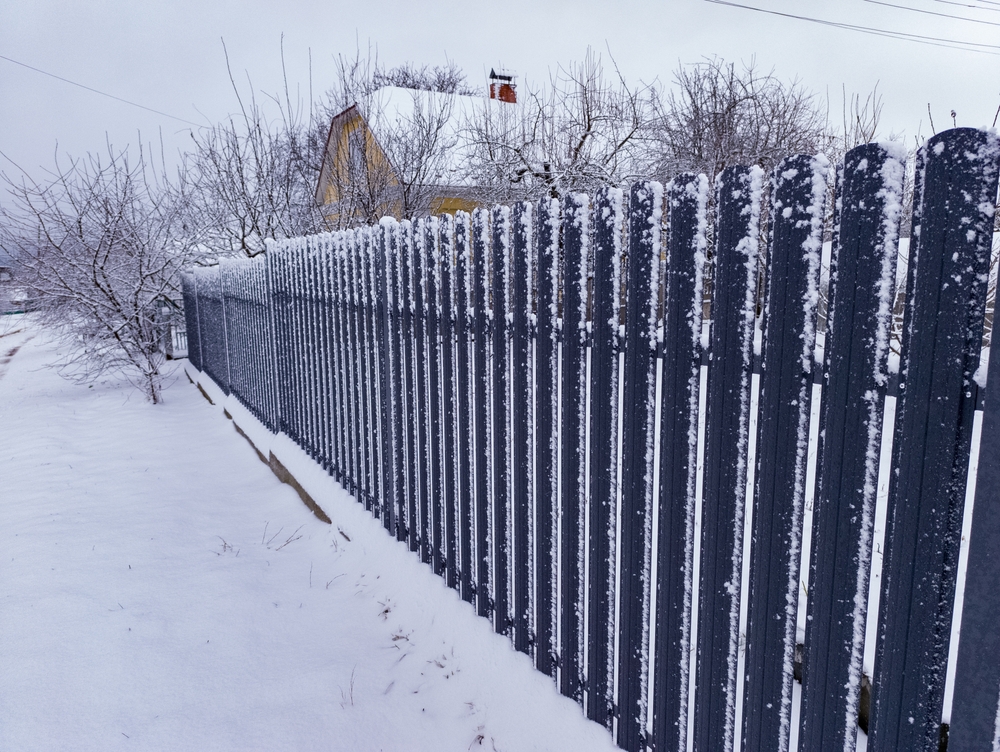
Winter doesn’t always arrive quietly and politely. No, sometimes it slams into your yard with icy elbows and a wicked grin. One heavy snowfall can turn a proud, straight fence into a leaning mess of cracked panels and loose posts, and it always seems to happen overnight.
Snow isn’t just cold and annoying; it’s also heavy, persistent, and surprisingly destructive when it piles up in the wrong places. The wild part is that you don’t need a full fence rebuild to fight back.
A handful of small, smart adjustments can make the difference between a fence that collapses and one that shrugs off winter like a champ.
1. Create Small Gaps At The Bottom Of Panels
Snow damage often starts where you can’t easily see it: right at the base of the fence. When panels sit flush against the ground, snow piles up and freezes solid, locking the fence in place while the ground beneath shifts. That pressure has nowhere to go except into the panels themselves. By raising panels even an inch or two, you give snow a place to settle without pushing directly against the wood or vinyl.
This small gap also allows melting snow to drain away instead of refreezing into a heavy ice block. Over time, this simple space dramatically reduces warping, cracking, and rot. It may not look dramatic, but it works like a pressure-release valve for winter.
2. Reinforce Posts With Extra Gravel
Fence posts are the unsung heroes of winter survival. When snow loads up on panels, posts take the brunt of that weight, especially during freeze-and-thaw cycles. Adding extra gravel around the base of each post improves drainage and stabilizes the surrounding soil. Better drainage means less ice expansion, which is one of the main culprits behind leaning or snapped posts. Gravel also helps distribute weight more evenly, giving posts a sturdier footing when snowbanks push against the fence line. This fix is inexpensive, quick, and surprisingly effective. Think of it as giving your fence posts better winter boots.
3. Add Lightweight Snow Deflectors
Snow doesn’t need to sit directly on your fence to cause problems. When drifts form along panels, the constant pressure slowly bends and weakens them. Lightweight snow deflectors installed along the base or just in front of the fence can redirect snow buildup away from vulnerable spots. These don’t need to be bulky or ugly; subtle angled pieces can guide snow to settle elsewhere.
By changing where snow lands, you reduce long-term stress on the panels themselves. This fix is especially useful in windy areas where drifting snow tends to stack up unevenly. It’s a quiet, clever way to outsmart winter physics.
4. Tighten Hardware Before The First Snowfall
Loose screws and brackets might not seem like a winter issue, but snow magnifies every weakness. When panels flex under snow weight, loose hardware allows extra movement that leads to cracks and splits. A quick pre-winter tightening session can drastically improve a fence’s ability to hold its shape. Secure connections help panels act as a unified structure instead of independent pieces fighting gravity alone.
This also prevents annoying mid-winter failures when frozen metal becomes harder to adjust. Spending an hour with a screwdriver now can save days of repair later. It’s boring, sure—but it’s also powerful.
5. Seal Wood To Block Moisture Intrusion
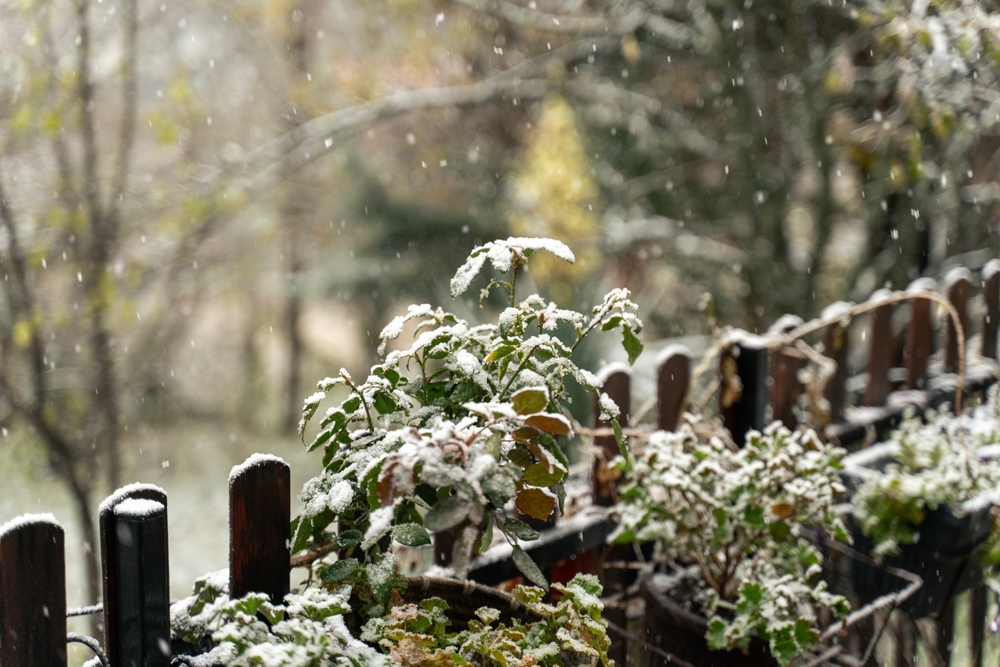
Snow damage isn’t just about weight; moisture is the real long-term villain. When snow melts and seeps into untreated wood, it refreezes and expands, slowly tearing fibers apart from the inside. Applying a quality sealant before winter creates a protective barrier against this cycle. Sealed wood resists water absorption and stays stronger through repeated freezes. This fix also helps prevent rot, discoloration, and surface cracking. Even older fences benefit from a fresh seal before snow season hits. It’s like wrapping your fence in an invisible winter coat.
6. Install Temporary Winter Bracing
Some fences need a little extra help during the snowiest months. Temporary braces installed at key stress points can dramatically increase stability without changing the fence permanently. These supports absorb some of the sideways force created by snowbanks and drifting. The beauty of temporary bracing is flexibility—you can remove it once spring arrives. This is especially useful for long fence runs or older installations that have already seen a few tough winters. A small amount of added support can prevent a total collapse. Winter doesn’t last forever, but damage can.
7. Clear Snow Strategically, Not Aggressively
Shoveling snow away from a fence sounds obvious, but how you do it matters. Aggressive clearing can actually loosen posts or damage panels, especially when snow is packed and icy. Instead, remove snow gradually, focusing on relieving pressure rather than scraping surfaces clean. Leaving a thin layer behind is better than gouging wood or bending hardware. Strategic clearing reduces weight without introducing new stress points. It’s a gentle approach with long-term benefits. Sometimes restraint is the smartest fix of all.
Small Fixes, Big Winter Wins
Snow may be relentless, but fence destruction doesn’t have to be inevitable. These tiny fixes work together to protect panels, posts, and hardware from winter’s worst habits. None of them require a full rebuild, yet each one adds a meaningful layer of defense. With a little planning and attention, your fence can come out of winter looking just as strong as it went in.
If you’ve battled snow-related fence problems before—or discovered a clever fix of your own—slide into the comments section below and tell us how winter treated your fence this year.
You May Also Like…
12 Ways Snow Can Protect Your Soil and When It Hurts It
Here’s How To Build A Garden Fence For Your Herbs and Vegetables
9 Fast Ways to Protect Young Trees From Windburn
14 Garden Tasks to Do Before the First Snow Flurry
8 Winter Garden Paving & Path Ideas for Snowy Landscapes

Brandon Marcus is a staff writer for FrugalGardening.com at District Media, Inc., where he delivers practical gardening advice with a relatable, no-nonsense style. An avid amateur gardener, he holds a BA degree and with over ten years of professional writing experience, he is also an award-winning published author whose first book, Questions For Deep Thinkers, was released by Adams Media. His work has appeared in major publications including Fandom.com, CHUD.com, TheColdWire.com, and Fansided.com.
Leave a Reply