
Picture this: it’s a crisp spring morning, the birds are chirping, and you step outside to admire your garden—only to find your prized tomato plants looking like they’ve survived an arctic expedition. The culprit? A sneaky frost pocket. These chilly little traps can ruin gardens, kill delicate plants, and frustrate even the most seasoned green thumb.
What’s worse, they’re often invisible until it’s too late. But don’t worry—with a few simple observations and tricks, you can spot these icy ambush zones before they strike again.
What Exactly Is a Frost Pocket?
Think of a frost pocket as nature’s version of a cold trap. It’s a low-lying area or depression in your yard where cold air settles overnight, creating localized mini-freezes. Because cold air is heavier than warm air, it naturally sinks and collects in dips, valleys, or behind barriers like fences and walls. Even if the weather report says the temperature stayed above freezing, your yard might tell a different story. These frosty microclimates can damage flowers, fruits, and vegetables faster than you can say “frozen hydrangea.”
How Frost Pockets Form
Frost pockets aren’t random—they’re science in action. At night, when the sun disappears, heat from the ground radiates upward into the sky. Without that warm sunlight to replace it, air near the ground cools rapidly. Because cold air is dense, it flows downhill until it finds a low spot to settle, much like water would. The result is a pocket of cold, stagnant air that lingers just long enough to nip your plants while the rest of your yard stays frost-free.
Early Signs You Might Have a Frost Pocket
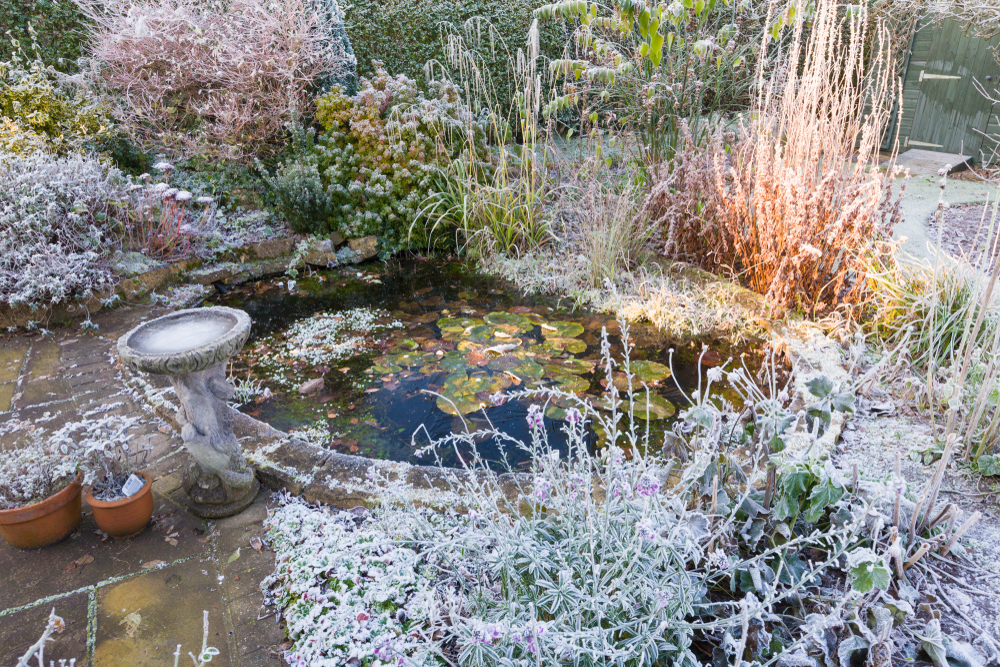
You don’t need a fancy weather station to detect frost pockets—just a keen eye and a little curiosity. Start by noticing where frost forms first on cold mornings. If one section of your yard always looks like it got an extra dose of winter while the rest remains clear, that’s a red flag. Another clue is uneven plant growth—plants in a frost pocket may appear stunted or discolored compared to others just a few feet away. Finally, if dew or fog tends to hang out longer in one area, that’s a good indication of where cold air loves to settle.
How Topography Affects Frost Formation
Your yard’s shape plays a huge role in how frost behaves. Flat areas tend to cool evenly, but sloped yards are trickier—cold air moves downhill like a silent avalanche, pooling wherever it can’t escape. Depressions, dips, or even slight hollows can become frost magnets. A tall hedge, fence, or wall can also block airflow, trapping cold air in one section while leaving another side untouched. Understanding the natural “flow” of air across your landscape is the secret weapon for identifying frost-prone zones.
The Power of Observation (and Patience)
Here’s a little secret: nature gives clues if you take the time to watch. Walk your yard early in the morning after a cold night. Look for patches of frost that linger longer, or areas where the grass feels damp and crunchy underfoot. Over several mornings, patterns will start to emerge, revealing which parts of your yard are colder than others. It’s like mapping your own mini-climate—and once you know your frost pocket zones, you can plan your garden layout accordingly.
Using Thermometers Like a Pro
If you want to get a little more scientific, invest in a few outdoor thermometers or soil probes. Place them at different heights and locations across your yard: one in a low spot, one on a slope, and one in a higher area. Check them just before sunrise—the coldest time of day—and compare the readings. Even a few degrees of difference can tell you a lot about how air and temperature behave on your property. Over time, you’ll see a clear temperature map emerge, pinpointing exactly where your frost pockets live.
Vegetation Can Reveal the Secrets
Sometimes your plants themselves will tell the story. In yards with frost pockets, you’ll often notice sensitive plants like basil, tomatoes, or citrus suffering while others remain healthy. Lawns may also show irregular growth patterns or discolored patches. Shrubs on one side of your yard might bloom later than those elsewhere. By paying attention to how your vegetation responds to cold, you’ll start to see the invisible outline of your frost pocket drawn in leaves and stems.
How to Mitigate Frost Pockets Once You Find Them
Finding a frost pocket isn’t the end of the world—it’s an opportunity to outsmart it. One simple trick is to encourage better airflow. Trim hedges, remove solid barriers, or create gentle slopes so cold air can drain away instead of pooling. You can also plant more frost-tolerant varieties in these trouble spots, saving your delicate species for higher, warmer ground. In some cases, placing large rocks or mulch in low areas can help retain heat and reduce frost formation. Think of it as giving your garden a little built-in heating system.
The Role of Structures and Hardscapes
Manmade features can both cause and cure frost problems. A tall wooden fence might block air movement, while a stone wall can act like a heat battery, absorbing warmth during the day and releasing it at night. Pathways, patios, and even gravel beds also help regulate temperature by storing solar energy. On the flip side, dense plantings or tight corners between sheds and fences can trap cold air. If you understand how these elements interact, you can redesign small parts of your yard to keep frost from settling where it shouldn’t.
Why Every Yard Has Its Own Microclimate
No two backyards are alike—your neighbor’s frost-free paradise could be just a few feet higher or shaped slightly differently. That’s because microclimates are incredibly sensitive to terrain, vegetation, and airflow. Even a small elevation change can mean a temperature difference of several degrees. Once you understand your yard’s unique rhythm, you can use it to your advantage—planting sensitive flowers in warmer zones and reserving chillier spots for hardy species. It’s less about fighting frost and more about learning to dance with it.
Outsmarting Frost One Yard at a Time
Frost pockets are sneaky, but they’re not unbeatable. With a little observation, patience, and creativity, you can turn your frosty pitfalls into gardening opportunities. The more you understand how cold air behaves in your yard, the better equipped you’ll be to protect your plants and plan your garden like a pro. Now that you know how to identify frost pockets, have you discovered any in your own yard?
Share your discoveries, tricks, or chilly tales in the comments section below—we’d love to hear how you’ve battled (and conquered) the cold.
You May Also Like…
12 Crops That Need Extra Watering Before Frost
How to Harden Off Plants Before the First Frost
8 Garden Myths That Fail in Autumn Weather
12 Herbs That Thrive in Cooler Temperatures
Why Cooler Nights Boost Leafy Green Flavor

Brandon Marcus is a staff writer for FrugalGardening.com at District Media, Inc., where he delivers practical gardening advice with a relatable, no-nonsense style. An avid amateur gardener, he holds a BA degree and with over ten years of professional writing experience, he is also an award-winning published author whose first book, Questions For Deep Thinkers, was released by Adams Media. His work has appeared in major publications including Fandom.com, CHUD.com, TheColdWire.com, and Fansided.com.
Leave a Reply