
Ah, autumn—the season of pumpkin spice, cozy sweaters, and… endless piles of leaves. You rake, you bag, and before you know it, your yard looks like it hosted a leaf parade that never left town. But here’s the thing: those heaps of “waste” are actually gold in disguise. With a little creativity, you can turn your fall clutter into nutrient-packed compost without spending a dime on fancy equipment.
Get ready to roll up your sleeves, because these eight DIY compost bins made from fall yard waste will make you feel like a recycling wizard with a green thumb.
1. The Leaf Bag Compost Bin
If you’ve ever stared at a mountain of leaf bags and thought, “There’s got to be a better way,”—there is. Instead of sending them to the curb, poke a few holes in the sides for airflow and use them as mini composting powerhouses. Add a mix of green material (like grass clippings or kitchen scraps) to balance the carbon-rich leaves. Shake the bag every week or two like you’re mixing a giant salad, and you’ll be amazed at how quickly things break down. In a few months, you’ll have crumbly, earthy compost without even lifting a shovel.
2. The Log Cabin Compost Bin
Channel your inner pioneer with this rustic and ridiculously easy setup. Use fallen branches or small logs from your yard to build a square “cabin” structure—no nails, no fuss. Stack them like Lincoln Logs, leaving a few gaps between for airflow. Toss in leaves, twigs, and food scraps, and the natural wood will help hold heat and moisture while looking surprisingly stylish in your backyard. It’s the kind of compost bin that says, “Yes, I care about the environment, and I do it with aesthetic flair.”
3. The Chicken Wire Cylinder
Got leftover chicken wire from a garden project? Perfect. Roll it into a cylinder, fasten the ends, and boom—you’ve got an instant compost corral. Line the bottom with sticks and coarse leaves to boost airflow, then layer in your greens and browns. Because it’s breathable, decomposition happens fast, and the wire makes it easy to lift off when you’re ready to harvest. Plus, it looks neat and tidy—like a minimalist’s version of composting chaos.
4. The Pallet Bin
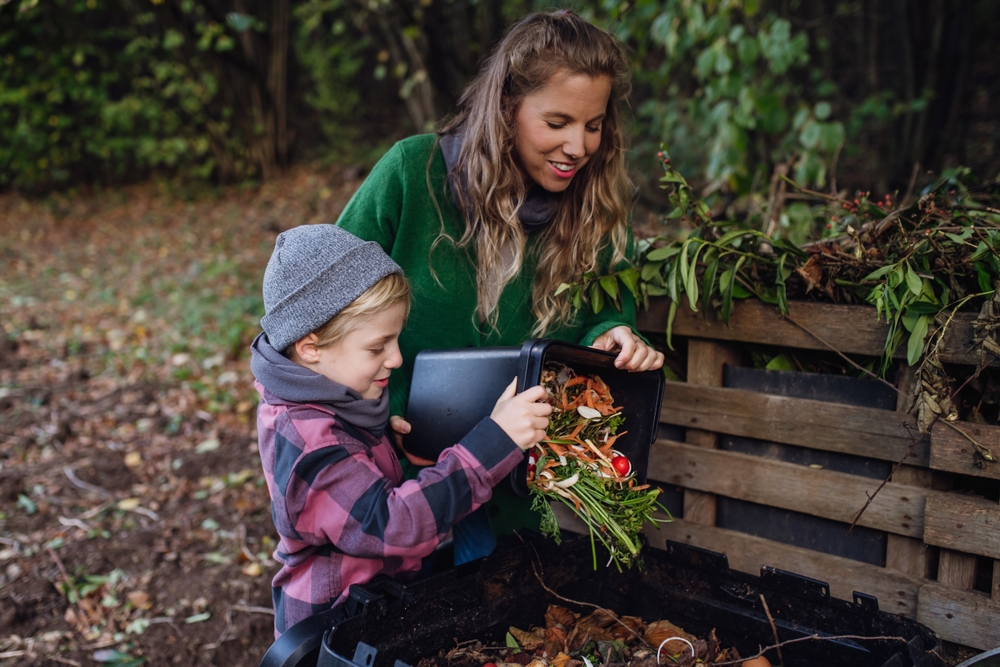
Fall cleanup often leaves you with old pallets, and if you have two or three, you’ve basically got a compost bin waiting to happen. Stand them upright in a U-shape, secure them with rope or wire, and you’ve got a sturdy, open-air compost system. The gaps in the wood slats keep oxygen circulating, while the pallet sides prevent your pile from spilling everywhere. This setup works great for larger yards with big leaf piles. Over time, it breaks down beautifully—and you’ll feel like you built something straight out of a DIY dream.
5. The Garbage Can Composter
You probably have an old trash can that’s seen better days—time to give it a second life. Drill several holes in the sides and bottom to allow for ventilation and drainage, then fill it with alternating layers of brown and green material. Every few days, give it a shake or a spin to mix things up. The sealed container keeps pests out and smells in, making it a tidy option for small spaces. It’s fast, efficient, and proves that one person’s “trash” can literally become another person’s treasure.
6. The Leaf and Stick Heap
Sometimes the simplest method is the best one. Pile up a thick base of sticks, twigs, and branches—this allows airflow from underneath. Then, add alternating layers of dry leaves and moist green material. Sprinkle some water on top to kickstart decomposition, and nature will handle the rest. It’s not fancy, but it’s effective—and it’s the perfect project for anyone who wants to compost without a single tool or container.
7. The Cardboard Box Bin
Got leftover boxes from fall deliveries? Don’t toss them—transform them. Cardboard is biodegradable, carbon-rich, and a great temporary compost container. Fill it with shredded leaves, small twigs, and veggie scraps, and let the cardboard walls slowly break down along with the contents. This method is ideal for renters or anyone who wants a low-commitment compost setup. Just place it somewhere dry and out of the rain, and you’ll be surprised how well it holds up while nature works its magic.
8. The Pumpkin Patch Pile
Here’s a festive twist for the fall season: turn your old pumpkins into compost starters. Once your jack-o’-lanterns start to sag, toss them into a small pile with leaves, stems, and yard clippings. Pumpkins are rich in nitrogen, which helps balance out dry fall material and speeds up decomposition. Smash them up a bit to help the process along, and in a few weeks, you’ll see the pile transforming before your eyes. It’s a fun, seasonal way to say goodbye to Halloween while giving back to the earth.
Turning Waste Into Wealth
Fall yard cleanup doesn’t have to end with dozens of heavy bags by the curb. With a little creativity and almost zero investment, you can turn all that seasonal clutter into nutrient-rich compost that’ll feed your garden for months to come. Whether you use logs, pallets, leaves, or even pumpkins, the result is the same—less waste, healthier soil, and a greener footprint. So the next time you’re buried under a pile of leaves, don’t dread it—use it.
Have you tried any of these compost bin ideas or invented your own? Share your stories, tips, or compost wins in the comments below.
You May Also Like…
7 Composting Tricks That Only Work in Autumn
How to Turn Fallen Leaves Into Black Gold Compost
How to Turn Fallen Leaves Into Black Gold Compost
9 Fall Garden Pests That Arrive Out of Nowhere
7 Easy Raised Bed Fixes for Fall Maintenance

Brandon Marcus is a staff writer for FrugalGardening.com at District Media, Inc., where he delivers practical gardening advice with a relatable, no-nonsense style. An avid amateur gardener, he holds a BA degree and with over ten years of professional writing experience, he is also an award-winning published author whose first book, Questions For Deep Thinkers, was released by Adams Media. His work has appeared in major publications including Fandom.com, CHUD.com, TheColdWire.com, and Fansided.com.
Leave a Reply