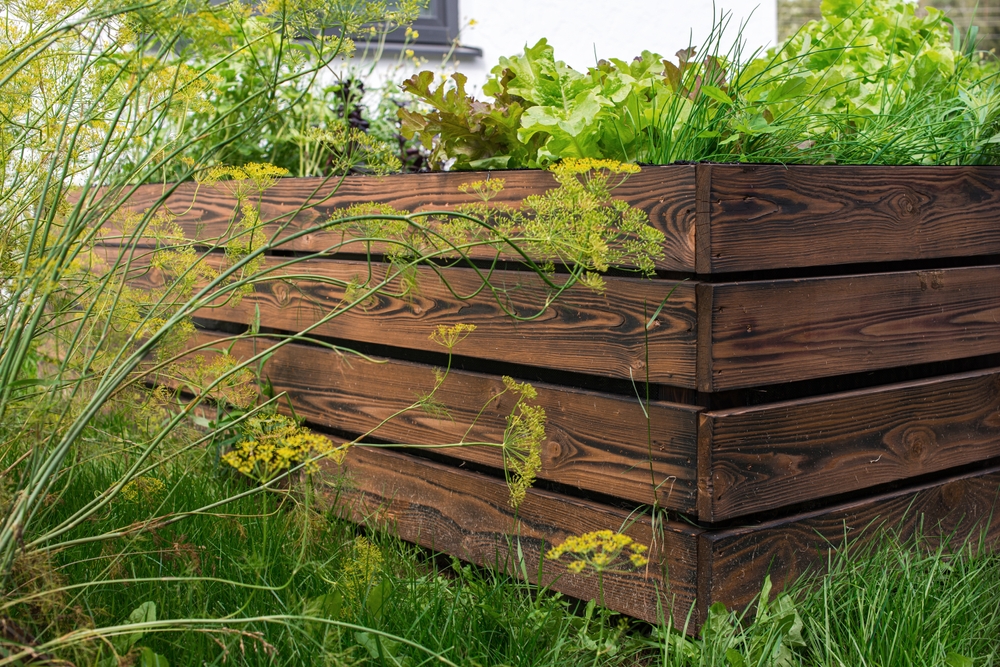
Raised beds do not need an expensive autumn makeover. A little cleanup, some strategic soil care, and a few inexpensive materials can leave those beds in much better shape when spring rolls around.
The trick involves doing the jobs that actually matter instead of buying a cartload of products with pictures of suspiciously perfect tomatoes on the bags. Fall offers a useful window to remove problems, protect the soil, and make next season’s planting easier, often with materials already sitting around the yard. Here are seven budget-friendly tasks worth tackling before winter settles in.
1. Pull Out Finished Plants Before They Become Winter Hotels
Once tomatoes, beans, cucumbers, and other vegetables finish producing, remove the old plants instead of letting a jungle of stems collapse across the bed. Healthy plant material can go into a properly managed compost pile, while plants with obvious disease symptoms deserve a trip to the trash rather than the compost heap. Diseases such as powdery and downy mildew can persist in plant debris, giving next season’s garden an unnecessary head start on trouble.
Take a few extra minutes to remove fallen fruit, large piles of leaves, and weeds from the soil surface. Weeds can drop seeds, and plant debris can shelter insects and pathogens through winter, so a modest cleanup now can save considerably more work later.
2. Check the Soil Before Buying Anything
Fall makes a handy time to look closely at the soil instead of automatically dumping compost or fertilizer onto it. A simple soil test can reveal whether the bed actually needs nutrients or whether the garden center can keep its bags of amendments for someone else. University of Minnesota Extension recommends testing established raised beds about every two to three years and using the results to guide compost and fertilizer applications.
That matters because more compost does not automatically mean better soil. Repeated heavy applications can increase phosphorus and soluble salts, creating problems for plants rather than solving them, so spend money according to the test instead of garden-center enthusiasm.
3. Top Up Settled Soil, But Do Not Rebuild the Bed
Raised-bed soil naturally settles as organic matter breaks down, roots disappear, and the seasons do their thing. If the soil level has dropped noticeably, add a modest amount of quality topsoil or compost rather than replacing the entire contents of the bed. A good raised-bed mix generally combines topsoil with plant-based compost, while excessive compost can create nutrient and salt issues.
Resist the temptation to turn the bed into a construction project every autumn. Permanent raised beds need little or no tillage, and repeatedly disturbing soil can damage soil aggregates and contribute to longer-term compaction problems.
4. Fix the Bed Edges While the Weather Cooperates
Loose boards, leaning corners, and gaps along raised-bed walls rarely improve during winter. Walk around each bed and check for warped boards, loose screws, rotting sections, or places where soil spills into the pathways. Small repairs now can prevent a much larger soil avalanche after spring thaw and heavy rain.
A repair does not always require a trip to the hardware store. Reuse sound lumber or hardware when practical, tighten existing fasteners, and reinforce only the sections that actually need attention. Shorter boards tend to resist warping and breaking better than very long boards, which makes thoughtful repairs more useful than simply adding more material.
5. Add a Protective Layer Instead of Leaving Bare Soil
Bare soil spends winter taking hits from rain, wind, and temperature swings, so give it some protection. A layer of clean organic mulch, such as chopped leaves or clean straw, can help cover the surface and reduce erosion while adding organic material as it breaks down. Gardeners should keep thick, wet layers away from plant crowns when perennial crops remain in the bed.
Chopped leaves make an especially attractive budget option because autumn often delivers them free of charge. Avoid piling thick mats of whole leaves onto the soil, since they can shed water and restrict airflow as they pack together. For gardeners who plan to grow cool-season crops through fall, keep the mulch strategy flexible and avoid burying living plants under an unnecessary blanket.
6. Try a Cheap Cover Crop Where It Makes Sense
An empty raised bed does not have to sit bare until spring. Cover crops can protect soil, suppress weeds, absorb excess moisture, and contribute organic material, with oats offering one affordable option for gardeners who can establish them early enough.
The important part involves choosing a crop that fits the timing and the next planting plan. Some cover crops survive winter and require management in spring, while oats can provide useful fall growth and then break down relatively quickly after winter in colder regions. If a cover crop sounds like more work than the garden needs, mulch provides a simpler alternative.
7. Keep a Tiny Garden Record for Next Spring
Before closing the gate on the season, write down what grew where. Note which bed held tomatoes, peppers, beans, squash, or other crops, because crop rotation can help reduce disease pressure and makes next year’s planning much less mysterious. University of Minnesota Extension recommends avoiding the same plant family in the same raised bed for several years when practical.
A scrap of paper, a phone note, or a basic sketch can do the job without spending a penny. Marking disappointing varieties, unusually productive spots, pest problems, and empty spaces also turns next spring’s planning session into a quick reference instead of a memory test.
Give the Raised Beds a Head Start
The best fall raised-bed preparation rarely requires a glamorous shopping list. Cleaning out diseased plants, testing soil, making targeted repairs, protecting bare soil, and recording crop locations all cost little compared with rebuilding a neglected bed in spring. Even better, these jobs focus attention on the parts of the garden that actually influence next season’s workload.
A raised bed should enter winter tidy, protected, and ready for whatever comes next, not buried under unnecessary products and complicated projects. Spend where the soil test or structural repairs justify spending, reuse what the yard already provides, and let simple preparation do the heavy lifting.
What is the one fall raised-bed task that makes the biggest difference in your garden?
You May Also Like…
Can You Move a Raised Bed Without Replacing All the Soil?
Can Crushed Oyster Shells Help Garden Soil?
7 Soil Amendments You May Find Discounted in Late Summer
Can a Garden Bed Pay for Itself? A Realistic Cost Breakdown
What Should You Do With Garlic Beds After Harvest?

Brandon Marcus is a staff writer for FrugalGardening.com at District Media, Inc., where he delivers practical gardening advice with a relatable, no-nonsense style. An avid amateur gardener, he holds a BA degree and with over ten years of professional writing experience, he is also an award-winning published author whose first book, Questions For Deep Thinkers, was released by Adams Media. His work has appeared in major publications including Fandom.com, CHUD.com, TheColdWire.com, and Fansided.com.
Leave a Reply