Blanching does more than prepare vegetables for the freezer. A quick dip in boiling water can soften harsh flavors, tame bitterness, loosen tough textures, and make certain garden vegetables taste noticeably more pleasant at the table. It sounds like a small cooking trick, but the difference can be surprisingly dramatic.
The key lies in timing. Blanching should not turn garden-fresh vegetables into limp, overcooked casualties of the kitchen. Instead, gardeners can use a brief cooking step followed by cold water to stop the heat, preserving the vegetable’s color, texture, and much of its fresh character. For some crops, that little bit of extra effort can turn a vegetable that gets pushed aside into one that disappears from the serving bowl.
1. Broccoli Gets Milder and More Tender
Broccoli can develop a stronger, more sulfurous flavor when gardeners cook it too long, while a short blanch can soften its flavor without destroying its pleasant crunch. Cut the heads into similarly sized florets so they cook evenly, then drop them into boiling water for roughly two to three minutes.
Move the florets immediately into ice water once they reach the desired tenderness, then drain them thoroughly before serving or finishing them in another dish. This quick heat followed by rapid cooling helps broccoli keep its appealing green color and prevents carryover cooking. It also works especially well before roasting, sautéing, stir-frying, or freezing. Avoid leaving broccoli in boiling water until it becomes soft and dull, because that approach can produce the exact mushy texture that makes broccoli unpopular at dinner. A quick blanch gives the vegetable a gentler flavor while leaving enough structure for a satisfying bite.
2. Green Beans Lose Their Raw Edge
Fresh green beans often taste fantastic straight from the garden, but some pods carry a grassy, slightly raw flavor that can overwhelm delicate dishes. Blanching gives those beans a quick introduction to heat, which softens that raw edge while keeping the pods pleasantly crisp.
Trim the ends, then place the beans in boiling water for about three minutes before transferring them to ice water. The cold bath stops the cooking process and helps the beans retain their bright appearance instead of drifting toward olive green. After draining, green beans can go directly into a salad, skillet, casserole, or simple dish with butter and herbs. The trick works best with fresh, firm beans, since older pods may remain stringy even after blanching. When a garden produces more beans than one meal can handle, blanching also provides a useful first step before freezing them.
3. Kale Becomes Less Bitter
Kale can bring plenty of nutritional value to the plate, but some varieties also bring a distinctly assertive flavor that does not appeal to every palate. A short blanch can mellow some of that bitterness and soften the leaves, making them easier to use in soups, pasta dishes, sautés, and other recipes.
Strip the leaves from thick stems if the stems seem tough, then place the leaves in boiling water for roughly one to two minutes. Drain them and plunge them into ice water, then squeeze out excess moisture before chopping or cooking them further. This technique works particularly well with mature leaves that have developed a stronger flavor than the tender young greens harvested earlier in the season. Gardeners should still expect some bitterness because blanching cannot magically turn a robust kale variety into lettuce. It simply takes the volume down a notch, which can make the vegetable much friendlier at the dinner table.
4. Brussels Sprouts Can Lose Their Harshness
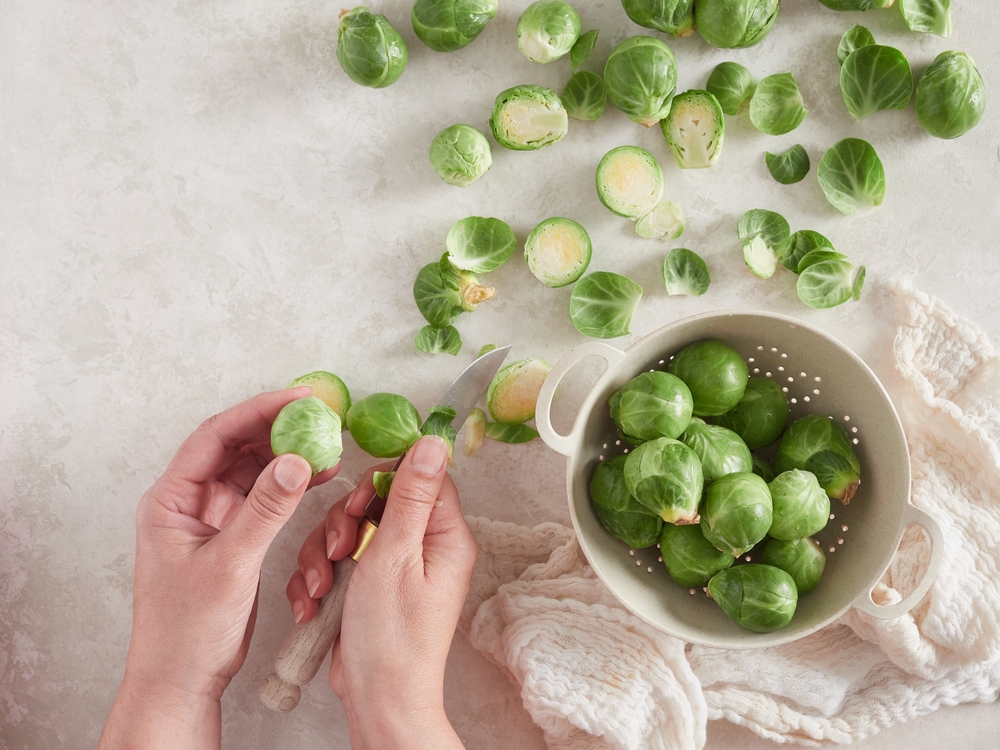
Brussels sprouts sometimes get blamed for their strong reputation, but cooking technique deserves some of that blame. A brief blanch can soften the dense centers and mellow the sharp flavor before the sprouts meet a hot skillet, roasting pan, or grill.
Trim the stem ends and remove any damaged outer leaves, then blanch the sprouts for several minutes depending on their size. Smaller sprouts need less time, while large whole sprouts may need a little longer to soften through the center. Transfer them to ice water immediately afterward if another cooking step will follow, then drain them well so excess water does not interfere with browning. For especially large sprouts, cutting them in half after blanching can help the centers cook evenly while giving the cut sides more surface area for roasting. That combination of gentle blanching and aggressive finishing heat can turn a famously polarizing vegetable into something crisp, savory, and surprisingly sweet.
5. Cabbage Gets Sweeter and Softer
Cabbage does not need much help, but blanching can make tough leaves more tender and soften the raw, peppery character of freshly harvested heads. The technique works particularly well with cabbage destined for stuffed leaves, stir-fries, soups, or dishes where a softer texture makes sense.
Separate the leaves when possible and blanch them briefly in boiling water until they become flexible but not floppy. Remove them with tongs and cool them quickly under cold water, especially if another cooking step will follow. Blanching also makes individual leaves easier to fold around fillings without tearing, which explains why the technique appears in many stuffed-cabbage preparations. Avoid prolonged boiling, because cabbage can develop a stronger sulfurous aroma as cooking continues. A quick blanch keeps the vegetable’s character intact while taking the rough edge off its raw texture and flavor.
6. Asparagus Gets Tender Without Losing Its Fresh Character
Asparagus has a short window between crisp and tender, which makes blanching a handy way to control its texture. A quick dip in boiling water can soften the stalks while preserving the fresh, grassy flavor that makes spring asparagus so appealing.
Snap or trim the woody ends, then blanch the stalks for roughly two to four minutes depending on thickness. Thin spears need less time, while thick spears require more heat to reach a pleasant texture throughout. Transfer the asparagus to ice water if the cooking needs to stop immediately, then drain it well before serving or finishing it in a skillet. Blanching works especially nicely before grilling or roasting because the heat has already begun tenderizing the stalks. The result should taste fresh rather than boiled, with enough firmness left to keep each spear interesting.
The Blanching Trick Worth Keeping
Blanching works best when gardeners treat it as a quick adjustment rather than a full cooking method. Boiling water should soften the vegetable just enough to improve its texture and mellow its flavor, while cold water should stop the cooking before the vegetable loses its character.
Which garden vegetable has surprised you most after a quick blanch, and what recipe made the difference? Share the trick in the comments.
You May Also Like…
5 Vegetables That Can Handle a Shadier Summer Corner
Why Grass Clippings Can Carry Herbicide Into Vegetable Beds
10 Vegetables That Give the Best Return for Small Gardens
5 Reasons Tabletop Vegetable Gardens Work Well for Renters
10 Ways to Keep Outdoor Pots From Cracking in a Hard Freeze

Brandon Marcus is a staff writer for FrugalGardening.com at District Media, Inc., where he delivers practical gardening advice with a relatable, no-nonsense style. An avid amateur gardener, he holds a BA degree and with over ten years of professional writing experience, he is also an award-winning published author whose first book, Questions For Deep Thinkers, was released by Adams Media. His work has appeared in major publications including Fandom.com, CHUD.com, TheColdWire.com, and Fansided.com.
Leave a Reply