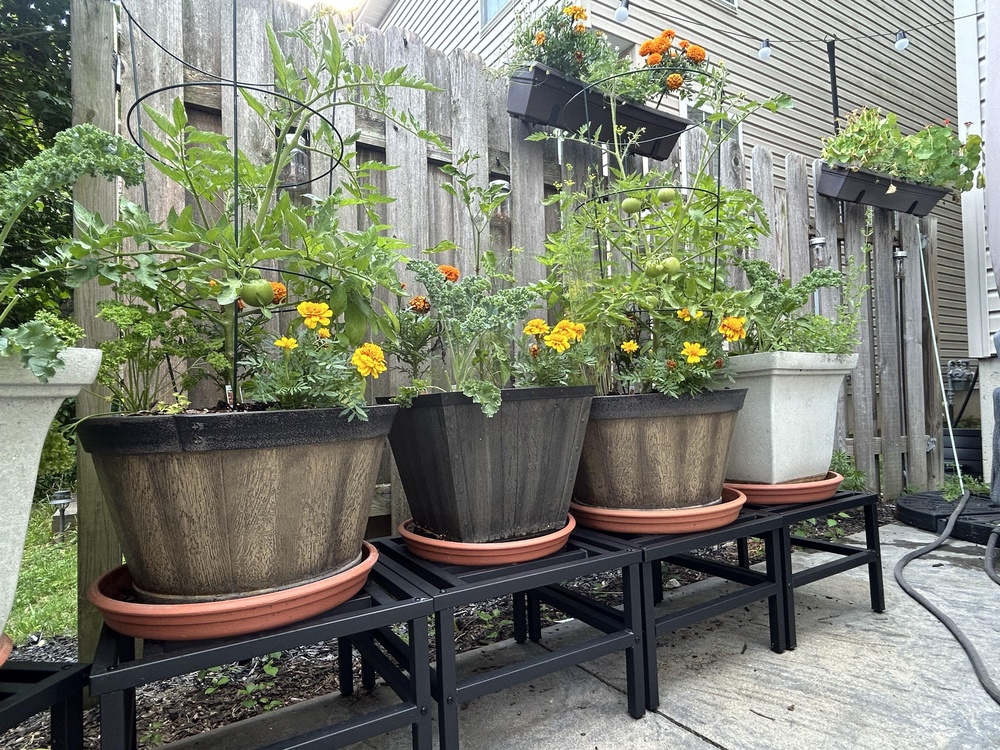
Patio containers do not have to choose between looking good and putting food on the table. Instead of filling every empty pot with another ornamental annual, gardeners can tuck edible plants into those sunny spaces and get flowers, foliage, fruit, or fresh herbs in return. The trick involves choosing plants that enjoy container life and still look attractive enough to earn prime real estate beside the patio chair.
That opens up some surprisingly fun possibilities. A pot of basil can look lush and fragrant, a pepper plant can produce colorful fruit that doubles as decoration, and a trailing nasturtium can spill over the edge like it owns the place. With the right choices, those formerly empty containers can become a miniature edible garden that looks intentional rather than like a vegetable patch that wandered onto the patio.
1. Nasturtiums Bring Flowers, Color, and a Peppery Bite
Nasturtiums make an especially charming replacement for ordinary patio annuals because they provide flowers while also offering edible leaves and blossoms. Depending on the variety, plants can stay relatively compact or trail gracefully over the side of a container, making them useful for pots, window boxes, and hanging baskets. Their round leaves add a distinctive shape, while flowers often appear in warm shades such as yellow, orange, and red. The flowers and leaves have a peppery flavor that works nicely in salads, sandwiches, and other fresh dishes. They also prefer good light and reasonably well-drained soil, so a sunny patio can suit them nicely.
One important detail separates nasturtiums from many conventional container flowers: fertilizer restraint matters. Rich soil and heavy feeding can encourage lots of leaves at the expense of flowers, which defeats the whole reason for putting this colorful plant on display. Allow the soil to dry somewhat between waterings, while avoiding prolonged drought that leaves the plant limp and miserable. Gardeners should also confirm that the flowers have grown without pesticides or other products unsuitable for edible crops before adding them to food. A trailing nasturtium spilling from a pot can look ornamental enough for the front row while quietly moonlighting as a salad ingredient.
2. Basil Turns a Sunny Pot Into a Fragrant Herb Garden
Basil has a strong case for patio duty because it combines useful foliage with a handsome, full appearance. Sweet basil can fill a container with lush green leaves, while purple-leaved varieties add another layer of visual interest without sacrificing their culinary purpose. The plant prefers warm conditions, plenty of sunlight, and consistently moist but well-drained soil, making a sunny container a natural fit. Regular harvesting encourages fresh growth, and pinching flower buds can help keep the plant focused on producing leaves rather than switching its attention to seed production. That creates a wonderfully practical arrangement where the plant looks good and supplies an ingredient whenever pasta, pizza, pesto, or a tomato salad needs help.
Container basil does need a little more attention than a decorative annual that simply sits there looking pretty. Small pots can dry quickly during hot weather, so checking the soil regularly matters more than following a rigid watering calendar. A container with drainage holes also prevents excess water from lingering around the roots. Basil dislikes cold temperatures, so it belongs outdoors during warm weather rather than during a surprise chilly spell. A handsome pot of basil can therefore replace a seasonal filler while offering something considerably more useful than a flower that cannot garnish dinner.
3. Compact Peppers Add Ornamental Fruit to the Patio
Peppers can make excellent container plants because their fruits often look like little decorations hanging from the foliage. Compact varieties produce peppers in different shapes and colors, including fruits that change color as they mature, giving the plant an evolving display throughout the season. Many pepper plants prefer full sun, warm conditions, and fertile soil with good drainage, all qualities that a well-positioned patio container can provide. A sturdy pot also gives the plant room to develop without forcing it into the crowded conditions of a small garden bed. The biggest advantage arrives at harvest time, when the decoration becomes dinner.
Choose a variety according to the container’s size and the desired heat level rather than grabbing the first pepper plant at the garden center. Some peppers stay relatively compact, while larger plants can need support once they carry a heavy crop. Containers also require regular watering because roots cannot reach moisture deep underground when the pot dries out. Consistent moisture matters particularly during hot weather, although soggy soil can create its own problems. For patios that need a little visual drama, colorful peppers offer an unusually good combination of ornamental appeal and edible payoff.
4. Dwarf Tomatoes Can Make a Pot Pull Double Duty
A compact tomato can turn an otherwise empty patio corner into a productive focal point. Dwarf and patio-friendly varieties can grow successfully in containers when gardeners provide adequate pot size, strong sunlight, regular moisture, and suitable support when needed. Tomato foliage has a familiar garden look, while clusters of ripening fruit add their own changing colors as the season progresses. Cherry tomatoes often work especially well in containers because their smaller fruits suit casual snacking and frequent harvesting. Even better, the plant can provide a visual display that feels far removed from the usual plastic pot of seasonal flowers.
Tomatoes do ask for more attention than nasturtiums or basil, so placement deserves some thought. A container should have drainage holes, and the plant needs a reliable source of sunlight rather than a dim corner that receives a brief glimpse of afternoon light. Watering should keep the root zone reasonably consistent instead of swinging from bone-dry to waterlogged. Gardeners should also choose a container large enough for the selected variety and follow the plant’s support requirements as it grows. The reward comes when those bright little tomatoes begin appearing, because a patio plant suddenly becomes part of lunch.
5. Strawberries Turn Hanging Space Into an Edible Display
Strawberries can bring a completely different look to patio containers because their leaves, white flowers, and red fruit create a miniature seasonal show. Compact plants work particularly well in hanging baskets, strawberry pots, window boxes, and other containers where their growth can spill outward. They prefer plenty of sunlight and well-drained soil, and containers offer gardeners an easy way to keep the fruit elevated above the ground. That can make harvesting simpler while giving the plants a tidy place in a patio arrangement. Few things beat reaching beside a patio chair and finding a ripe strawberry waiting there.
Container strawberries need regular attention because their limited root space can dry faster than garden soil. Water the plants when the growing medium begins to dry, but avoid keeping the roots constantly saturated. Removing ripe berries promptly can encourage continued harvesting, while damaged or rotting fruit should leave the container before it attracts unwanted pests. Gardeners also need to protect containers from extreme winter conditions in climates where strawberries cannot survive exposed above ground. With sensible care, however, strawberries can replace an ordinary patio annual with something that offers flowers first and snacks later.
Give Empty Pots a Job Worth Doing
Edible patio plants do not need to look like miniature farm crops, and that distinction makes them especially useful for decorative spaces. Nasturtiums provide flowers, basil supplies fragrant foliage, peppers contribute colorful fruit, compact tomatoes bring clusters of produce, and strawberries combine flowers with an irresistible harvest. Each plant still needs the basics, including appropriate light, drainage, watering, and a container suited to its growth habit. Choosing varieties specifically suited to containers can prevent a promising patio project from turning into a wrestling match with an oversized plant. Most importantly, these plants give empty pots a purpose beyond simply filling space.
The best patio arrangements can mix edible plants with traditional ornamentals instead of treating the two as rivals. A colorful pepper can sit beside a flowering annual, while basil can fill a sunny pot near the kitchen door and a trailing nasturtium can soften the edge of a planter. That approach creates a patio that looks layered, colorful, and inviting while quietly producing ingredients throughout the growing season.
Before eating flowers or foliage, always verify that the plant variety is edible and that no ornamental pesticides or treatments make the plant unsuitable for consumption. Why leave a perfectly good patio pot empty when it could grow something beautiful enough to admire and delicious enough to harvest?
You May Also Like…
Why Are More Gardeners Treating Dandelions as Edible Crops?
Why Are Gardeners Growing Skirret and Other Forgotten Edibles?
8 Edible Flowers That Can Bridge the Gap Between Summer and Fall
Can Shade-Loving Edibles Lower Your Garden’s Water Needs?
Why So Many Homeowners Are Replacing Shrubs With Edible Plants

Brandon Marcus is a staff writer for FrugalGardening.com at District Media, Inc., where he delivers practical gardening advice with a relatable, no-nonsense style. An avid amateur gardener, he holds a BA degree and with over ten years of professional writing experience, he is also an award-winning published author whose first book, Questions For Deep Thinkers, was released by Adams Media. His work has appeared in major publications including Fandom.com, CHUD.com, TheColdWire.com, and Fansided.com.
Leave a Reply