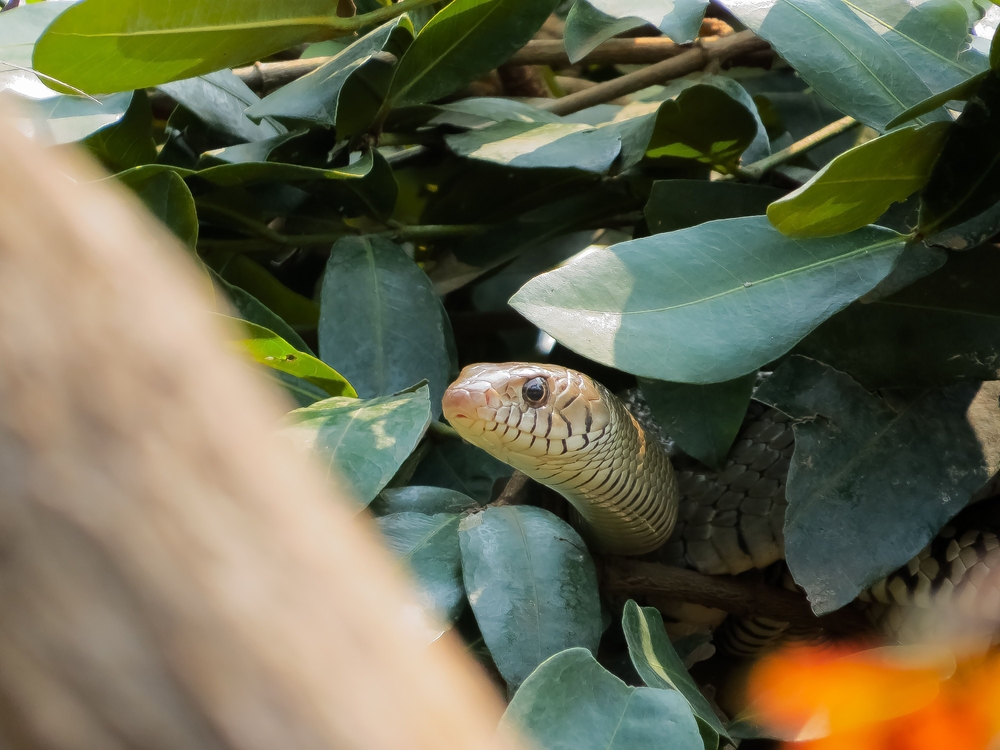
A snake sliding through the garden can turn a peaceful morning of tomato picking into a full-blown staring contest. But before grabbing a shovel or sprinting for the shed, take a breath: many snakes provide useful pest control by eating mice, voles, insects, frogs, and other small animals. In fact, some gardeners have a perfectly good predator working the night shift without ever sending an invoice.
That does not mean every snake deserves a cheerful welcome sign beside the raised beds. Some species carry venom, and even a harmless snake can startle someone who reaches beneath a board or into a dark patch of vegetation without looking first. The trick involves knowing when a snake represents a helpful part of the garden ecosystem and when it creates a genuine safety concern.
A Snake Can Actually Be Good News for the Garden
Snakes often follow the food chain, which means a garden with plenty of mice, voles, frogs, insects, or other prey can attract them naturally. Several snake species eat rodents that can damage plants, chew roots, raid stored produce, or create little tunnels beneath garden beds. Voles, in particular, serve as prey for snakes along with hawks, owls, weasels, foxes, and other predators.
That makes a nonvenomous snake an intriguing ally rather than an automatic garden villain. A gardener who spots a garter snake weaving through mulch may simply be watching a predator patrol for its next meal, while a larger rodent-eating snake can target mice that otherwise enjoy the garden buffet. The snake does not care whether the vegetables belong in a salad or whether someone spent all Saturday weeding them, which makes its pest-control strategy wonderfully uncomplicated.
The Big Question: What Kind of Snake Is It?
Identification matters because snakes vary enormously in behavior, diet, and risk. Color alone does not always provide a reliable answer, since harmless and venomous species can share similar patterns, and people often misidentify snakes when they catch only a quick glimpse. Regional field guides, local wildlife agencies, and reputable extension resources can help match the snake’s appearance and location with the species found in that area.
Gardeners should take extra care around any snake they cannot confidently identify, particularly in regions that support venomous species. Instead of leaning closer for a better look, keep a safe distance and let the snake move away. A camera with a zoom lens makes a much better identification tool than a hand, boot, or garden trowel, and the CDC recommends avoiding contact with snakes and using caution around places where they may hide.
When a Garden Snake Deserves More Caution
A snake deserves immediate caution when it displays characteristics associated with a venomous species in the local area, especially when it appears near a walkway, play area, porch, or another place where people regularly move. Gardeners also should use extra care when they work around woodpiles, rock piles, dense vegetation, fallen logs, sheds, and other hiding spots because snakes can use these areas for shelter. Reaching blindly into a dark hole or beneath a board creates exactly the kind of surprise encounter nobody wants.
Pets and children also change the equation because they may approach a snake before an adult notices it. If a snake appears in a frequently used area, keep people and pets away and give the animal room to leave rather than attempting to corner or capture it. If a snake bites someone, keep the person calm and still, seek emergency medical care promptly, and avoid home remedies such as cutting the wound or attempting to remove venom.
Making the Garden Less Appealing Without Declaring War
Gardeners who prefer fewer snake encounters can make the landscape less attractive to both snakes and their prey. Removing piles of debris, reducing dense cover around buildings, keeping grass managed, and storing firewood away from structures can reduce the hiding places that snakes and rodents use. Addressing a mouse or vole problem can also remove the food source that encourages rodent-eating snakes to hang around.
That approach works better than reaching for a mystery snake repellent and hoping for botanical magic. Penn State notes that the effectiveness of some commercial snake repellents remains inconclusive, while habitat modification offers a more practical way to make an area less attractive. The goal does not require turning the yard into a sterile patch of lawn, either, because gardeners can keep beneficial habitat while simply moving dense cover, debris, and rodent-friendly hiding spots away from high-traffic areas.
Give Helpful Snakes Space, Not a Welcome Mat
A nonvenomous snake passing through the vegetable garden usually needs remarkably little from the gardener: space. Letting it move along allows a predator to continue hunting while the gardener avoids an unnecessary confrontation. Many snakes prefer to escape rather than fight, and giving them a clear route away can turn a dramatic garden sighting into a very short wildlife encounter.
That philosophy also fits a healthy garden ecosystem, where predators, prey, insects, amphibians, birds, and plants constantly interact. A snake does not need to become a beloved garden mascot, and nobody needs to invite one onto the patio for coffee, but there is plenty of room between admiration and panic. The smartest response often comes down to three things: identify the snake when possible, keep a safe distance, and change the habitat if repeated encounters create a problem.
The Garden Rule Worth Remembering
The next time a snake appears between the lettuce and the marigolds, resist the urge to assume the worst. A harmless snake may simply have followed its dinner into the garden, and that dinner could include rodents or other creatures that gardeners would rather not see chewing around the property. At the same time, a gardener should never handle an unfamiliar snake or gamble on identification when a venomous species could occur locally.
Which snake has made an appearance in your garden, and did you leave it alone or try to move it?
You May Also Like…
9 Backyard Habits That Can Accidentally Invite Pests
Which Plant Pairings Naturally Reduce Pests and Improve Yields
7 Backyard Plants Snakes Love to Hide Around
March Bugs That Target Tender New Leaves
Why Stink Bugs Are Suddenly Invading Homes in North Carolina

Brandon Marcus is a staff writer for FrugalGardening.com at District Media, Inc., where he delivers practical gardening advice with a relatable, no-nonsense style. An avid amateur gardener, he holds a BA degree and with over ten years of professional writing experience, he is also an award-winning published author whose first book, Questions For Deep Thinkers, was released by Adams Media. His work has appeared in major publications including Fandom.com, CHUD.com, TheColdWire.com, and Fansided.com.
Leave a Reply