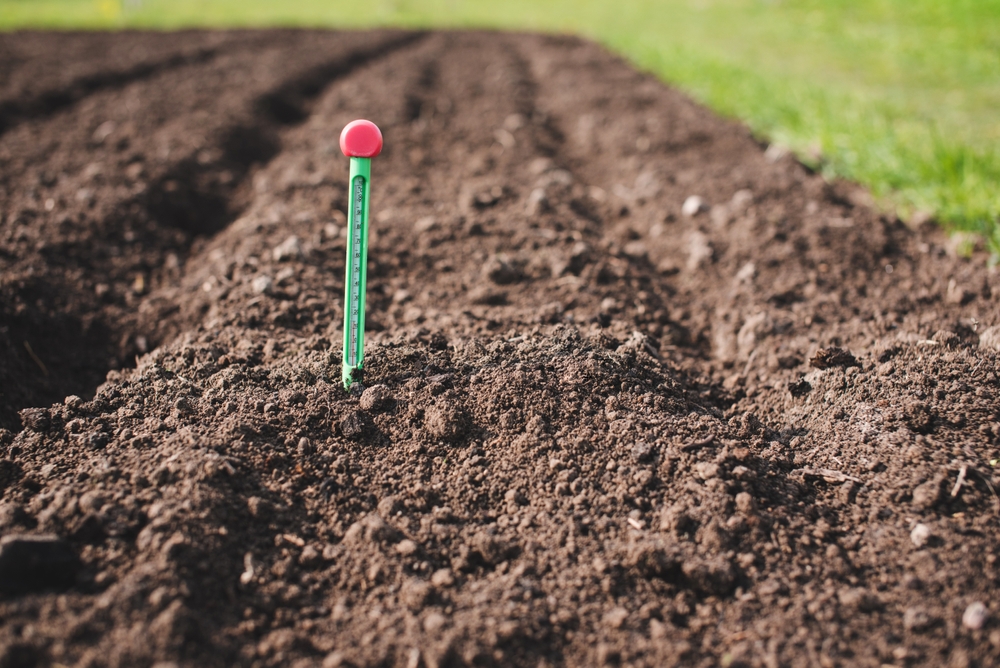
Spring often gets all the glory for seed starting, but plenty of gardeners sow seeds well into summer. That strategy works beautifully until the soil turns into something closer to a heated blanket than a cozy bed for tiny seedlings. Warm soil encourages many crops, but every seed has a comfort zone, and crossing that line can stop germination before it even begins.
Freshly planted seeds cannot move to a cooler spot. They sit exactly where they land, waiting for the right combination of moisture, oxygen, and temperature. Spotting the warning signs early can save valuable seeds, prevent wasted time, and lead to healthier plants once cooler conditions return.
1. The Soil Feels Hot Instead of Warm
A pleasant, slightly warm garden bed usually helps seeds wake up. Soil that feels genuinely hot to a bare hand tells a different story. If touching the surface for several seconds feels uncomfortable, tiny seeds likely feel the heat much more intensely than any gardener does.
Dark soil absorbs sunlight quickly, especially during long summer afternoons. Raised beds heat even faster because air surrounds their sides and bottom. A simple soil thermometer removes all guesswork and gives a much clearer picture than touch alone. Many cool-season vegetables such as lettuce, spinach, and peas struggle once soil temperatures climb too high, while heat-loving crops like beans or squash tolerate much warmer conditions. Checking temperature before sowing often prevents disappointing empty rows a week later.
2. Seeds Refuse to Germinate Even with Plenty of Water
Daily watering usually solves many seed-starting problems, but not every one of them. If the soil stays consistently moist yet nothing sprouts after the expected germination period, excessive warmth deserves serious suspicion. Seeds need moisture, but they also rely on suitable temperatures to activate the internal processes that produce new growth.
Lettuce offers one of the best-known examples. Its seeds often stop germinating when soil temperatures become too high, even though moisture remains perfect. Gardeners sometimes mistake this silence for poor-quality seed and sow another packet, only to repeat the same disappointing result. Waiting for cooler weather or providing afternoon shade often produces much better success than simply watering more.
3. The Soil Surface Dries Out Almost Immediately
Freshly sown seeds need consistent moisture around their seed coats. When the top inch of soil dries only hours after watering, seeds experience repeated cycles of moisture followed by rapid drying. That stressful pattern delays or completely prevents germination.
Hot weather speeds evaporation dramatically, especially during windy conditions. Sandy soils lose moisture even faster than heavier loam. A light layer of clean straw, shredded leaves, or fine compost helps shield the surface from direct sunlight while reducing moisture loss. Watering early in the morning also gives seeds a longer window of favorable conditions before afternoon heat arrives.
4. Existing Seedlings Suddenly Stall
Nearby seedlings often reveal what newly planted seeds cannot say. Young plants that stop growing, wilt during the hottest part of the day, or develop scorched leaf edges may signal that soil temperatures have climbed beyond a comfortable range. Those same harsh conditions create an even bigger challenge for seeds still waiting underground.
Roots perform best within suitable temperature ranges because they handle water and nutrient uptake. Excessively warm soil stresses those roots long before dramatic damage appears above ground. Gardeners sometimes blame fertilizer, insects, or watering habits when rising soil temperatures actually trigger the slowdown. Watching both established seedlings and freshly planted rows provides valuable clues about changing garden conditions.
5. Earthworms and Helpful Soil Life Disappear Near the Surface
Healthy soil stays busy beneath every garden bed. Earthworms tunnel through the ground, beneficial microbes break down organic matter, and countless tiny organisms help create ideal conditions for plant growth. When intense heat drives those helpful workers deeper underground, the surface often becomes noticeably quieter.
Digging a small test hole reveals plenty about soil conditions. A lack of earthworm activity near the surface during prolonged hot spells often accompanies very warm soil. Organic mulch helps moderate temperature swings while creating a friendlier environment for beneficial organisms. Cooler soil supports a healthier underground ecosystem, which ultimately benefits germinating seeds as well.
6. Afternoon Shade Makes an Immediate Difference
One of the easiest clues appears after adding temporary shade. A simple piece of shade cloth, an old patio umbrella, or even a lightweight row cover can noticeably cool the soil within hours. If the soil feels much cooler beneath that protection than it does in full afternoon sun, excessive heat likely interfered with germination.
Many experienced gardeners shift summer seed sowing to areas that receive morning sunshine and afternoon shade. Others plant in the evening so seeds enter cooler soil overnight before facing daytime warmth. These small timing adjustments often outperform extra watering because they address the real problem instead of treating only the symptoms. A little shade can mean the difference between empty rows and healthy young seedlings.
Plant Smarter, Not Hotter
Successful seed starting depends on much more than dropping seeds into the ground and adding water. Soil temperature quietly influences every stage of germination, and paying attention to simple clues prevents frustration before it starts. A thermometer, thoughtful timing, steady moisture, and strategic shade give seeds a much better chance to grow into vigorous plants.
Every season teaches something new in the garden. Sometimes the lesson comes from spectacular harvests, while other times it arrives in the form of a stubborn row of seeds that never sprout. Learning to recognize overly warm soil turns those disappointments into valuable experience and helps every future planting begin on much stronger footing.
What tricks have produced the best germination during hot weather in the garden? Share favorite seed-starting tips in the comments below.
You May Also Like…
Why Do Some Garden Beds Stay Wet Long After a Storm?
Can a Garden Bed Pay for Itself? A Realistic Cost Breakdown
Early Termite Warning Signs Around Garden Beds
How to Prep Garden Beds Without Buying Bagged Mixes
Can Worm Castings Rescue Nutrient-Poor Container Soil?

Brandon Marcus is a staff writer for FrugalGardening.com at District Media, Inc., where he delivers practical gardening advice with a relatable, no-nonsense style. An avid amateur gardener, he holds a BA degree and with over ten years of professional writing experience, he is also an award-winning published author whose first book, Questions For Deep Thinkers, was released by Adams Media. His work has appeared in major publications including Fandom.com, CHUD.com, TheColdWire.com, and Fansided.com.
Leave a Reply