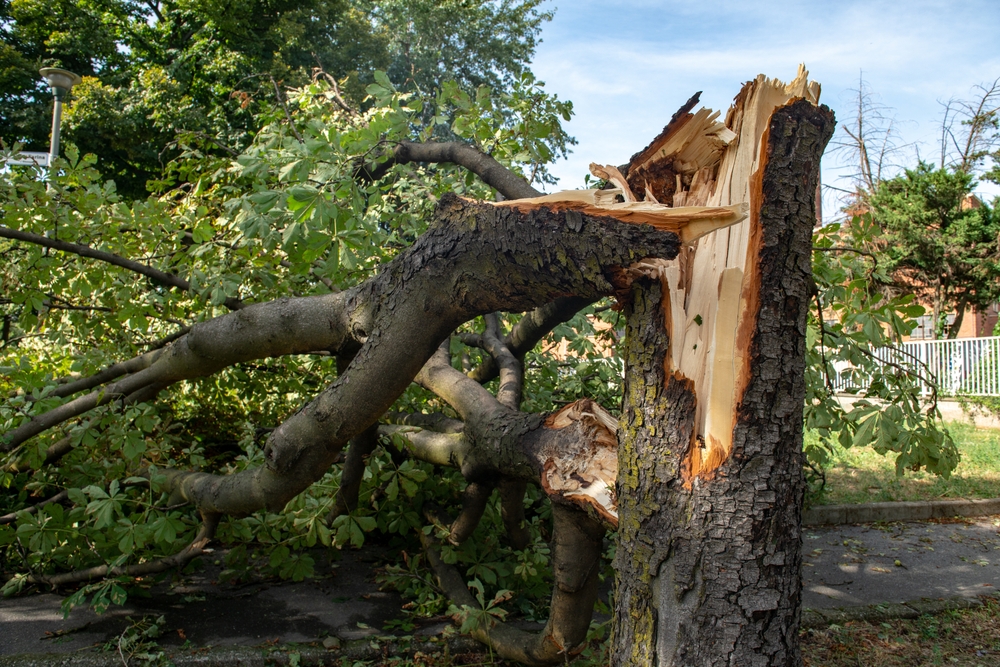
Storms can leave a yard looking like nature hosted a garage sale. Branches scatter across the lawn, leaves pile into soggy drifts, and twigs seem to appear in places that made no sense before the wind arrived. That messy scene might feel overwhelming at first, but it also offers a surprising opportunity for gardeners.
Many of those fallen materials still hold tremendous value. Instead of stuffing everything into bags for the curb, a little creativity can transform storm leftovers into mulch, compost ingredients, pathways, and even new garden structures. A good cleanup can become the first step toward a healthier, more productive garden while saving money on supplies that many garden centers happily sell.
1. Turn Fallen Branches Into Mulch
Freshly fallen branches often become the biggest headache after severe weather, but they also become one of the garden’s best resources. A rented wood chipper or a community chipper program can quickly reduce limbs into useful mulch that helps retain soil moisture and keeps weeds from taking over. Even smaller branches can feed a home chipper if the wood remains free from disease. Fresh wood chips work especially well around trees, shrubs, and perennial beds because they slowly break down over time. Gardeners should keep mulch a few inches away from trunks and stems to prevent excess moisture against the bark.
Not every branch belongs in the chipper. Hardwood pieces with interesting shapes make excellent edging for rustic flower beds or natural garden borders. Larger logs can line pathways or create attractive raised planting areas that blend into the landscape. Straight limbs also become sturdy stakes for tomatoes, peppers, climbing beans, and other vegetables that appreciate extra support during the growing season. Storm cleanup suddenly feels much more rewarding when those scattered branches return to the garden with a new purpose.
2. Build a Better Compost Pile With Storm Leaves
A storm often dumps an incredible amount of leaves into every corner of the yard. Those leaves deserve far more respect than a trip to the landfill because they provide valuable carbon for compost piles. Mixing shredded leaves with fresh grass clippings, vegetable scraps, and other nitrogen-rich materials creates an excellent balance that encourages steady decomposition. Chopping leaves with a lawn mower before composting speeds the process and prevents thick mats from forming.
Leaves also work beautifully as temporary mulch around vegetable gardens during cooler months. A loose blanket helps regulate soil temperature while reducing moisture loss after watering. Oak, maple, birch, and many other common tree leaves decompose into rich organic matter that improves soil texture over time. Gardeners should skip leaves from black walnut trees because they contain juglone, a natural compound that can interfere with the growth of many vegetables and ornamental plants.
3. Create Natural Garden Pathways
Storm debris often includes countless small sticks, bark pieces, pine needles, and wood chips that can become attractive walking paths instead of waste. Spreading these materials over a layer of cardboard creates a simple path that suppresses weeds while providing a soft surface underfoot. The path gradually settles into place and becomes even more comfortable after a few rainstorms.
Pine needles deserve special attention because they knit together surprisingly well and resist washing away during heavy rain. Despite a common myth, they do not dramatically acidify established garden soil when used as pathway material or surface mulch. Bark chunks collected after storms also create a tidy, natural appearance that blends beautifully into woodland gardens. A winding path built from free materials often looks far more charming than one made from expensive landscaping products.
4. Stack Logs Into Wildlife Habitats
Not every fallen log belongs in a firewood pile. Stacking untreated logs in a quiet corner of the yard creates shelter for beneficial creatures such as toads, ground beetles, and native insects that help control garden pests. These simple habitat piles also provide places for fungi and microorganisms to break down wood naturally, returning nutrients to the surrounding soil over time.
Gardeners can also use larger logs in hugelkultur beds, a gardening technique that places decaying wood beneath layers of soil and compost. As the wood slowly decomposes, it stores moisture like a sponge and gradually releases nutrients into the planting bed. Building a hugelkultur mound requires some effort at the beginning, but the long-term payoff includes improved water retention and fertile growing conditions. Rotten or obviously diseased wood should stay out of vegetable beds because unwanted pathogens can linger in damaged material.
5. Save the Strongest Pieces for Garden Projects
Storms often drop surprisingly straight, sturdy branches that deserve a second look before disposal. Thick limbs become attractive bean teepees, cucumber trellises, or decorative arches that support climbing flowers. Their natural shapes add character that manufactured supports rarely match, and they blend effortlessly into the landscape as plants cover them.
Long branches also become simple woven fences, pea supports, or rustic plant markers after a little trimming. Even forked branches can serve as braces for heavy squash vines or fruit-laden tomato plants. Choosing sound wood without signs of decay helps these homemade structures last much longer. Every reused branch saves money while giving the garden a handcrafted appearance that feels authentic instead of store bought.
A Garden Sees Opportunity Where Others See Cleanup
Storm cleanup rarely tops anyone’s list of favorite weekend activities, yet it offers one of the easiest chances to improve a garden with free materials. Fallen branches, leaves, bark, and logs each carry useful potential when gardeners pause before hauling everything away. Smart reuse reduces waste, cuts gardening costs, and adds organic matter that supports healthier soil year after year. Careful inspection still matters because diseased wood, invasive plant material, or chemically treated lumber should never enter compost piles or planting beds. The next time strong winds scatter nature across the yard, the cleanup might feel less like a chore and more like the beginning of the next gardening project.
What creative project has transformed storm debris into something useful in the garden? Let’s hear your favorite ideas and lessons in the comments below.
You May Also Like…
8 Ways to Keep a July Garden Productive Without Buying New Plants
Should You Transplant Volunteer Seedlings During Hot Weather?
Can Biochar Help Sandy Soil Hold Water During Hot Weather?
Why Do Some Garden Beds Stay Wet Long After a Storm?
This Landscaping Trend Is Flooding Basements

Brandon Marcus is a staff writer for FrugalGardening.com at District Media, Inc., where he delivers practical gardening advice with a relatable, no-nonsense style. An avid amateur gardener, he holds a BA degree and with over ten years of professional writing experience, he is also an award-winning published author whose first book, Questions For Deep Thinkers, was released by Adams Media. His work has appeared in major publications including Fandom.com, CHUD.com, TheColdWire.com, and Fansided.com.
Leave a Reply