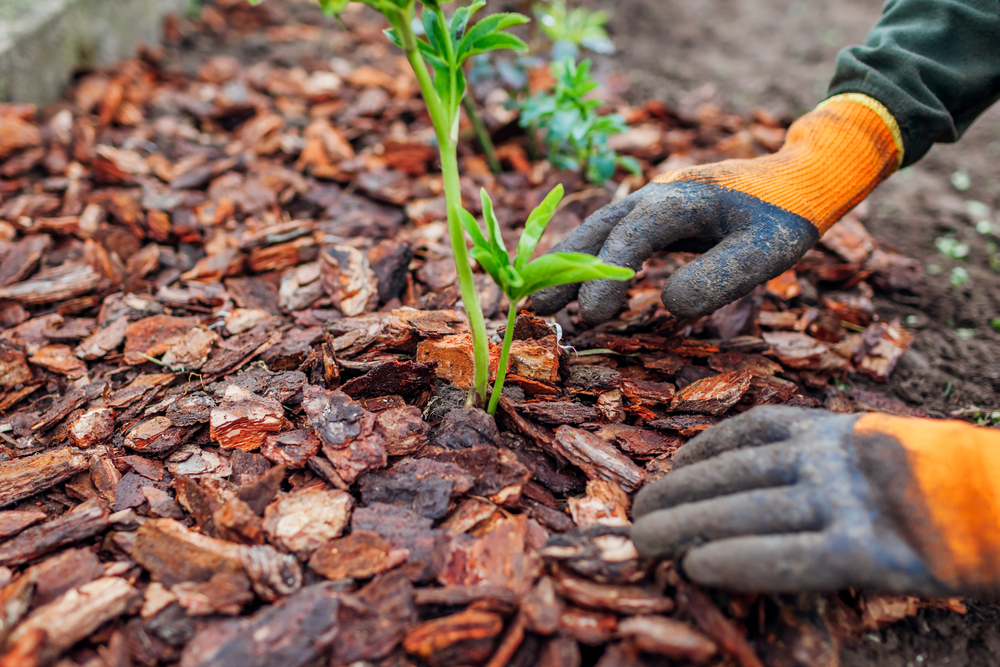
Cheap mulch often looks like a smart way to stretch a gardening budget, but the lowest-priced option sometimes carries the highest hidden cost. Some materials rob soil of nutrients, spread pests, introduce weeds, or even release compounds that stress young plants. Saving a few dollars at the garden center means very little if flower beds or vegetable gardens struggle all season.
Good mulch protects soil, conserves moisture, keeps roots cooler during hot weather, and reduces weeds. Bad mulch creates extra work instead of solving problems. Knowing which bargain materials deserve a place in the garden, and which belong somewhere else, can save money, protect plants, and prevent plenty of frustration.
Fresh Wood Chips Can Cause More Trouble Than They Solve
Fresh wood chips from recently cut trees often tempt gardeners because many tree services give them away for free. While that sounds like a fantastic bargain, freshly chipped wood begins decomposing immediately, and that process demands nitrogen. When gardeners mix those fresh chips into the soil, microbes pull nitrogen away from nearby plants, leaving vegetables and flowers hungry for one of their most important nutrients.
Fresh wood chips also break down unevenly, especially when they contain large amounts of bark, leaves, and green branches. Thick piles may stay soggy after rain while forming dense mats that slow water movement into the soil. Aged wood chips make a much better choice because decomposition has already begun, making them gentler on planting beds while still suppressing weeds effectively.
Hay Often Brings More Weeds Than Protection
Hay and straw may look nearly identical from a distance, but they perform very differently in the garden. Hay contains grass seed because farmers harvest it as livestock feed before the plants finish growing. Every handful can scatter seeds across flower beds, vegetable gardens, and pathways.
Those seeds do not waste any time. After a little rain, gardeners often discover carpets of unwanted grass sprouting through every corner of the mulch layer. Straw, on the other hand, usually contains far fewer seeds because farmers harvest it after grain crops mature. Choosing clean straw instead of inexpensive hay prevents months of pulling stubborn weeds that never appeared before the mulch arrived.
Dyed Mulch Can Hide Unpleasant Surprises
Bright black, deep red, or rich brown mulch certainly grabs attention, but appearance does not always reveal what sits underneath. Some inexpensive dyed mulch comes from recycled construction debris, including old pallets, demolished lumber, or scrap wood. Reputable manufacturers remove treated lumber, but low-quality suppliers sometimes produce mulch with questionable ingredients.
That does not mean every bag of colored mulch belongs on the avoid list. High-quality products made from clean wood remain perfectly suitable for many landscape beds. The safest approach involves buying mulch from trusted suppliers who clearly identify their materials instead of chasing the absolute cheapest option stacked outside a discount warehouse.
Grass Clippings Need Careful Handling
Fresh grass clippings seem like free mulch because every lawn produces them throughout the growing season. Thin layers work surprisingly well around vegetable gardens, adding organic matter while helping soil hold moisture. Trouble begins when thick piles land around plants all at once.
Heavy layers quickly heat up, mat together, and block both air and water from reaching the soil surface. Clippings from lawns treated with herbicides also deserve extra caution because chemical residues may affect sensitive vegetables and ornamentals. Drying clippings for a day or two before spreading thin layers creates a much safer mulch while reducing unpleasant odors and slimy buildup.
Sawdust Can Starve Hungry Plants
Many woodworking shops happily give away bags of sawdust, making it another tempting bargain. Unfortunately, fresh sawdust behaves much like fresh wood chips by tying up nitrogen during decomposition. That becomes especially troublesome around vegetables that demand steady nutrition throughout the growing season.
Certain wood species add another concern. Black walnut contains juglone, a natural compound that can damage tomatoes, peppers, potatoes, and several ornamental plants. Gardeners who cannot identify the wood source should avoid using mystery sawdust altogether. Composting sawdust first or limiting it to garden paths creates far fewer headaches.
Cheap Compost Isn’t Always Finished Compost
Bargain compost sometimes reaches store shelves before it finishes breaking down. Immature compost often smells sour, feels unusually warm, and still contains recognizable chunks of food scraps, leaves, or wood. Instead of feeding plants, unfinished compost continues decomposing in the garden while competing with roots for oxygen and nutrients.
Poor-quality compost may also contain viable weed seeds if producers never reached temperatures high enough to kill them. Gardeners should look for compost with a pleasant earthy smell, dark color, and crumbly texture. Paying slightly more for properly finished compost usually saves countless hours spent fixing problems later.
The Best Bargains Usually Come With a Little Patience
The cheapest mulch does not always become the most expensive mistake, but every bargain deserves a closer look before spreading it across valuable planting beds. Aged arborist wood chips, clean straw, shredded leaves, and finished compost often deliver outstanding results without draining the gardening budget. Those materials improve soil over time instead of creating extra work.
Successful gardeners rarely judge mulch by price alone. They consider where it came from, how it will break down, and whether it matches the plants growing nearby. That simple habit turns mulch into one of the hardest-working tools in the garden instead of another problem waiting to sprout.
What inexpensive mulch has worked well in the garden, and which bargain turned into a lesson learned? Write about your experiences and favorite mulch materials in the comments below.
You May Also Like…
Stop Throwing Away Lawn Clippings: Use “Leaf Litter” as Mulch to Feed Soil and Save Money
7 Common Mulching Mistakes That Kill Plants Fast
Mulching Magic: Budget-Friendly Ways To Conserve Water And Suppress Weeds
Why Mulch Is Essential for Retaining Soil Moisture
Why Mulching Improves Soil Microclimate in Winter

Brandon Marcus is a staff writer for FrugalGardening.com at District Media, Inc., where he delivers practical gardening advice with a relatable, no-nonsense style. An avid amateur gardener, he holds a BA degree and with over ten years of professional writing experience, he is also an award-winning published author whose first book, Questions For Deep Thinkers, was released by Adams Media. His work has appeared in major publications including Fandom.com, CHUD.com, TheColdWire.com, and Fansided.com.
Leave a Reply