A garden does not have to demand constant attention to look vibrant and full of life. Some plants handle dry spells like seasoned survivors, storing water and adapting to tough conditions with impressive resilience. These green champions fit perfectly into busy homes, unpredictable schedules, and forgetful watering habits. Instead of punishing neglect, they turn it into a minor inconvenience.
The right choices can transform a high-maintenance plant collection into a relaxed, forgiving indoor jungle. Here are ten plants that keep going strong even when watering slips the mind.
1. Snake Plant: The Upright Survivor With Serious Attitude
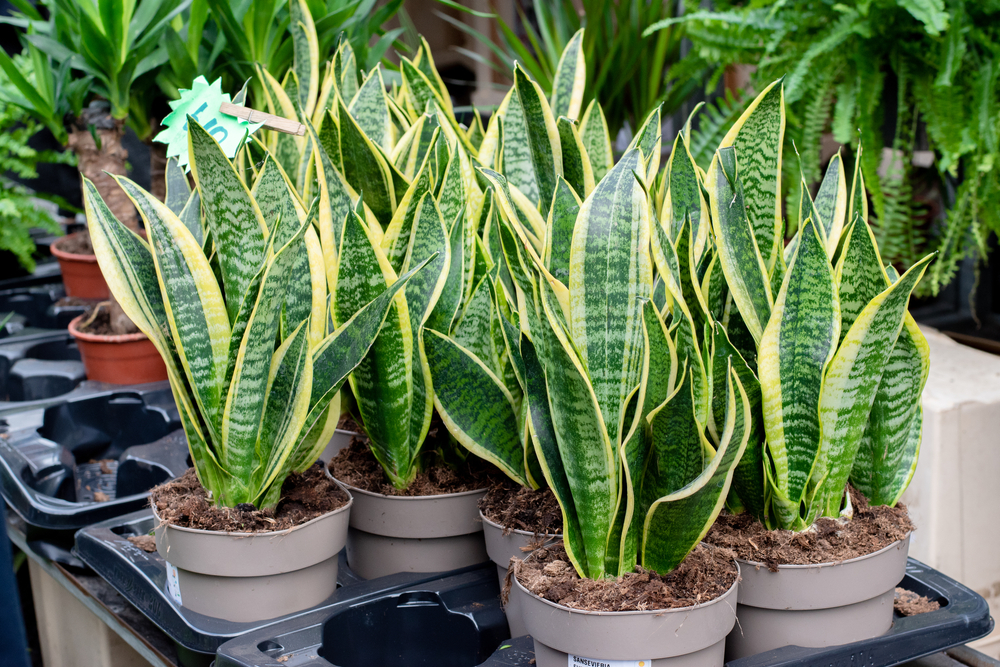
Snake plants bring bold, upright leaves that add structure to any room without demanding constant care. Thick, sword-like foliage stores water efficiently, which helps this plant handle dry soil for long stretches. Bright light or low light both work well, making placement easy and flexible. Overwatering causes more problems than underwatering, so less really becomes more with this plant. Many households rely on it as a dependable green companion that rarely complains.
2. ZZ Plant: The Glossy-Leaved Champion of Neglect
ZZ plants shine with waxy, deep green leaves that reflect light and brighten dull corners. Rhizomes under the soil store water, allowing this plant to survive long periods without irrigation. Dry indoor air and irregular care routines do not slow its steady growth. It tolerates low light conditions that would challenge many other houseplants. This plant suits anyone who wants greenery without a demanding schedule.
3. Pothos: The Easygoing Trailing Favorite
Pothos vines spill gracefully from shelves and hanging baskets, adding movement to indoor spaces. Heart-shaped leaves stay vibrant even when watering schedules fall apart. This plant tolerates dry soil but also adapts quickly when water returns. It grows well in different lighting conditions, from bright indirect light to shaded corners. Many beginners choose pothos because it forgives mistakes and keeps growing anyway.
4. Aloe Vera: The Succulent That Stores Its Own Water
Aloe vera holds water in thick, fleshy leaves that give it a built-in survival system. Dry soil does not bother this plant as long as it avoids constant overwatering. Bright sunlight encourages strong growth and healthy gel-filled leaves. This plant often sits on kitchen windowsills, ready for both decoration and practical use. It brings both resilience and usefulness into one compact package.
5. Spider Plant: The Fast-Growing Adaptable Classic
Spider plants produce long, arching leaves that create a lively fountain-like appearance. They tolerate missed watering sessions without losing their vibrant green color. Baby plantlets dangle from the main plant and continue the growing cycle with ease. This species adapts well to a range of indoor environments, including moderate light and fluctuating humidity. Many households appreciate how quickly it bounces back from neglect.
6. Cast Iron Plant: The Nearly Indestructible Shade Lover
Cast iron plants earned their name through their ability to survive harsh, inconsistent care. Broad, dark green leaves handle low light and dry conditions without complaint. This plant grows slowly but steadily, focusing on durability over speed. Temperature swings and missed watering sessions rarely affect its performance. It works well in rooms where other plants struggle to survive.
7. Jade Plant: The Compact Water-Storing Beauty
Jade plants store water in their thick, oval leaves, giving them a sturdy, sculpted look. This succulent prefers dry soil and reacts poorly to frequent watering. Bright light encourages compact growth and healthy leaf color. Over time, it develops a tree-like structure that adds character to indoor spaces. Many people enjoy its long lifespan and steady, low-effort nature.
8. Rubber Plant: The Bold, Broad-Leaved Statement Maker
Rubber plants feature large, glossy leaves that bring a dramatic presence to indoor settings. It handles occasional dry soil periods better than many tropical houseplants. Moderate light supports healthy growth without demanding precise care routines. Wiping the leaves occasionally keeps them looking polished and vibrant. This plant rewards consistency but forgives the occasional lapse in watering.
9. Chinese Evergreen: The Colorful Low-Maintenance Choice
Chinese evergreen plants display patterned leaves that range from deep green to silvery tones. They tolerate low light conditions and irregular watering schedules with surprising ease. This plant grows slowly, which reduces its overall care demands. Dry spells do not cause immediate damage as long as they do not stretch too long. It adds visual interest to indoor spaces without requiring constant attention.
10. Sedum: The Outdoor-to-Indoor Survivor With Staying Power
Sedum plants belong to the succulent family and store water in thick leaves and stems. They handle drought conditions naturally, making them ideal for forgetful watering habits. Bright sunlight helps maintain their compact shape and vibrant color. Many varieties work well in both outdoor gardens and indoor containers. This plant delivers strong resilience in a small, easy-to-manage package.
Low-Maintenance Green Spaces Built for Real Life Schedules
These plants prove that a beautiful indoor garden does not require constant attention or perfect routines. Each one brings a unique ability to handle dry soil and unpredictable care without falling apart. Busy schedules, travel, or simple forgetfulness no longer have to stand in the way of greenery. Choosing the right mix of these resilient plants creates a space that stays lively with minimal effort. A thoughtful selection makes plant care feel far more flexible and forgiving.
What other low-maintenance plants have surprised with their resilience in your space?
You May Also Like…
The Gardening Habit That Could Be Raising Your Water Bill by Hundreds
Why Watering Consistency Matters More Than Volume
The Watering Myth: Why More Moisture Can Hurt Root Development
7 Signs Your Tomato Plants Are in Serious Trouble
8 Fruits You Should Never Plant Too Close Together

Brandon Marcus is a staff writer for FrugalGardening.com at District Media, Inc., where he delivers practical gardening advice with a relatable, no-nonsense style. An avid amateur gardener, he holds a BA degree and with over ten years of professional writing experience, he is also an award-winning published author whose first book, Questions For Deep Thinkers, was released by Adams Media. His work has appeared in major publications including Fandom.com, CHUD.com, TheColdWire.com, and Fansided.com.
Leave a Reply