Companion planting turns an ordinary garden into a coordinated, productive system where plants support each other in surprising ways. Certain crops release natural chemicals that repel pests, while others improve soil health or provide shade and structure for neighbors. Gardeners who use smart pairings often notice fewer pest problems, stronger yields, and better use of tight garden spaces.
Instead of planting in random rows, this method builds relationships between crops that benefit both harvest and flavor. The right combinations can transform even a small backyard plot into a productive, organized food source that feels almost effortless to manage.
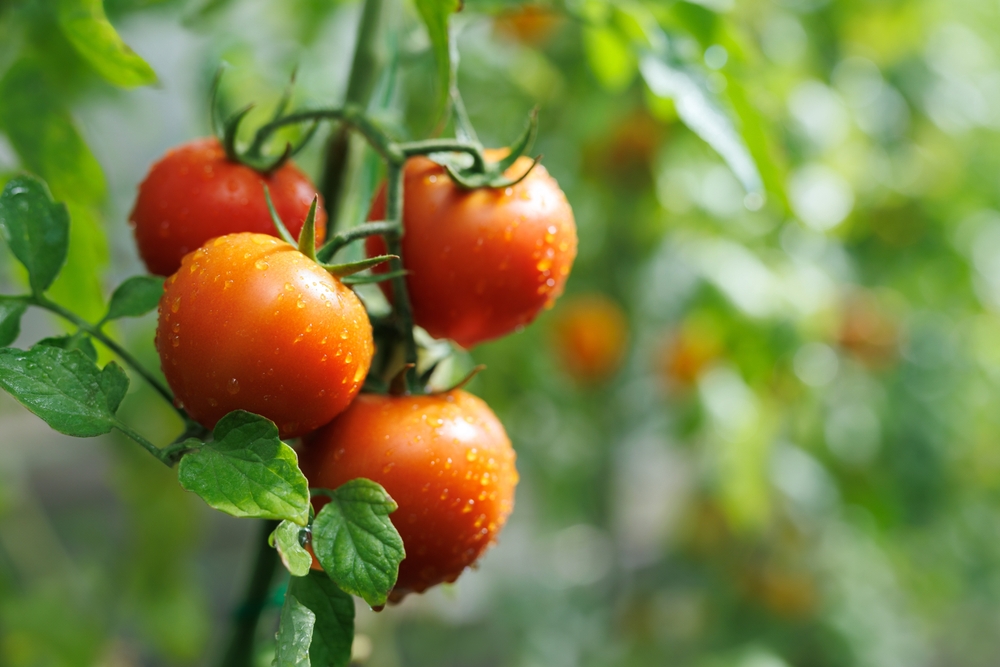
1. Tomatoes & Basil: The Classic Flavor-Boosting Duo
Tomatoes and basil create one of the most famous partnerships in the garden because they support each other above and below the soil line. Basil helps deter pests like aphids, whiteflies, and hornworms that often target tomato plants during peak summer growth. Tomatoes provide light shade that keeps basil leaves tender and less prone to scorching in hot weather. Gardeners also report stronger aroma and flavor in basil when grown near tomatoes, especially in well-watered beds with steady sun exposure. This pairing works especially well in containers and raised beds where roots stay close and interactions stay concentrated.
Plant tomatoes about 18 to 24 inches apart to allow airflow and space for fruit development. Tuck basil plants around the base of each tomato to fill gaps and reduce weed pressure. Water deeply at soil level to avoid fungal issues that can spread in dense planting areas. This combination rewards consistent care with healthier plants and a more efficient garden layout that maximizes every square foot.
2. Carrots & Onions: Underground Pest Control Partners
Carrots and onions work together like silent protectors beneath the soil surface where most gardeners rarely look. Onion family crops release a strong scent that confuses carrot flies, making it harder for pests to locate carrot roots. Carrots help break up soil as they grow, which improves drainage and creates easier pathways for onion bulbs to expand. This pairing also uses space efficiently because carrots grow downward while onions develop upward, avoiding direct competition. Gardeners often notice fewer pest problems without relying on chemical sprays when these two crops share the same bed.
Plant carrots in loose, sandy soil to encourage straight root development and pair them with evenly spaced onion sets. Alternate rows or mix seeds in the same bed to create a natural pest barrier system. Avoid overcrowding because both crops still need airflow to prevent disease buildup. This combination performs especially well in small gardens where every inch of soil must work double duty.
3. Corn, Beans & Squash: The Three Sisters System
Corn, beans, and squash form a traditional planting trio that Indigenous agricultural systems perfected long before modern gardening tools existed. Corn grows tall and provides a natural trellis for climbing beans, which fix nitrogen in the soil and feed surrounding plants. Squash spreads across the ground and acts like living mulch that reduces weeds and holds moisture in the soil. This system creates a self-supporting cycle where each plant plays a specific role that benefits the entire group. Gardeners who use this method often save space while producing a diverse harvest from a single planting area.
Plant corn first in blocks rather than single rows to improve pollination and stalk strength. Add beans once corn reaches about six inches tall so vines can climb without pulling plants over. Introduce squash after corn and beans establish strong growth to prevent overcrowding early in the season. This system works best in full sun with rich soil and consistent watering to support heavy production.
4. Lettuce & Tall Shade Plants: Cool-Season Space Savers
Lettuce pairs well with taller crops like tomatoes, peppers, or sunflowers because it prefers cooler, filtered light. Tall plants cast partial shade that prevents lettuce from bolting too quickly during warm weather. This arrangement allows gardeners to grow leafy greens deeper into the season without sacrificing quality or texture. Lettuce also fills empty spaces around taller plants, reducing bare soil that often invites weeds. This combination makes excellent use of vertical space while keeping lower crops protected from harsh sun exposure.
Plant lettuce in early spring or late summer when temperatures stay mild. Position it near established taller plants so it receives filtered sunlight during peak heat. Harvest outer leaves regularly to encourage continuous growth without crowding. This pairing keeps garden beds active and productive across multiple growing stages.
5. Cabbage Family & Aromatic Herbs: Natural Pest Defense Strategy
Cabbage, broccoli, and kale often attract pests like cabbage worms and aphids, but aromatic herbs help disrupt those insects’ tracking systems. Herbs such as thyme, rosemary, and dill release strong scents that confuse pests and reduce infestations. This pairing improves garden health without relying on chemical sprays or constant manual pest removal. Herbs also attract beneficial insects like ladybugs and parasitic wasps that naturally control harmful populations. Gardeners gain healthier brassica crops while also harvesting flavorful herbs from the same space.
Plant herbs around the perimeter of cabbage family crops to create a protective scent barrier. Space brassicas widely to allow airflow and reduce moisture buildup that encourages disease. Rotate herb placement each season to maintain strong pest resistance patterns in the soil. This system strengthens both crop health and long-term soil balance in the garden.
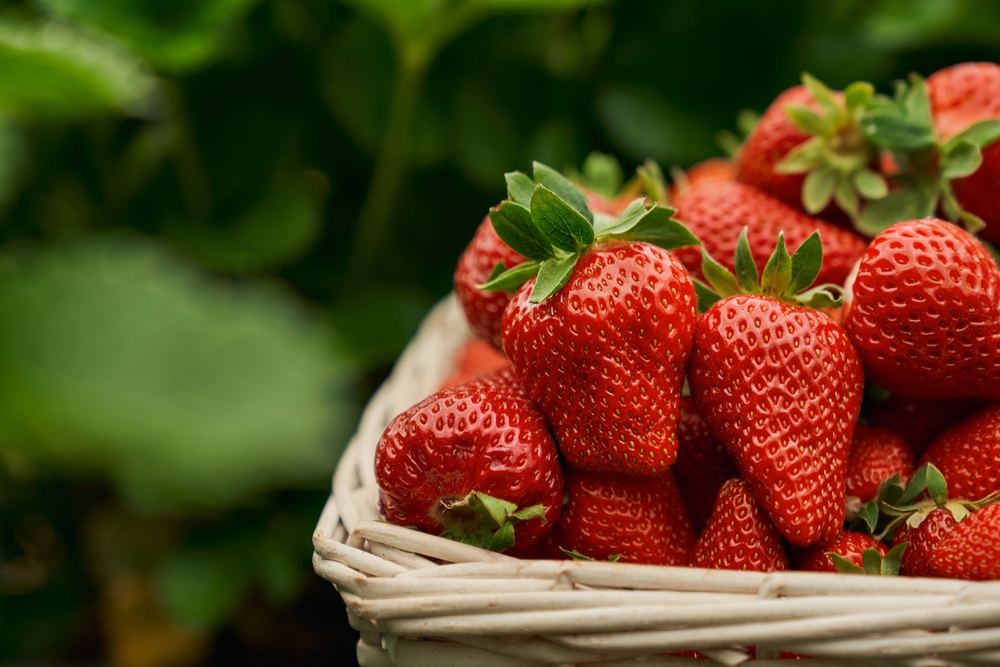
6. Strawberries & Spinach: Ground-Level Efficiency Champions
Strawberries and spinach form a low-growing partnership that maximizes ground coverage and reduces weed competition. Spinach grows quickly in cool weather and shades soil around strawberry plants, which helps retain moisture and regulate temperature. Strawberries benefit from reduced weed pressure because spinach fills gaps that weeds would normally occupy. Both crops share similar soil preferences, making them easy to manage in the same raised bed or container system. Gardeners often enjoy continuous harvests from both plants when timing aligns with seasonal growth cycles.
Plant strawberries in early spring and add spinach seeds around them shortly after soil warms slightly. Keep soil evenly moist to support leafy spinach growth and steady strawberry development. Harvest spinach early and often to prevent overcrowding around developing strawberry runners. This pairing delivers strong space efficiency and steady yields in compact garden setups.
Garden Harmony That Rewards Smart Planting Choices
Companion planting builds a garden that works like a coordinated team instead of isolated crops competing for resources. Each pairing in this cheat sheet shows how plants can support pest control, improve soil conditions, and maximize limited space. Gardeners who plan layouts carefully often notice fewer problems and more consistent harvests across the entire growing season. Small adjustments in plant placement can create major improvements in yield, flavor, and plant health without extra inputs. Thoughtful combinations turn even beginner gardens into efficient, productive systems that reward observation and planning.
What companion planting combinations have delivered the best results in home gardens? Share thoughts and experiences in the comments below.
You May Also Like…
6 Companion-Friendly Pairings That Improve Soil Health
7 Companion Pairings That Boost Growth Naturally
Stop Pulling These ‘Weeds’—Comfrey and Nettles Can Fertilize Your Garden
Turn Household Containers Into Thriving Veggie Gardens With Buckets, Totes & Milk Jugs
Never Overcrowd Again: The Simple Guide to Spacing Your Vegetables for Bigger Harvests

Brandon Marcus is a staff writer for FrugalGardening.com at District Media, Inc., where he delivers practical gardening advice with a relatable, no-nonsense style. An avid amateur gardener, he holds a BA degree and with over ten years of professional writing experience, he is also an award-winning published author whose first book, Questions For Deep Thinkers, was released by Adams Media. His work has appeared in major publications including Fandom.com, CHUD.com, TheColdWire.com, and Fansided.com.
Leave a Reply