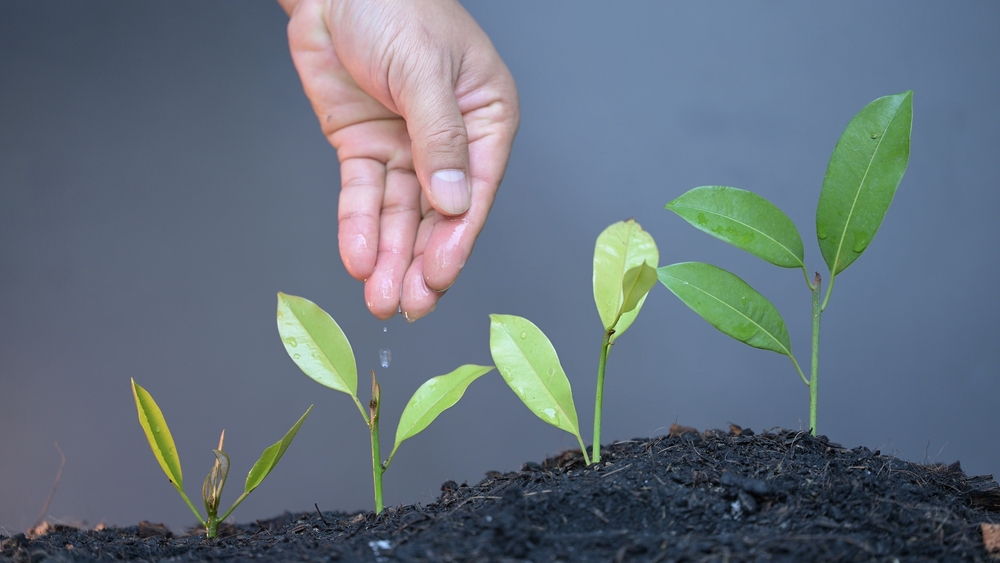
A garden can start the season with big promises and still end up looking tired, stunted, and frustratingly slow. Seedlings stay small, tomato plants refuse to bulk up, and leafy greens lose their vibrant color long before harvest time arrives. Many gardeners immediately blame weather, pests, or poor seeds, but nutrient deficiencies often create the real trouble underground. Plants cannot power healthy growth without the right balance of minerals, and even rich-looking soil can quietly fall short.
The tricky part comes from how sneaky nutrient problems appear at first. A plant might show pale leaves for weeks before growth actually stalls, or flowers may drop before fruit even forms. Some gardeners add more water, while others dump extra fertilizer on everything and accidentally make the issue worse. Smart gardeners learn to spot the early clues and respond with targeted fixes instead of random guesswork. A few simple adjustments can turn sluggish plants into vigorous growers surprisingly fast.
Nitrogen Shortages Can Drain Energy From the Entire Garden
Nitrogen acts like fuel for leafy growth, which explains why plants struggle dramatically when supplies run low. Lawns lose their deep green color, lettuce grows tiny and weak, and corn stalks stay disappointingly thin. Older leaves usually turn pale yellow first because plants move available nitrogen toward newer growth. Vegetable gardens often suffer from nitrogen shortages after heavy rain because water washes nutrients deeper into the soil.
Gardeners sometimes create nitrogen problems by adding too much carbon-rich material without balancing it properly. Fresh wood chips, straw, or sawdust pull nitrogen away from plant roots as they decompose. Compost that has not fully broken down can create the same issue in raised beds. Quick-growing vegetables like squash and tomatoes demand especially high nitrogen levels during active development. Blood meal, fish emulsion, composted manure, or balanced organic fertilizers usually correct the issue quickly when applied carefully.
Calcium Problems Quietly Wreck Fruits and Roots
Calcium deficiencies create some of the most frustrating garden disasters because the damage often appears after plants seem healthy. Tomatoes suddenly develop blossom end rot, peppers collapse with black sunken spots, and root vegetables split unpredictably underground. Calcium helps plants build strong cell walls, so poor supplies weaken growth from the inside out. Inconsistent watering frequently triggers calcium problems because dry soil prevents roots from absorbing nutrients efficiently.
Many gardeners mistakenly assume they need massive amounts of lime whenever blossom end rot appears. Soil pH matters, but watering habits often create the bigger problem. Containers dry out faster than in-ground beds, which explains why patio tomatoes commonly suffer first. Mulch helps stabilize moisture levels and keeps calcium moving steadily through the plant. Crushed eggshells add very little fast-acting calcium, so gypsum or calcium nitrate usually works better when plants already show symptoms.
Magnesium Deficiency Makes Leaves Look Tired and Striped
Magnesium sits at the center of chlorophyll molecules, making it essential for photosynthesis and strong plant energy production. When magnesium levels drop, leaves often develop yellow patches between dark green veins, creating a striped or marbled appearance. Older leaves show symptoms first because plants redirect magnesium toward new growth. Peppers, tomatoes, roses, and potatoes commonly struggle with this deficiency during periods of rapid growth.
Excess potassium fertilizer can actually interfere with magnesium uptake and create hidden imbalances in otherwise healthy soil. Gardeners who heavily feed tomatoes sometimes accidentally trigger this exact problem. Epsom salt remains one of the most popular fixes because it supplies magnesium quickly and cheaply. However, dumping huge amounts into the garden creates new nutrient problems instead of solving old ones. A moderate soil drench or foliar spray usually restores healthy leaf color within a couple of weeks.
Poor Soil Structure Blocks Nutrients Even When Fertilizer Exists
A surprising number of nutrient problems happen because roots physically cannot reach what already exists in the soil. Compacted clay soil suffocates roots and limits nutrient absorption dramatically. Sandy soil drains so quickly that fertilizer washes away before plants can fully use it. Hard crusted ground also prevents beneficial microbes from thriving, and those microbes play a huge role in converting nutrients into plant-friendly forms.
Healthy soil acts more like a living sponge than plain dirt. Compost improves drainage in heavy clay while helping sandy soil retain moisture and minerals longer. Earthworms, fungi, and beneficial bacteria create underground networks that support nutrient movement naturally. Gardeners who focus only on fertilizer often overlook these deeper soil structure issues. A thriving soil ecosystem usually produces stronger long-term growth than constant feeding alone.
Overfertilizing Creates a Different Kind of Deficiency
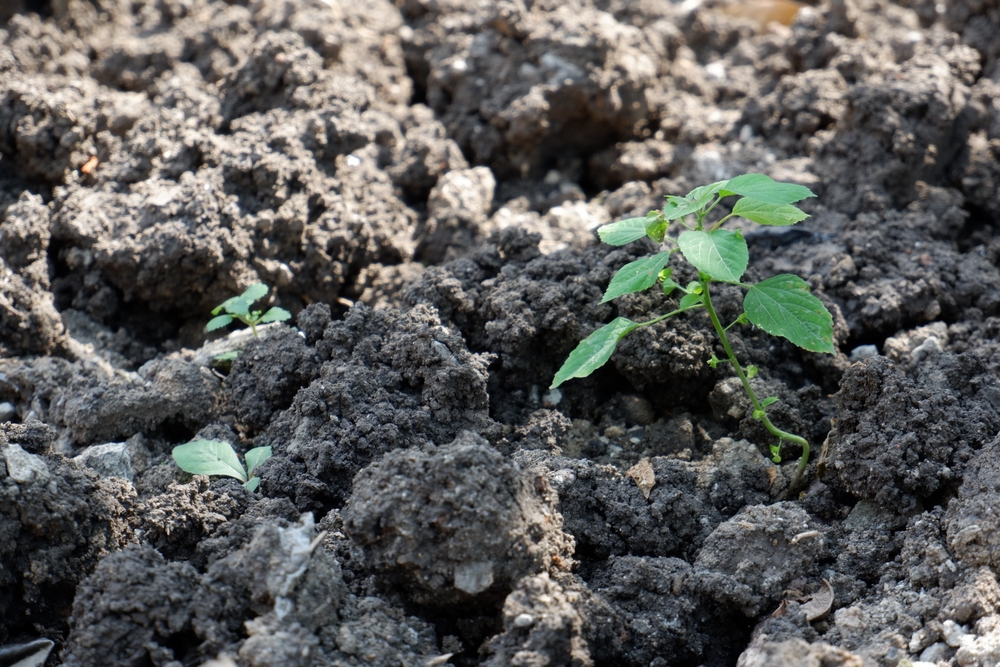
Gardeners eager for fast growth often make the classic mistake of adding far too much fertilizer. Plants may initially explode with lush foliage before roots become damaged by excess salts in the soil. Overfertilized plants frequently develop burnt leaf edges, weak stems, and fewer flowers or fruits. Ironically, too many nutrients can block plants from absorbing other essential minerals properly.
High phosphorus fertilizers provide a perfect example of this problem. Excess phosphorus can interfere with iron and zinc uptake, leading to yellow leaves despite heavy feeding. Synthetic fertilizers also build up quickly in containers where rain cannot naturally flush the soil. Slow-release fertilizers, compost, and regular soil testing create a much safer long-term strategy. Careful feeding schedules almost always outperform aggressive fertilizer routines in home gardens.
The Smartest Gardeners Watch Leaves Like Warning Lights
Plants communicate nutrient stress clearly once gardeners learn how to read the signals. Yellow lower leaves usually point toward nitrogen problems, while distorted new growth often suggests calcium issues. Purple leaf undersides sometimes indicate phosphorus deficiency, especially during cold weather. Brown leaf edges can signal potassium shortages or fertilizer burn depending on the situation.
What nutrient problem has caused the biggest headache in the garden, and which fix finally brought plants back to life?
You May Also Like…
Why Nutrient Timing Impacts Growth More Than Quantity
6 Low-Nutrient Soil Options That Still Produce Results
Why Nutrient Imbalances Slow Growth Over Time
5 Warning Signs Your Compost Is Too Wet and Losing Nutrients
5 Plants That Multiply So Fast You’ll Never Need to Buy Them Again

Brandon Marcus is a staff writer for FrugalGardening.com at District Media, Inc., where he delivers practical gardening advice with a relatable, no-nonsense style. An avid amateur gardener, he holds a BA degree and with over ten years of professional writing experience, he is also an award-winning published author whose first book, Questions For Deep Thinkers, was released by Adams Media. His work has appeared in major publications including Fandom.com, CHUD.com, TheColdWire.com, and Fansided.com.
Leave a Reply