
Gardening rewards attention to detail, and even small adjustments can completely reshape how plants perform. A garden does not need expensive tools or complicated systems to produce stronger growth and healthier harvests. Instead, simple changes in watering, soil care, sunlight management, and spacing can transform weak plants into vigorous growers.
Many gardeners overlook these basics and focus on fertilizers or fancy methods first, yet consistent foundational habits deliver the biggest impact. These five simple changes help plants grow stronger, respond better to their environment, and produce more reliable results season after season.
1. Improve Soil Structure Before Adding Anything Else
Healthy soil creates the foundation for strong plant growth, and plants struggle when soil compacts or drains poorly. Loosening garden soil with a fork or broad tool allows air to reach roots and improves water movement through the bed. Adding organic matter like compost increases microbial activity and feeds plants in a steady, natural way. Many gardeners rush into planting without preparing soil, which leads to slow growth and weak root systems.
Compost also balances soil texture by improving both clay-heavy and sandy soils. Clay soils become easier for roots to penetrate, while sandy soils retain more moisture and nutrients. A consistent compost routine strengthens long-term soil fertility and reduces the need for heavy fertilizers. Healthy soil encourages stronger root networks, which directly improves plant stability and productivity.
2. Adjust Watering Habits for Deep Root Growth
Watering shapes how roots develop, and shallow watering forces roots to stay near the surface. Deep, infrequent watering encourages roots to grow downward in search of moisture, which builds stronger and more resilient plants. Early morning watering reduces evaporation and gives plants time to absorb moisture before the heat of the day. Overwatering often creates weak growth and increases the risk of fungal problems.
Gardeners often make the mistake of watering on a fixed schedule instead of observing soil conditions. Checking soil moisture with a finger or small tool helps determine when plants actually need water. Mulch also helps regulate moisture by slowing evaporation and keeping soil temperatures stable. Strong watering habits create plants that handle drought stress and temperature swings more effectively.
3. Maximize Sunlight Exposure Through Smart Plant Placement
Sunlight drives photosynthesis, and poor light placement limits how much energy plants can produce. Positioning tall plants away from shorter ones prevents shading and keeps leaves exposed to direct light. Observing sun patterns throughout the day helps identify the brightest zones in a garden space. Many gardeners underestimate how much shifting light conditions affect plant performance.
Reflective surfaces like light-colored walls or garden beds can increase available light in shaded areas. Pruning nearby shrubs or trees also improves light penetration and air circulation. Leafy vegetables tolerate partial shade, but fruiting plants require strong, consistent sunlight. Smart placement choices improve growth speed, leaf color, and overall plant strength.
4. Space Plants Properly to Reduce Competition
Crowded plants compete for water, nutrients, and sunlight, which slows overall growth. Proper spacing allows each plant to develop a strong root system without constant resource pressure. Airflow also improves when plants have enough room, which reduces disease risks and pest buildup. Many gardeners plant too densely in hopes of maximizing yield, but overcrowding often produces the opposite result.
Seed packets usually provide spacing guidelines that reflect mature plant size rather than early growth stages. Following these recommendations helps prevent future thinning and transplant stress. Strategic spacing also makes maintenance tasks like pruning and harvesting easier. Well-spaced gardens produce stronger plants with higher-quality yields.
5. Feed Plants with Consistent, Natural Nutrient Support
Plants need nutrients throughout their growing cycle, not just at planting time. Compost, worm castings, and organic fertilizers release nutrients slowly and support steady development. Chemical-heavy feeding often creates fast growth followed by nutrient imbalances that weaken plants later. Balanced nutrition supports strong stems, healthy foliage, and productive flowering stages.
Rotating nutrient sources prevents soil depletion and encourages diverse microbial life in the soil. Liquid compost teas can provide quick nutrient boosts during critical growth phases. Observing plant color and growth patterns helps identify nutrient gaps early. Consistent feeding habits create reliable growth without sudden spikes or crashes.
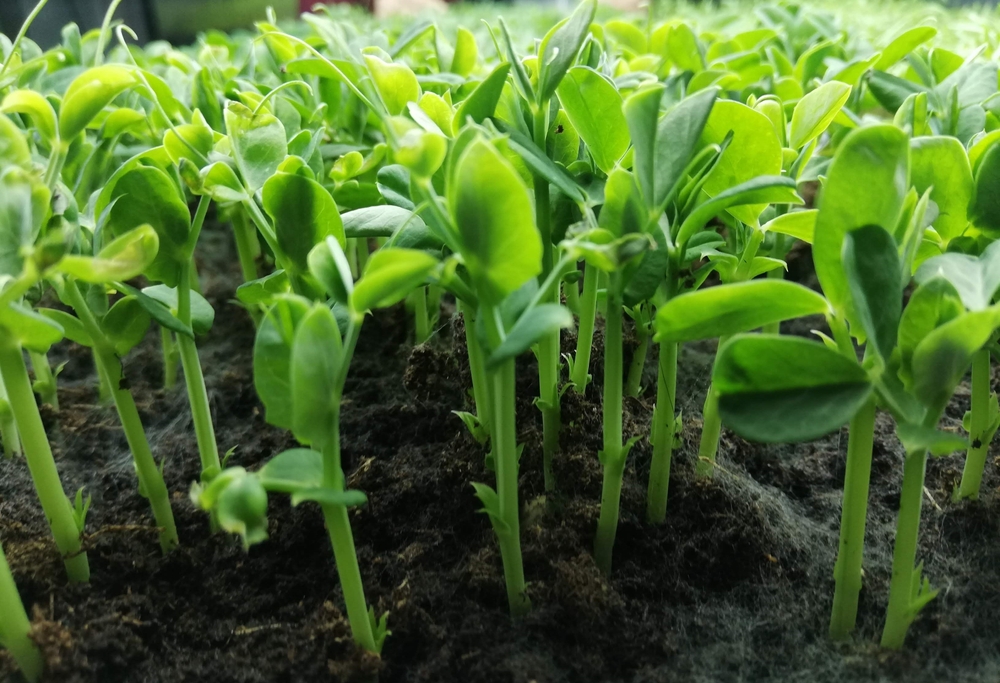
Strong Growth Starts with Simple Daily Choices
Small gardening changes often create the biggest long-term improvements in plant health and productivity. Soil care, watering habits, sunlight management, spacing, and feeding routines all work together to shape how plants grow. Each adjustment builds on the others, creating a stable environment where plants can develop strong roots and steady energy production. Gardeners who focus on consistency instead of complexity often see the most reliable results across seasons. These five changes help turn ordinary garden spaces into productive, well-balanced growing environments.
What simple gardening change has made the biggest difference in plant growth in your own experience? Share your thoughts in the comments below.
You May Also Like…
8 Sun-Loving Picks That Maximize Growth Potential
6 Options That Transition Well Between Indoor and Outdoor Growth
5 Maintenance Habits That Keep Growth Consistent
The Overcrowding Issue That Reduces Growth Potential
5 Natural Growth Boosters That Strengthen Roots

Brandon Marcus is a staff writer for FrugalGardening.com at District Media, Inc., where he delivers practical gardening advice with a relatable, no-nonsense style. An avid amateur gardener, he holds a BA degree and with over ten years of professional writing experience, he is also an award-winning published author whose first book, Questions For Deep Thinkers, was released by Adams Media. His work has appeared in major publications including Fandom.com, CHUD.com, TheColdWire.com, and Fansided.com.
Leave a Reply