Late spring doesn’t shut the gardening window—it actually swings it wide open for some of the most rewarding crops of the season. Warm soil, longer daylight hours, and fewer frost worries create a sweet spot for planting fast growers and heavy producers. Many gardeners miss this timing window and assume they started “too late,” but the soil tells a different story. With the right crop choices, a late spring garden can outperform early plantings in both flavor and yield. The secret lies in picking vegetables that love warmth, grow quickly, and respond well to longer days.
A successful late spring garden also helps stretch grocery savings and reduces reliance on store-bought produce during peak summer price spikes. Many of these crops mature in under two months, making them perfect for gardeners who want fast results without sacrificing quality.
1. Radishes Bring Speed and Crunch to the Garden
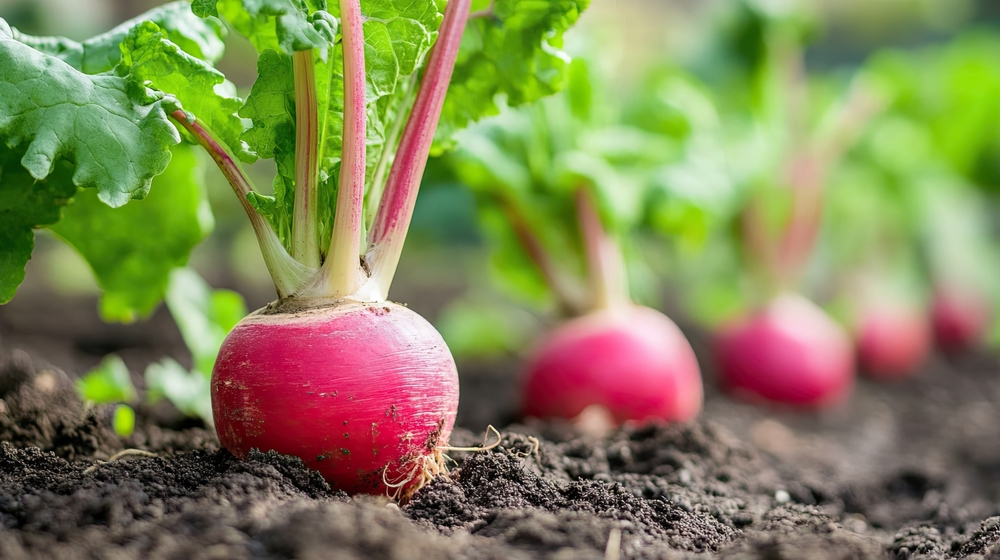
Radishes live in cool-to-mild conditions, but late spring still supports rapid growth when soil stays consistently moist. Gardeners often harvest them in as little as 25 to 30 days, which makes them one of the fastest-producing crops available. Their crisp texture and peppery bite add instant value to salads and snacks, especially when homegrown. Quick maturity allows staggered planting, which keeps harvests coming week after week. This crop rewards patience with very little waiting time.
Plant radish seeds directly into loose, well-drained soil for best results. Thin seedlings early so roots can develop without crowding, which improves size and flavor. Heat can increase bitterness, so consistent watering helps maintain quality during warmer late spring days. Many gardeners use radishes as “marker crops” to help track slower germinating vegetables like carrots. This small but mighty crop proves that fast food can still come straight from the garden.
2. Lettuce Keeps Producing Even in Transitional Heat
Lettuce performs best in mild weather, but late spring planting still works when gardeners choose heat-tolerant varieties. Leaf lettuce especially shines because it allows continuous harvesting instead of waiting for full heads. Many gardeners cut outer leaves while the plant keeps producing new growth. This method extends harvest time and increases total yield from a small space. Flavor stays fresh and crisp when plants receive partial shade during warmer afternoons.
Soil preparation plays a big role in lettuce success during late spring. Rich, moisture-retentive soil keeps leaves tender and prevents early bolting. Mulch helps stabilize soil temperature and reduces stress on shallow roots. Watering early in the day prevents heat stress and supports steady growth. Lettuce rewards consistent care with weeks of fresh greens that elevate any meal.
3. Bush Beans Deliver Reliable, Protein-Packed Harvests
Bush beans love warm soil, which makes late spring an ideal planting window. These plants grow quickly and produce abundant pods without needing trellises or heavy support. Gardeners often see harvest-ready beans in about 50 to 60 days, depending on variety. Regular picking encourages more production, which boosts overall yield. Their mild flavor and crisp texture make them a staple in summer cooking.
Plant seeds directly into soil after temperatures stabilize for consistent germination. Space rows properly to improve airflow and reduce disease risk. Beans fix nitrogen in the soil, which naturally improves garden fertility for future crops. Consistent watering during flowering helps prevent flower drop and increases pod formation. Bush beans offer one of the most dependable harvests for late spring gardeners seeking efficiency and nutrition.
4. Cucumbers Love the Rising Heat of Late Spring
Cucumbers flourish when soil warms up, making late spring a prime planting period. These fast climbers produce abundant vines that quickly fill garden spaces or trellises. Most varieties produce harvestable cucumbers within 50 to 70 days. Regular picking keeps plants productive and prevents oversized, bitter fruit. Their high water content makes them especially refreshing during hot weather.
Gardeners should plant cucumbers in full sun with nutrient-rich soil for best performance. Trellising improves air circulation and reduces disease pressure on leaves and fruit. Consistent watering prevents bitterness and supports steady fruit development. Companion planting with herbs like dill can improve pollination and attract beneficial insects. Cucumbers reward attention with a steady supply of crisp, cooling harvests.
5. Zucchini Turns Small Gardens into High-Yield Powerhouses
Zucchini stands out as one of the most productive late spring crops available. A single plant can produce multiple squash per week during peak growth. Many gardeners struggle with excess harvests rather than scarcity once production begins. Fruits develop quickly, often ready for picking within 45 to 55 days. This rapid output makes zucchini a favorite for both beginners and experienced growers.
Plant zucchini in full sun with plenty of space for sprawling leaves. Rich soil packed with organic matter supports vigorous growth and continuous fruiting. Regular harvesting prevents oversized squash and encourages more production. Pollinators play a key role, so gardeners often notice better yields when bees stay active nearby. Zucchini delivers abundance that can easily fill kitchen counters and freezer space.
6. Beets Offer Both Roots and Greens for Double Harvests
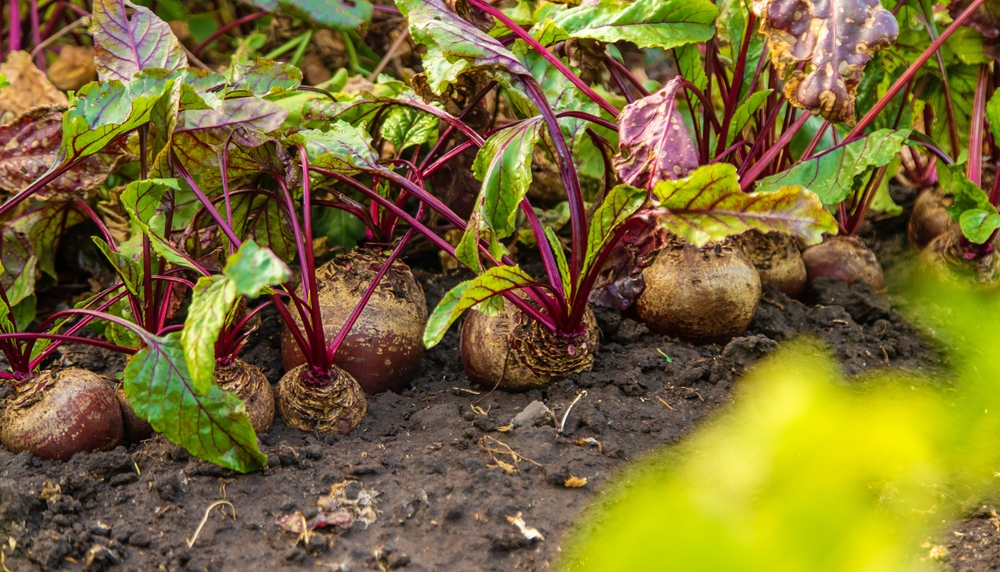
Beets provide one of the most versatile harvests in late spring gardens. Gardeners can harvest both edible roots and nutrient-rich greens from the same plant. Roots typically mature in 50 to 70 days, depending on soil conditions. Young greens offer an earlier harvest option while roots continue developing underground. This dual-purpose crop maximizes garden efficiency in small spaces.
Loose, well-drained soil helps beets develop smooth, well-shaped roots. Crowding reduces size, so thinning seedlings improves final harvest quality. Consistent moisture prevents woody texture and supports steady growth. Beets tolerate mild heat better than many cool-season crops, which makes them reliable in late spring. This crop rewards gardeners with both flavor variety and nutritional value.
The Real Secret Behind Late Spring Garden Success
Late spring gardening prospers on smart crop selection rather than perfect timing. Fast growers like radishes and lettuce provide early wins, while heavy producers like beans and zucchini deliver long-term abundance. Warm-season crops respond quickly to rising soil temperatures and longer daylight hours. Consistent watering, proper spacing, and soil health determine final harvest quality more than planting date alone. A well-planned late spring garden can outperform expectations and stretch into a productive summer season.
What late spring crop has surprised you the most with its performance in your garden? We definitely want your spring advice below.
You May Also Like…
The Pest Cycle That Begins in Late Spring
Why Weeds Take Over Faster Than Crops in Spring
7 Vegetables That Germinate Fast Even in Unpredictable Spring Weather
5 Beginner Errors That Reduce Yields in Spring Gardens
The Spring “Pound” Trick: How to Get 10lbs of Food from One $2 Seed Packet

Brandon Marcus is a staff writer for FrugalGardening.com at District Media, Inc., where he delivers practical gardening advice with a relatable, no-nonsense style. An avid amateur gardener, he holds a BA degree and with over ten years of professional writing experience, he is also an award-winning published author whose first book, Questions For Deep Thinkers, was released by Adams Media. His work has appeared in major publications including Fandom.com, CHUD.com, TheColdWire.com, and Fansided.com.
Leave a Reply