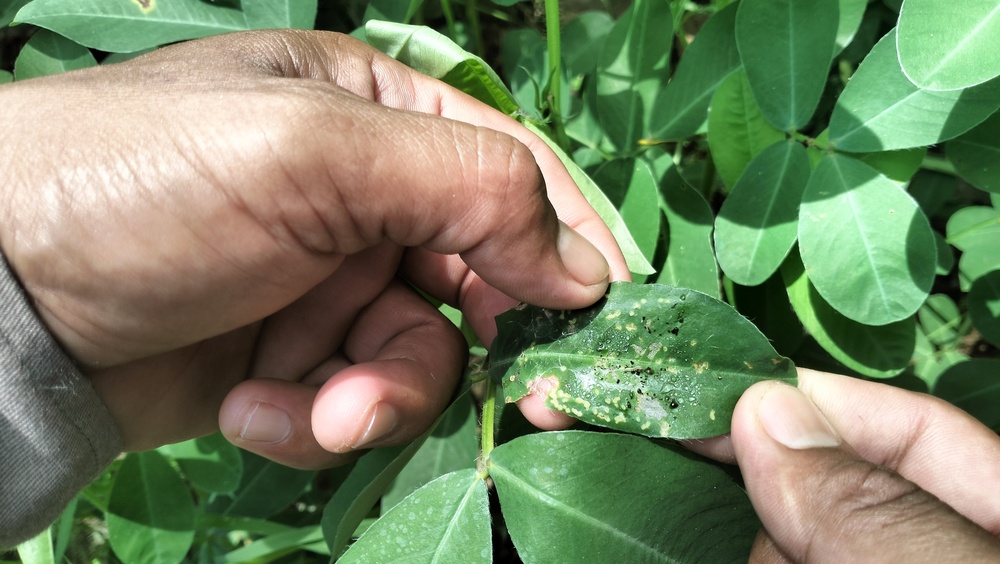
Late spring delivers everything gardeners crave: fresh mulch, booming tomato plants, longer evenings, and lawns that suddenly grow like they drank an energy drink overnight. Unfortunately, the season also flips the “open” sign for one of the most aggressive pest cycles of the year. The moment temperatures consistently hover above 60 degrees, insects begin breeding, feeding, and expanding territory at an incredible pace. A single overlooked issue in May can explode into a full backyard invasion by July. Garden centers across America see the same pattern every year because homeowners often notice pests only after damage spreads everywhere.
The real trouble starts quietly and almost invisibly. Tiny aphids gather under leaves while mosquito larvae wiggle around standing water after spring rainstorms. Ticks climb tall grass waiting for pets and people to brush past, while grubs start chewing beneath lawns before brown patches appear later in summer. Many gardeners focus heavily on planting season but completely miss the pest activity brewing underneath the surface. Late spring acts like a starting gun for insects that thrive during hot weather, and the cycle gains speed fast once temperatures rise.
Aphids Arrive Like Tiny Green Vampires
Aphids rarely make a dramatic entrance, yet they rank among the most destructive pests in American gardens. These tiny insects gather on tender new growth and suck sap from vegetables, flowers, shrubs, and even fruit trees. Roses, peppers, cucumbers, and beans often become favorite targets because late spring growth gives aphids exactly what they want: soft, nutrient-rich stems and leaves. Gardeners usually spot curled leaves or sticky residue first because aphids multiply so quickly that entire colonies can form within days. One female aphid can produce dozens of offspring without mating, which explains why infestations suddenly seem to appear overnight.
Ladybugs and lacewings naturally help control aphid populations, but pesticide overuse often wipes out those beneficial insects too. Smart gardeners inspect the underside of leaves every few days during late spring because early detection matters far more than heavy chemical treatments later. A strong spray of water often knocks aphids off plants before serious damage occurs, especially during smaller outbreaks. Neem oil and insecticidal soap also work well when applied carefully during cooler evening hours. Gardens that stay healthy, watered properly, and free of overcrowded plants usually suffer fewer major infestations because stressed plants attract pests much faster.
Mosquitoes Turn Tiny Water Sources Into Nurseries
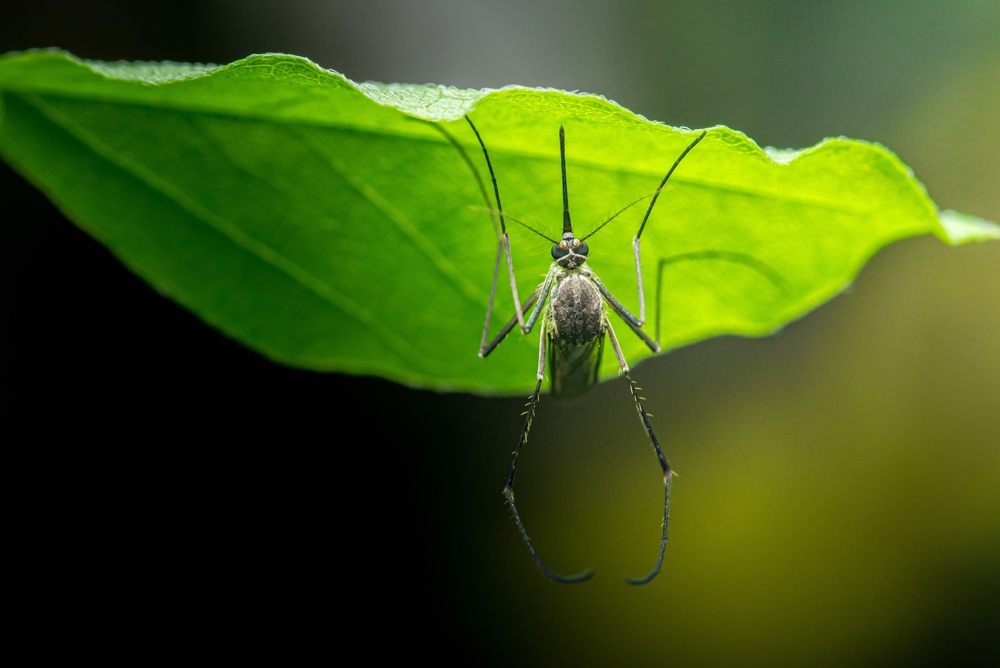
Mosquito season starts long before people hear that familiar buzzing around backyard barbecues. Female mosquitoes begin laying eggs in late spring whenever standing water sticks around for more than a few days. Birdbaths, clogged gutters, kiddie pools, flowerpot trays, and even forgotten bottle caps become miniature breeding grounds almost instantly. According to the Environmental Protection Agency, mosquitoes can complete their life cycle in as little as one week under warm conditions. That means a rainy stretch in May can create a noticeable mosquito problem before summer officially begins.
Backyard mosquito control depends more on consistency than expensive gadgets. Emptying standing water twice a week dramatically cuts breeding opportunities and prevents population explosions later in the season. Homeowners also benefit from trimming dense shrubs and overgrown grass because mosquitoes rest in cool, shaded areas during the daytime. Citronella candles may add atmosphere to patios, but eliminating water sources provides far greater protection. Late spring offers the perfect time to break the mosquito cycle before outdoor gatherings become a nonstop swatting contest.
Lawn Pests Build Trouble Beneath the Surface
Many homeowners blame summer heat when lawns suddenly develop ugly brown patches, but the real damage often starts weeks earlier underground. Grubs hatch in late spring and begin feeding on the grassroots before visible symptoms appear above the soil. Japanese beetle larvae remain especially destructive because they chew through root systems and weaken entire sections of turf. Skunks, raccoons, and birds often dig up affected lawns searching for grubs, creating even more frustration for homeowners already battling damaged grass. The combination turns a healthy-looking lawn into a patchy disaster surprisingly fast.
Healthy lawn habits create the strongest defense against underground pests. Deep watering encourages stronger root growth, while mowing grass too short weakens turf and makes lawns more vulnerable. Many gardening experts recommend checking suspicious lawn areas by pulling gently on brown patches because grub-damaged grass lifts easily from loose soil. Beneficial nematodes offer an increasingly popular natural treatment because they target grubs without harming pollinators or pets. Late spring lawn care often determines whether a yard stays lush through summer or spends months struggling to recover.
Ticks Expand Territory During Late Spring
Ticks become far more active once temperatures warm consistently, and late spring marks a major danger period across many parts of America. Tall grass, brush piles, wood stacks, and overgrown property edges create ideal environments for ticks to wait for passing hosts. Deer ticks especially concern homeowners because they can transmit Lyme disease, which affects nearly half a million Americans each year, according to estimates from the Centers for Disease Control and Prevention. Pets frequently carry ticks indoors after spending time outside, increasing exposure risks for entire households. Families often focus heavily on mosquitoes while overlooking the serious health concerns tied to ticks.
Reducing tick activity requires aggressive yard maintenance before summer arrives. Keeping grass trimmed short and removing leaf litter lowers humidity levels that ticks depend on for survival. Creating mulch or gravel barriers between wooded areas and lawns also helps limit tick migration into recreational spaces. Pet owners should check dogs carefully after walks, especially around ears, collars, and paws where ticks hide easily. Late spring prevention matters enormously because tick populations continue growing throughout summer once favorable conditions settle in.
Breaking the Cycle Early
Gardeners who win the pest battle rarely rely on a single miracle spray or trendy hack. Successful prevention starts with attention, timing, and consistent habits before pests fully establish themselves. Late spring creates the perfect storm for insect activity because warmth, moisture, and fresh plant growth fuel rapid reproduction everywhere. Small warning signs matter tremendously during this period, whether that means tiny holes in leaves, standing water after rain, or strange lawn discoloration. Ignoring those clues almost always leads to bigger and more expensive problems later in summer.
What garden pest causes the biggest headache every late spring in your yard? It’s time to talk about this topic below in our comments section.
You May Also Like…
Which Plant Pairings Naturally Reduce Pests and Improve Yields
March Garden Pests That Hide Underground
12 Of The Worst Garden Pests And How To Get Rid Of Them
This One Winter Gardening Habit Could Be Spreading Invasive Pests Across the South

Brandon Marcus is a staff writer for FrugalGardening.com at District Media, Inc., where he delivers practical gardening advice with a relatable, no-nonsense style. An avid amateur gardener, he holds a BA degree and with over ten years of professional writing experience, he is also an award-winning published author whose first book, Questions For Deep Thinkers, was released by Adams Media. His work has appeared in major publications including Fandom.com, CHUD.com, TheColdWire.com, and Fansided.com.
Leave a Reply