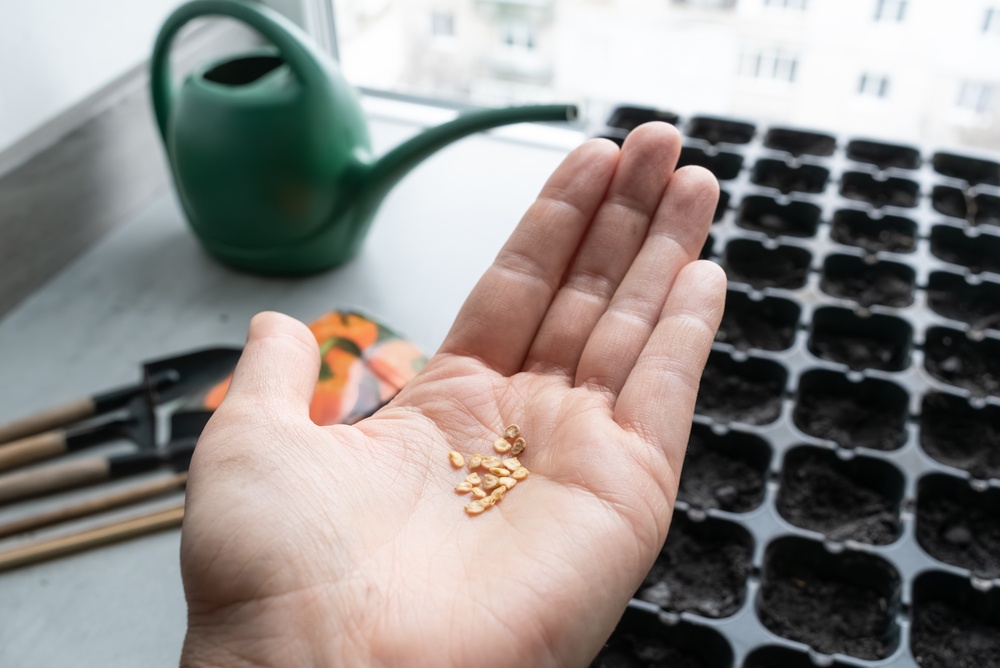
Fresh seed packets, fluffy soil, and perfect spring weather create big dreams for backyard gardeners across America. Nothing crushes that excitement faster than a stubborn tray of empty dirt that refuses to produce even one tiny green sprout. Many gardeners assume bad luck caused the failure, but seeds usually send clear signals long before they quit the race.
Tiny mistakes in temperature, moisture, timing, or handling often derail germination even when conditions look perfect on the surface. A closer look at these hidden problems can save money, protect garden confidence, and turn weak planting seasons into productive harvests packed with tomatoes, peppers, herbs, and flowers.
Soil Temperature Tricks More Gardeners Than They Realize
Many gardeners focus heavily on air temperature, while seedlings care far more about soil temperature deep below the surface. Tomato seeds often demand soil temperatures between 70 and 85 degrees, while lettuce seeds struggle once temperatures climb too high during late spring heat waves. A chilly patch of soil near a shaded fence can delay sprouting for weeks, even during warm sunny afternoons. Garden centers across America sell inexpensive soil thermometers because experienced growers know accurate readings prevent massive planting failures. Smart gardeners check soil conditions early in the morning when the overnight cold reveals the true environment around delicate seeds.
Cold soil also slows water absorption inside seeds, which delays the internal process that triggers growth. Seeds trapped in chilly ground often rot before roots get a chance to form, especially after heavy rainstorms soak the garden bed. Clay-heavy soil creates even bigger trouble because dense dirt holds cold temperatures longer than loose, airy soil mixes. Raised beds warm faster than in-ground plots, which explains why many backyard gardeners enjoy quicker germination in elevated garden boxes.
Too Much Water Causes More Damage Than Dry Soil
Many gardeners attack dry soil with a watering can every few hours, but soaked soil suffocates seeds surprisingly fast. Seeds need oxygen during germination, and waterlogged soil blocks airflow around delicate roots before they even emerge. Mushy seed trays often develop fungal growth that destroys seedlings long before leaves appear above the soil line. Overwatering also attracts fungus gnats and other pests that thrive in damp environments and feed on tender roots.
Rainy weeks create another hidden challenge because saturated garden beds trap moisture longer than many people expect. Seeds buried too deeply suffer even more because compact wet soil creates a heavy barrier that weak sprouts cannot push through. Indoor seed trays often fail because gardeners place humidity domes over already soaked soil, which creates a perfect environment for rot. Bottom watering usually delivers better results because it encourages roots to grow downward while keeping the soil surface less soggy.
Old Seeds Lose Strength Faster Than Most People Expect
Seed packets often survive longer than people assume, but aging seeds lose vigor every single year. Onion, parsley, and sweet corn seeds frequently struggle after only one or two seasons, even when gardeners store them carefully. Hot garages, humid sheds, and sunny kitchen windows shorten seed life dramatically because heat and moisture slowly damage internal plant tissue. Discount seed bins tempt bargain hunters every spring, yet many cheap packets contain weak seeds with lower germination rates. Reliable gardeners write purchase dates directly on seed packets to track freshness before planting season arrives.
Even fresh-looking seeds can hide invisible problems caused by poor storage during shipping or retail display. Cracked seed coats, mold spots, and faded coloring often signal declining viability long before gardeners notice trouble in the soil. Experienced growers frequently perform a simple paper towel germination test before planting expensive or rare varieties outdoors. This quick test reveals whether seeds still contain enough energy to sprout strong roots and healthy stems. Healthy seeds launch quickly, while weak seeds hesitate, struggle, and often fail completely.
Planting Depth Creates a Huge Difference in Germination
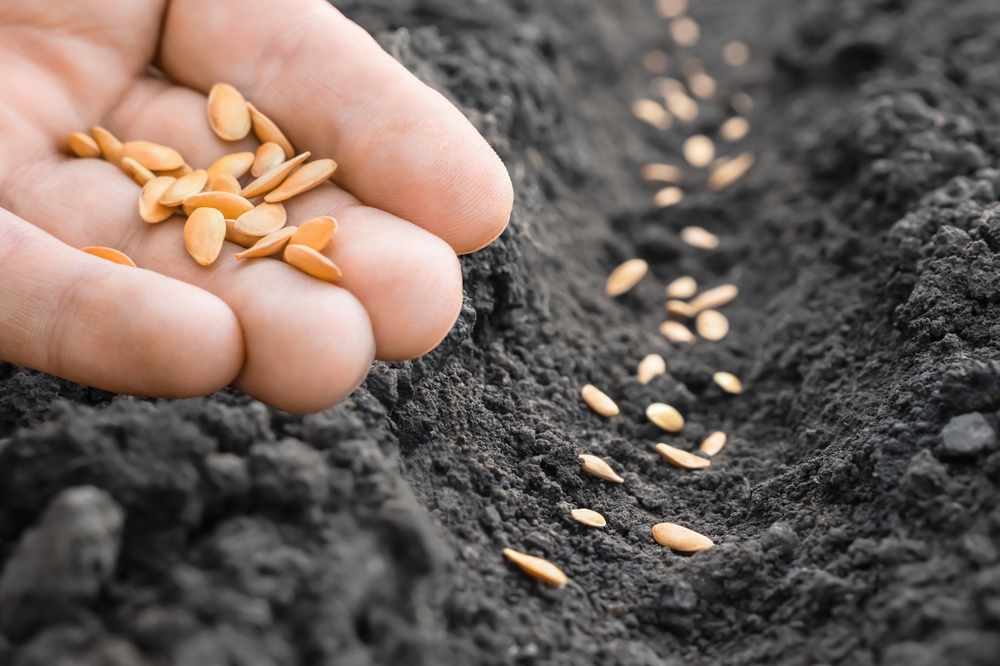
Tiny seeds contain limited energy reserves, so planting depth dramatically affects their chances of survival. Lettuce, basil, and snapdragon seeds need light contact with soil because they require sunlight to trigger germination. Large seeds like beans and squash tolerate deeper planting because they store more energy for pushing upward through heavy soil. Many beginners accidentally bury small seeds under thick layers of dirt, mulch, or compost that weak sprouts cannot penetrate. Seed packets include depth instructions for a reason, and careful gardeners follow those measurements closely.
Wind and watering can also shift seeds deeper into the soil after planting. Heavy watering from above often creates crusty soil surfaces that block fragile sprouts from reaching sunlight. Fine seed-starting mixes reduce compaction and allow easier movement for emerging seedlings during their first critical days. Gardeners who press soil too firmly around seeds unknowingly create another physical barrier that slows germination. Gentle handling gives seeds the loose environment they need to wake up and grow aggressively.
Tiny Details Often Decide the Fate of an Entire Garden
Gardening success rarely depends on luck because seeds respond directly to the environment around them. Small adjustments in watering, planting depth, seed storage, and soil temperature can completely change germination rates within a single growing season. Skilled gardeners observe patterns closely and make corrections quickly instead of blaming mysterious bad fortune. Every failed seed tray offers valuable clues that help future gardens grow stronger, healthier, and more productive.
Which seed-starting mistake caused the biggest gardening disaster in your yard? Share your stories, advice, and troubles in our comments section below.
You May Also Like…
Why Cheap Seeds Can Sometimes Cost You More in the Long Run
Buying “Last Year’s” Seeds: Does It Actually Matter for Your Harvest?
The Spring Seed Swap: How to Get 50 Varieties for the Price of One
How to Get 50 Gallons of Fertilizer for the Price of a Packet of Seeds
5 DIY Bird Deterrents That Protect Seeds and Seedlings

Brandon Marcus is a staff writer for FrugalGardening.com at District Media, Inc., where he delivers practical gardening advice with a relatable, no-nonsense style. An avid amateur gardener, he holds a BA degree and with over ten years of professional writing experience, he is also an award-winning published author whose first book, Questions For Deep Thinkers, was released by Adams Media. His work has appeared in major publications including Fandom.com, CHUD.com, TheColdWire.com, and Fansided.com.
Leave a Reply