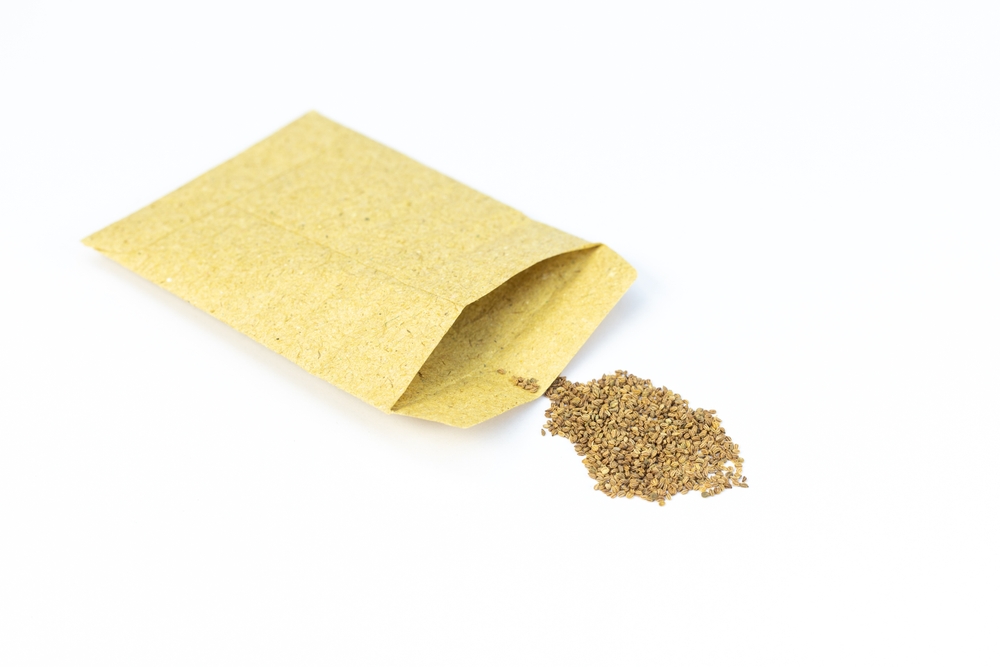
If your dream garden is bigger than your budget, a spring seed swap might be your new favorite tradition. Imagine walking in with a handful of leftover seeds and leaving with 50 new varieties—herbs, vegetables, flowers, and maybe even something rare you’ve never tried. That’s the magic of a seed swap: it’s part treasure hunt, part community event, and entirely budget-friendly.
With grocery prices and gardening costs climbing, finding ways to stretch your dollars while still enjoying your hobbies matters more than ever. The best part? You don’t need to be an expert gardener to take full advantage of a spring seed swap.
What Is a Spring Seed Swap and Why It Saves You Money
A spring seed swap is a gathering where gardeners exchange seeds instead of buying them, often at no cost beyond what you bring. Seed packets at stores can range from $2 to $5 each, and specialty varieties can cost even more, so trading instantly multiplies your selection without multiplying your spending. Many gardeners end up with leftover seeds each season, which makes swaps a perfect way to reduce waste while expanding variety.
In real-life terms, bringing five half-used packets could easily turn into dozens of new planting options. That kind of return makes a spring seed swap one of the most cost-effective gardening strategies out there.
How to Find a Seed Swap Near You
Finding a spring seed swap is easier than you might think, especially during late winter and early spring. Local libraries, community centers, and gardening clubs often host swaps, and many promote them on social media or bulletin boards. Farmers markets and sustainability groups are also great places to check, since they often support seed-sharing initiatives.
If you can’t find one locally, online seed swap communities allow you to trade through the mail with gardeners across the country. A little searching can open the door to a spring seed swap that completely transforms your planting season.
What to Bring (Even If You’re a Beginner)
You don’t need a massive seed collection to participate in a spring seed swap, which makes it beginner-friendly. Leftover seeds from last year, even partially used packets, are perfectly acceptable as long as they’re still viable. Labeling is key—include the plant name, variety, and year collected so others know what they’re getting.
If you truly have nothing to bring, some swaps allow newcomers to take a small number of seeds for free to get started. That welcoming approach ensures a spring seed swap remains accessible to everyone, not just seasoned gardeners.
How to Get the Most Value From Your Trades
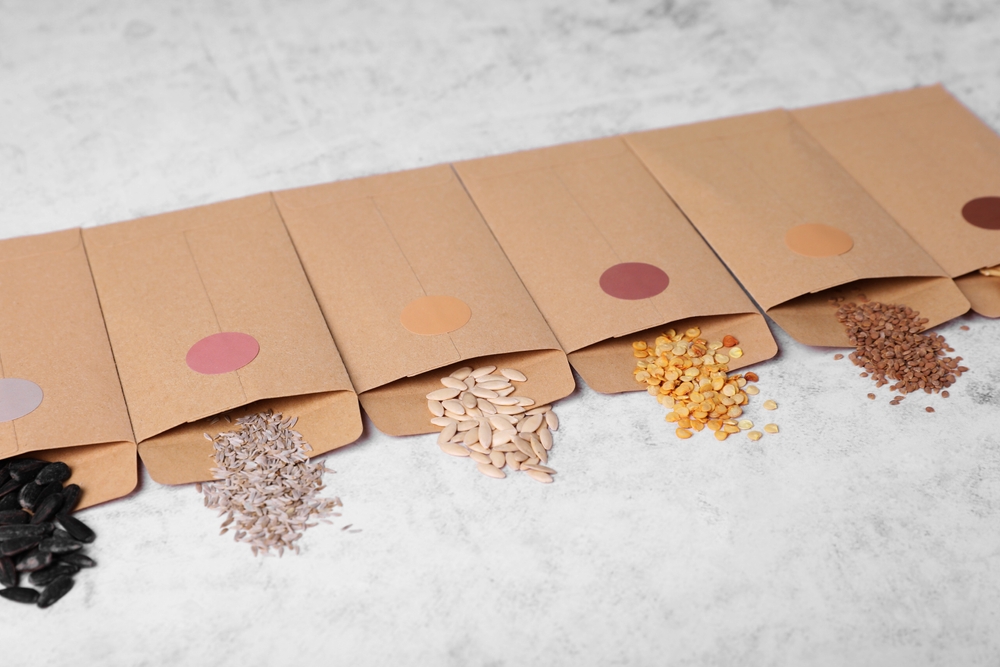
Walking into a spring seed swap with a plan can dramatically increase your haul. Prioritize high-value or versatile plants like heirloom tomatoes, culinary herbs, or pollinator-friendly flowers that would normally cost more at retail. Don’t be shy about asking questions, since many experienced gardeners are happy to share tips along with their seeds. Trading strategically, rather than grabbing randomly, helps you build a garden that fits your space and needs. With a little intention, a spring seed swap can yield dozens of useful varieties instead of a handful of impulse picks.
Hidden Benefits Beyond the Seeds
While the savings alone make a spring seed swap worthwhile, the hidden benefits are just as valuable. You gain access to local knowledge, like which varieties thrive in your climate or resist common pests. Many gardeners share firsthand experiences that you won’t find on the back of a seed packet. There’s also a strong sense of community, which can turn a solo hobby into a social one. Over time, attending a spring seed swap can connect you with people who help your garden—and your confidence—grow.
Common Mistakes to Avoid at a Seed Swap
It’s easy to get carried away at a spring seed swap, but a few common mistakes can limit your success. Grabbing too many seeds without a plan can lead to wasted effort and overcrowded planting spaces. Ignoring labeling or picking up poorly labeled seeds can result in confusion later when it’s time to plant. Another mistake is overlooking seed viability, since older seeds may not germinate as well.
Taking a moment to ask about storage conditions or harvest dates can save you frustration down the line. A thoughtful approach ensures your spring seed swap experience is both fun and productive.
Turning Your Seed Swap Finds Into Real Savings
The real financial payoff of a spring seed swap comes when those seeds turn into food and flowers. Growing even a small portion of your own vegetables can cut grocery bills, especially with high-yield crops like zucchini, tomatoes, and herbs. For example, a single tomato plant can produce pounds of fruit over a season, far exceeding the cost of a store-bought packet.
Herbs are another big win, since fresh bundles at the store can cost several dollars each. When you look at the bigger picture, a spring seed swap isn’t just about free seeds—it’s about long-term savings and sustainability.
Plant Once, Save All Season Long
A spring seed swap is one of those rare opportunities where frugality meets fun in the best possible way. You’re not just saving money—you’re expanding your garden, learning new skills, and connecting with others who share your interests. With a little preparation and a curious mindset, you can walk away with far more than you brought. Whether you’re growing food, flowers, or a mix of both, the impact lasts all season long. Once you experience the benefits of a spring seed swap, it’s hard to imagine starting a garden any other way.
What’s the best or most unusual plant you’ve ever grown—or hope to find at a seed swap this year? Share your thoughts in the comments.
You May Also Like…
The Local Library Secret: How to Get Your Seeds for Free This Year
Why Smart Gardeners Buy Seeds in Bulk (And How to Store Them for Decades)
How to Get 50 Gallons of Fertilizer for the Price of a Packet of Seeds
Why Some Seeds Never Germinate and How to Improve Your Success Rate
How to Start Seeds Indoors on a Tight Budget Without Wasting Money

Brandon Marcus is a staff writer for FrugalGardening.com at District Media, Inc., where he delivers practical gardening advice with a relatable, no-nonsense style. An avid amateur gardener, he holds a BA degree and with over ten years of professional writing experience, he is also an award-winning published author whose first book, Questions For Deep Thinkers, was released by Adams Media. His work has appeared in major publications including Fandom.com, CHUD.com, TheColdWire.com, and Fansided.com.
Leave a Reply