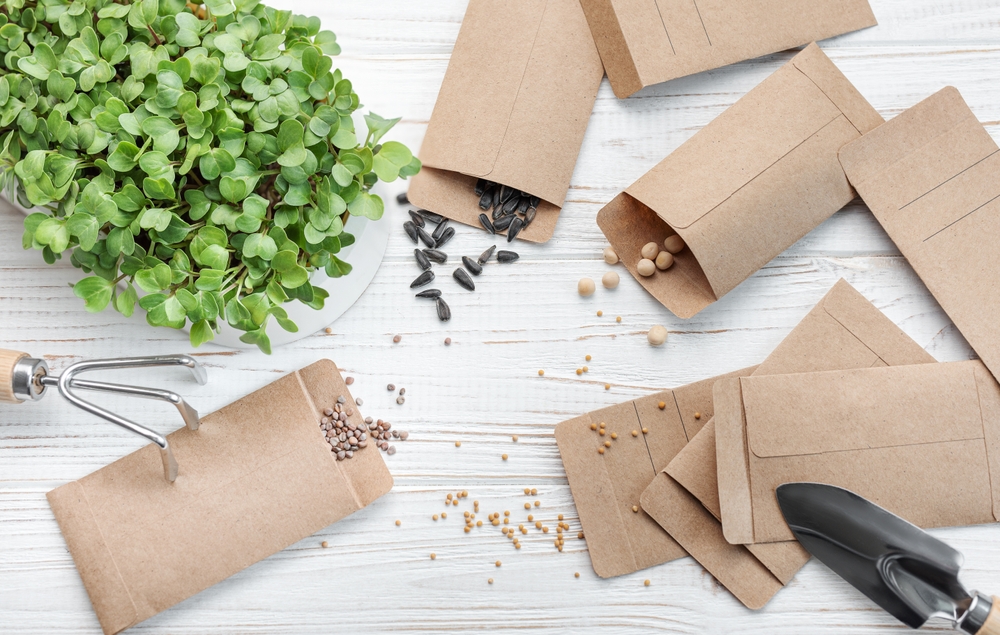
Ever spotted a discounted rack of last season’s seeds and felt tempted? Sure you have! Gardeners love a good deal, but there’s always that nagging question: are you saving money—or setting yourself up for disappointment? Seeds aren’t exactly like canned goods with a clear expiration date, but they’re not immortal either.
The truth sits somewhere in the middle, and understanding it can make a real difference in your garden’s success. Let’s quite literally dig into whether buying older seeds is a smart move or a gamble that could cost you time, effort, and a thriving harvest.
What “Old Seeds” Really Means for Germination
When people talk about “old seeds,” they’re usually referring to packets from the previous growing season, not something ancient. Most seeds don’t suddenly go bad after one year, but their germination rates naturally decline over time. For example, crops like lettuce and onions tend to lose viability faster, while tomatoes and beans can remain reliable for several years if stored properly.
This means that buying older seeds isn’t automatically a bad choice—it just requires a bit more awareness. The key issue is reduced sprouting success, which can lead to patchy rows or uneven growth. If you understand how old seeds viability works, you can plan accordingly and avoid unpleasant surprises.
The Money-Saving Appeal (and Hidden Costs)
Let’s be honest—discounted seed packets are hard to resist, especially when you’re trying to garden on a budget. Spending half as much on seeds feels like a win, but the savings can disappear if only half of them actually sprout. Imagine planting a full bed of carrots only to see sparse, uneven growth because germination rates dropped significantly.
In some cases, you may need to replant, which costs both time and additional money. However, if you’re strategic, older seeds can still offer real value, especially for crops known to store well. Understanding old seeds viability helps you decide when a deal is genuinely worth it versus when it’s a false economy.
How to Test Seeds Before You Plant
One of the easiest ways to avoid disappointment is by doing a quick germination test at home. All you need is a damp paper towel, a plastic bag, and a few days of patience. Place about ten seeds on the towel, keep them moist, and check how many sprout within the expected timeframe. If eight out of ten germinate, you’re in great shape, but if only three or four sprout, you’ll need to adjust your planting density.
This simple test gives you a realistic picture of old seeds viability before you commit them to your garden beds. It’s a small step that can save you from wasting an entire growing season on underperforming seeds.
Storage Matters More Than You Think
The lifespan of seeds depends heavily on how they’ve been stored, not just their age. Seeds kept in a cool, dark, and dry environment can last significantly longer than those exposed to heat and humidity. For example, a packet stored in a garage through summer heat will degrade much faster than one kept in an airtight container indoors. This is why two packets from the same year can perform very differently.
If you’re buying discounted seeds, consider where they’ve been displayed—near sunlight or fluctuating temperatures is not ideal. Proper storage plays a huge role in preserving old seeds viability, making it a critical factor when deciding whether to buy or use older stock.
Which Seeds Handle Aging Better Than Others
Not all seeds are created equal when it comes to longevity, and knowing the difference can save you frustration. Hardy seeds like beans, peas, cucumbers, and tomatoes often remain viable for several years under good conditions. On the other hand, seeds like onions, parsley, and sweet corn tend to lose their punch much faster and may struggle after just a year or two. This doesn’t mean you should never buy older versions of these seeds, but it does mean you should be more cautious.
If you’re experimenting or planting extras, older seeds can still be useful, but for critical crops, fresher is usually better. Keeping old seeds viability in mind helps you match the right seeds to the right expectations.
When Buying Last Year’s Seeds Actually Makes Sense
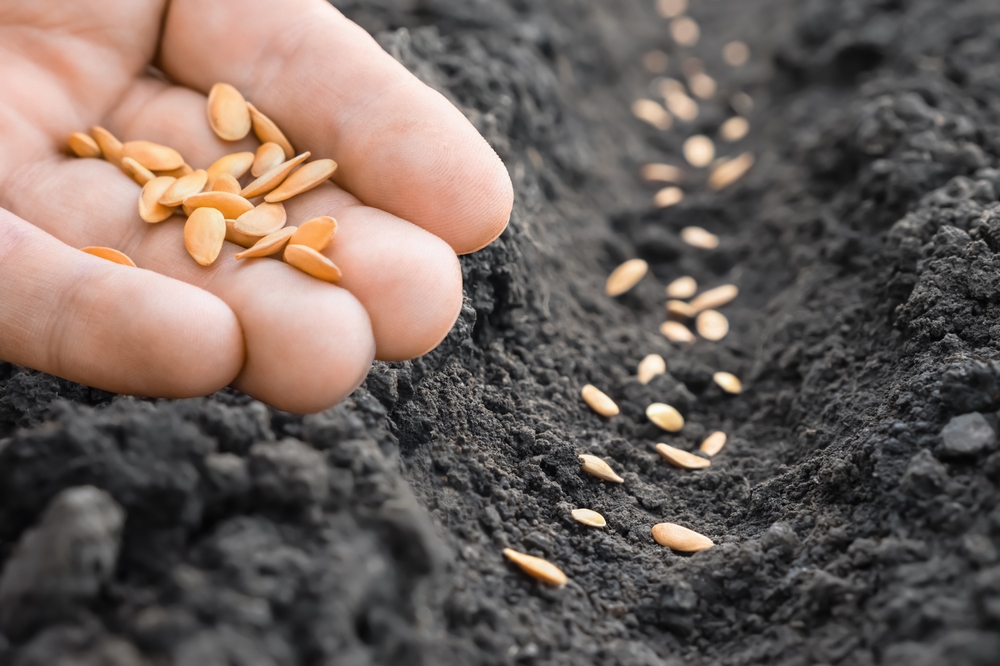
There are plenty of situations where buying older seeds is a smart and practical choice. If you’re planting a large garden and want to experiment with different varieties, discounted seeds can help stretch your budget. They’re also great for succession planting, where you intentionally sow seeds multiple times throughout the season. Even if germination rates are slightly lower, the cost savings can balance things out. Additionally, experienced gardeners often compensate by planting seeds more densely to account for potential losses. With a bit of strategy and awareness of old seeds viability, you can turn bargain-bin seeds into a productive and satisfying harvest.
The Thought for Budget-Savvy Gardeners
Buying last year’s seeds isn’t a gardening sin—it’s just a decision that requires a little more thought and preparation. If you understand how germination rates decline and take steps like testing and proper storage, you can still achieve excellent results. The biggest mistake is assuming all seeds perform the same regardless of age, which can lead to frustration and wasted effort. By focusing on old seeds viability and choosing wisely, you can strike a balance between saving money and growing a thriving garden. In the end, it’s not about whether the seeds are old, but whether you’re using them smartly.
What’s your experience with older seeds—have you scored a great harvest or learned a tough lesson? Share your story in the comments.
You May Also Like…
The Local Library Secret: How to Get Your Seeds for Free This Year
Why Smart Gardeners Buy Seeds in Bulk (And How to Store Them for Decades)
The Common Seedling Mistakes That Destroy Young Plants Before They Grow
5 DIY Bird Deterrents That Protect Seeds and Seedlings
Why Some Seeds Don’t Germinate

Brandon Marcus is a staff writer for FrugalGardening.com at District Media, Inc., where he delivers practical gardening advice with a relatable, no-nonsense style. An avid amateur gardener, he holds a BA degree and with over ten years of professional writing experience, he is also an award-winning published author whose first book, Questions For Deep Thinkers, was released by Adams Media. His work has appeared in major publications including Fandom.com, CHUD.com, TheColdWire.com, and Fansided.com.
Leave a Reply