A droopy tomato plant or a sad-looking fern usually sends gardeners sprinting for the watering can, but that instinct often makes a bad situation much worse. Root rot sneaks into gardens quietly, and it loves gardeners who mistake stress for thirst.
Root rot thrives in soggy soil, poor drainage, and containers that trap moisture like a swampy sponge cake. Fungus-like pathogens such as Pythium and Phytophthora spread aggressively when roots sit in wet conditions for too long. Many gardeners accidentally create the perfect environment for disaster by watering on a strict schedule instead of checking soil conditions first.
Yellow Leaves Can Signal Trouble Underground
Yellow leaves often fool gardeners because they mimic nutrient deficiencies so perfectly. A plant with root rot cannot absorb nitrogen, iron, or magnesium properly, so the leaves fade into pale, tired shades despite fertilizer applications. Gardeners frequently dump more plant food into the soil, which only stresses damaged roots even further. The plant keeps declining while the real culprit hides beneath the dirt. That cycle frustrates countless gardeners every growing season.
The pattern of yellowing offers important clues that many people overlook. Root rot usually causes lower leaves to yellow first while newer growth looks weak and stunted rather than vibrant. Leaves may also feel soft or limp instead of crisp and dry. In vegetable gardens, pepper plants and cucumbers often show yellowing alongside slowed fruit production. Houseplants like pothos and peace lilies commonly develop widespread yellow patches before leaves suddenly drop all at once.
Mushy Stems And Bad Smells Mean Big Problems
Healthy roots and stems smell earthy and clean, like fresh soil after a spring rainstorm. Root rot changes that scent completely and replaces it with a swampy, sour odor that feels impossible to ignore once detected. Gardeners sometimes blame fertilizer or old mulch for the smell, but rotting roots produce a very specific funk. The base of the stem may also soften or darken, especially in container plants. That mushy texture signals severe moisture damage moving upward from the roots.
Stem collapse often follows shortly after these warning signs appear. Herbs such as basil and cilantro can look perfectly fine in the morning and flop over dramatically by evening when root damage reaches critical levels. Indoor plants may wobble loosely in their pots because the roots no longer anchor them securely. Some gardeners mistake this looseness for dry soil and water again, which speeds up the plant’s decline. Once stems start rotting, recovery becomes much harder without aggressive intervention.
Slow Growth Often Reveals The Hidden Damage
Plants suffering from root rot usually stop growing long before dramatic symptoms appear. A tomato plant that should tower over its cage by July may sit stubbornly small and sparse for weeks. Flowering plants may produce tiny blooms or skip blooming entirely because damaged roots cannot support healthy development. Gardeners often blame weather fluctuations or poor fertilizer performance instead of investigating the roots themselves. That delay gives root rot extra time to spread.
Container gardens experience this issue constantly because pots dry unevenly and trap excess moisture near the bottom. A plant may look dry on the surface while roots underneath drown in standing water. Plastic containers create even more risk during humid summers because they retain moisture far longer than terracotta pots. Smart gardeners check drainage holes regularly and lift containers after watering to prevent waterlogged soil from lingering. Fast-growing plants should grow fast, so sluggish growth almost always signals a deeper problem worth investigating.
Overwatering Is Not The Only Culprit
Many people treat root rot like a simple overwatering mistake, but several hidden factors contribute to the problem. Poor soil structure plays a major role because compacted soil blocks oxygen from reaching plant roots. Heavy clay soil becomes especially dangerous after storms because water drains painfully slowly. Mulch piled too tightly against stems can also trap excess moisture around sensitive root zones. Even experienced gardeners accidentally create mini swamps without realizing it.
Temperature swings and overcrowding add more stress that weakens root systems over time. Plants packed closely together compete for airflow and stay damp longer after rain or watering sessions. Raised beds with poor drainage can also develop root rot despite appearing healthy from the surface. Garden centers frequently sell plants already stressed from overwatering, which means some gardeners bring the problem home before planting even begins.
Fast Action Can Still Save Many Plants
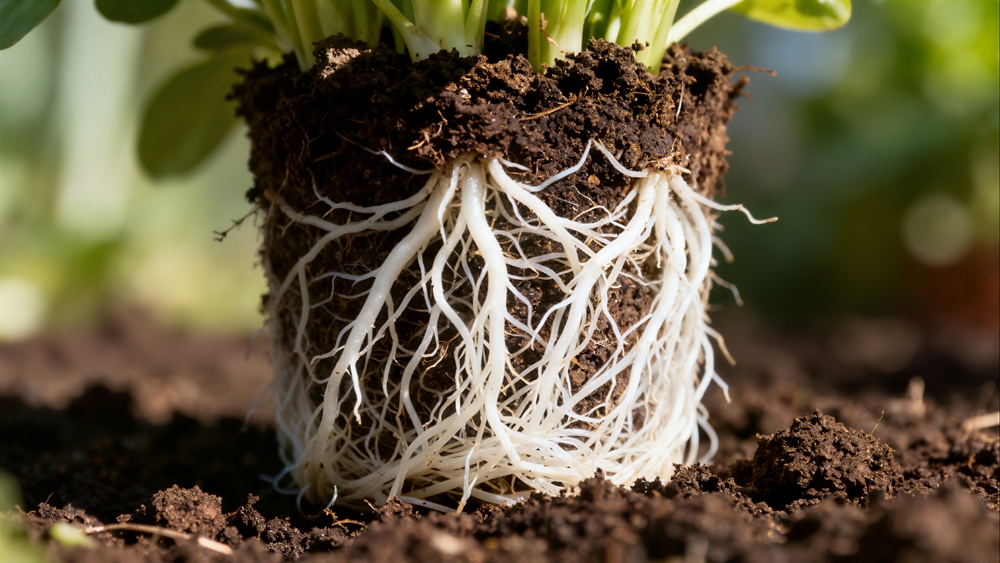
Gardeners can often rescue plants if they catch root rot early enough. The first step involves removing the plant carefully and inspecting the roots directly. Healthy roots appear white and firm, while rotting roots look brown, slimy, or stringy. Trimming damaged roots with sterilized scissors helps stop the spread before replanting in fresh, well-draining soil. That cleanup process gives struggling plants a fighting chance.
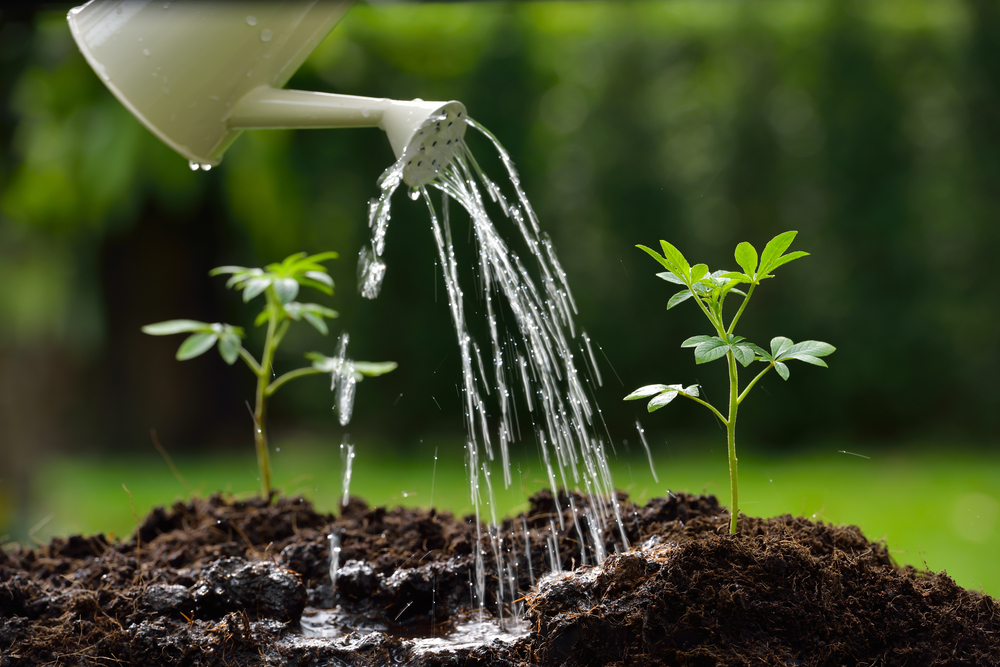
Watering habits also need a serious reset after treatment. Gardeners should check soil moisture with their fingers instead of relying on automatic schedules or guesswork. Containers need proper drainage holes, and saucers should never hold standing water for long periods. Adding compost or coarse material to dense soil improves drainage dramatically in outdoor beds. One small adjustment in watering and soil care can prevent months of frustration and a heartbreaking pile of dead plants.
The Garden’s Silent Warning System
Root rot rarely arrives without warning, but those warnings often hide in plain sight. Yellow leaves, weak growth, soft stems, and strange smells all point toward trouble brewing underground. Gardeners who learn to spot those clues early can save plants before the damage turns irreversible. Healthy roots build the entire foundation for thriving gardens, whether growing tomatoes on a patio or monster monsteras in a living room corner. Ignoring the roots means gambling with the entire plant.
What root rot warning sign surprised you the most, and have any of your plants ever bounced back after catching the problem early? Give us your gardening tales below in the comments.
You May Also Like…
Tips for Growing Strong Roots in Tight, Compacted Soil
Planting Depth Errors That Prevent Roots From Developing Properly
5 Soil Additions That Improve Results Within Weeks
Stop Buying Fertilizer: 6 Free Kitchen Scraps That Supercharge Your Soil
Why Your Hairbrush Holds the Secret to Better Soil Nitrogen

Brandon Marcus is a staff writer for FrugalGardening.com at District Media, Inc., where he delivers practical gardening advice with a relatable, no-nonsense style. An avid amateur gardener, he holds a BA degree and with over ten years of professional writing experience, he is also an award-winning published author whose first book, Questions For Deep Thinkers, was released by Adams Media. His work has appeared in major publications including Fandom.com, CHUD.com, TheColdWire.com, and Fansided.com.
Leave a Reply