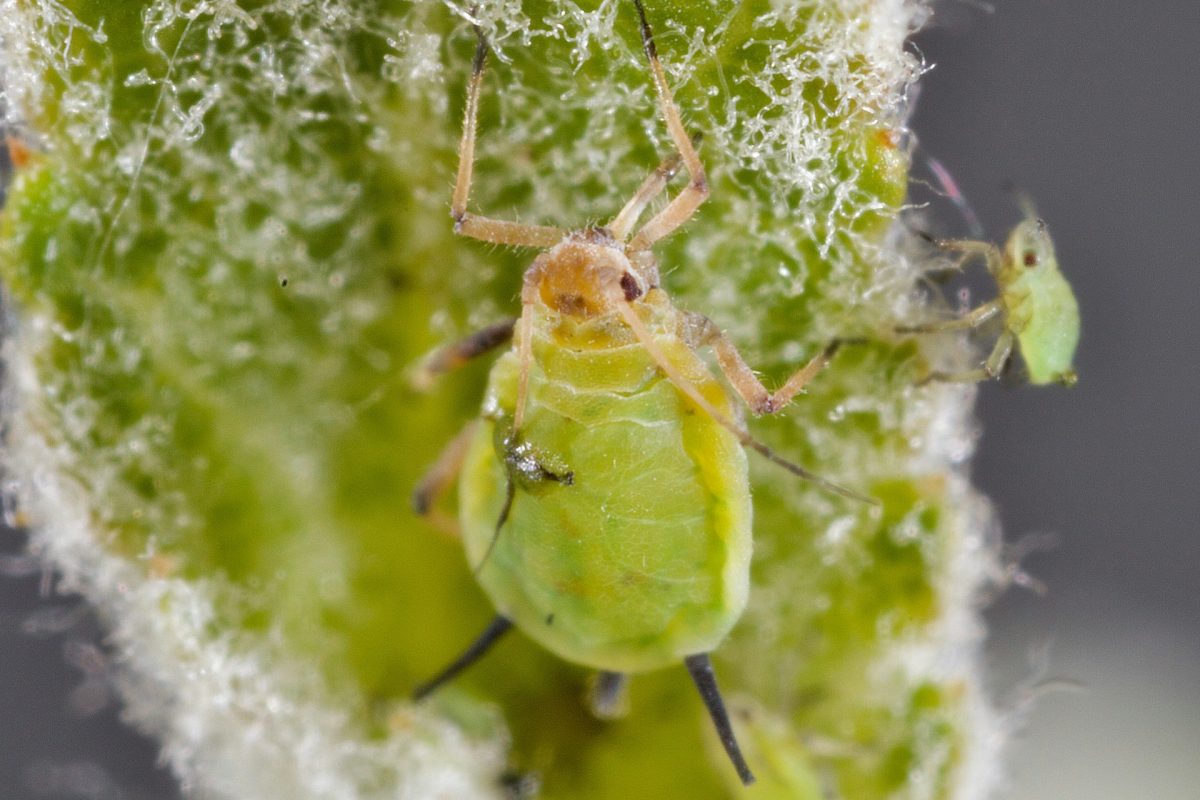
Aphids flourish and spread because they reproduce at an almost unbelievable speed that shocks many gardeners. Did you know that a single aphid can give birth to live young without mating? Plus, warm weather pushes their reproductive cycle into overdrive, especially during spring and early summer. Soft new plant growth gives them exactly what they need to feed and multiply without resistance. Colonies can explode within days, turning a healthy plant into a stressed, curling mess.
These tiny insects also adapt quickly to garden conditions, which helps them survive even when gardeners try basic control methods. Ants often protect aphids in exchange for the sweet honeydew they produce, which creates a hidden partnership that fuels infestations. Once aphids establish a foothold, they spread across nearby plants with surprising efficiency.
Early Warning Signs That Aphids Are Moving In
Aphids rarely announce their arrival loudly, but plants always show subtle distress signals. Leaves begin curling inward or twisting in unusual shapes as aphids feed on tender plant tissue. Sticky residue, known as honeydew, often appears on leaves and attracts ants and sooty mold. New growth may look stunted or distorted, signaling that sap loss has already begun. Careful observation of plant tips often reveals clusters of tiny green, black, or white insects.
Another key sign involves an increase in ant activity around specific plants in the garden. Ants farm aphids and protect them, so their presence often signals a hidden infestation. Flowers may fail to open properly when aphids drain energy from budding growth. Plant vigor drops quickly, even when soil conditions remain ideal. Spotting these early clues gives gardeners a critical advantage before colonies spread further.
Garden Conditions That Invite Aphid Outbreaks
Aphids prefer gardens that offer soft, nitrogen-rich plant growth because it delivers easy nutrition. Over-fertilized plants often produce tender shoots that act like magnets for these pests. Dense planting creates sheltered environments where aphids hide from predators and multiply unnoticed. Warm, dry spells without natural rainfall also reduce the chance of them being washed off plants. Weak air circulation further encourages colonies to settle and expand.
Gardens lacking biodiversity often struggle more with aphid pressure because natural predators fail to establish themselves. Monoculture planting gives aphids a steady food source without interruption. Stress-prone plants become easier targets because their natural defenses weaken under pressure. Even inconsistent watering can create vulnerable growth spurts that attract infestations. Adjusting these environmental factors significantly reduces long-term aphid problems.
Natural Predators That Keep Aphids Under Control
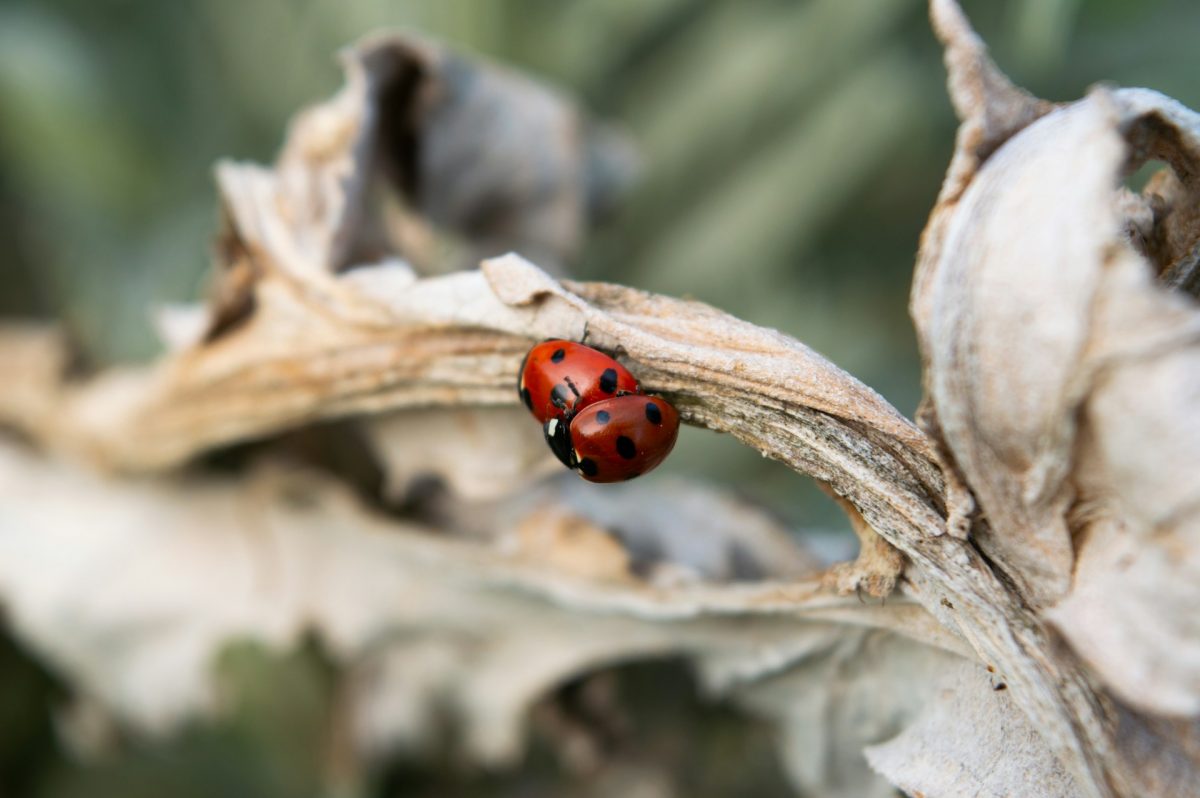
Ladybugs rank among the most effective aphid hunters in any garden ecosystem. A single ladybug can consume dozens of aphids per day, making them powerful natural allies. Lacewings also contribute heavily by targeting aphids during their larval stage. Hoverflies add another layer of protection since their larvae feed aggressively on aphid colonies. These beneficial insects create a natural balance that limits pest outbreaks.
Birds also help control aphid populations when gardens provide safe and inviting habitats. Parasitic wasps lay eggs inside aphids, stopping reproduction from within in a surprisingly efficient cycle. Diverse planting encourages these predators to stay and reproduce within the garden space. Avoiding broad-spectrum insecticides protects these helpful species from unintended harm. Supporting natural predators builds long-term defense against recurring infestations.
Immediate Control Methods That Work Fast
Strong water sprays dislodge aphids quickly and reduce their ability to regroup on plants. Insecticidal soap breaks down their protective outer layer and eliminates them on contact. Neem oil disrupts feeding and reproductive cycles, slowing population growth effectively. Pruning heavily infested stems prevents further spread to healthy areas. Consistent monitoring after treatment ensures colonies do not rebound unnoticed.
Manual removal also works well for small infestations when gardeners act early. Crushing small clusters between fingers or wiping them off with cloth gives immediate relief. Reflective mulch can confuse aphids and reduce their ability to locate plants. Timing treatments early in the morning improves effectiveness because aphids remain less active. Combining methods delivers stronger results than relying on a single approach.
Long-Term Prevention Strategies That Actually Hold Up
Healthy soil forms the foundation of strong, pest-resistant plants that naturally discourage aphids. Companion planting with herbs like mint, garlic, and chives helps repel infestations. Crop rotation disrupts aphid life cycles and reduces recurring outbreaks in vegetable gardens. Encouraging biodiversity ensures predators remain present throughout the growing season. Regular pruning improves airflow and removes weak growth that attracts pests.
Balanced fertilization keeps plant growth strong without producing overly tender shoots. Mulching helps stabilize soil moisture and reduces plant stress during temperature swings. Routine inspection routines catch small infestations before they escalate into full colonies. Gardeners who maintain consistency rarely experience severe aphid outbreaks. Prevention always proves easier than large-scale pest removal.
The Most Common Mistakes That Invite Aphids Back
Overusing nitrogen fertilizer often triggers rapid plant growth that aphids love to exploit. Ignoring early signs allows small colonies to grow into widespread infestations within days. Relying solely on chemical sprays disrupts beneficial insects and creates long-term imbalance. Planting without diversity reduces natural defenses that keep pests in check. Skipping regular inspection gives aphids time to establish strong footholds.
Another frequent mistake involves watering too inconsistently, which stresses plants and weakens their natural resistance. Leaving infected plant material in the garden allows aphids to regroup and spread again. Overcrowded beds trap humidity and create perfect hiding spots for colonies. Failing to encourage predators removes an essential layer of natural protection. Small adjustments in routine care prevent repeated aphid problems more effectively than reactive treatments.
Ready To Keep Aphids Under Control?
Aphid control works best when gardeners act early, stay consistent, and build a balanced ecosystem. Strong plants, natural predators, and smart prevention strategies create a garden that resists infestations naturally. Quick intervention stops small problems from turning into overwhelming outbreaks that damage entire crops. Awareness of early signs gives gardeners the upper hand before aphids gain momentum. A thoughtful, proactive approach always beats emergency pest control after damage appears.
What has worked best for keeping aphids under control in the garden? We desperately want your advice and tips in the comments.
You May Also Like…
Which Plant Pairings Naturally Reduce Pests and Improve Yields
The Eggshell Secret: How One Kitchen Staple Saves You $50 in Pesticides
How to Protect Garden Borders From Pests
Why January Is the Best Time to Prevent Garden Insect Infestations
8 Insects That Actually Help in Fall Gardens

Brandon Marcus is a staff writer for FrugalGardening.com at District Media, Inc., where he delivers practical gardening advice with a relatable, no-nonsense style. An avid amateur gardener, he holds a BA degree and with over ten years of professional writing experience, he is also an award-winning published author whose first book, Questions For Deep Thinkers, was released by Adams Media. His work has appeared in major publications including Fandom.com, CHUD.com, TheColdWire.com, and Fansided.com.
Leave a Reply