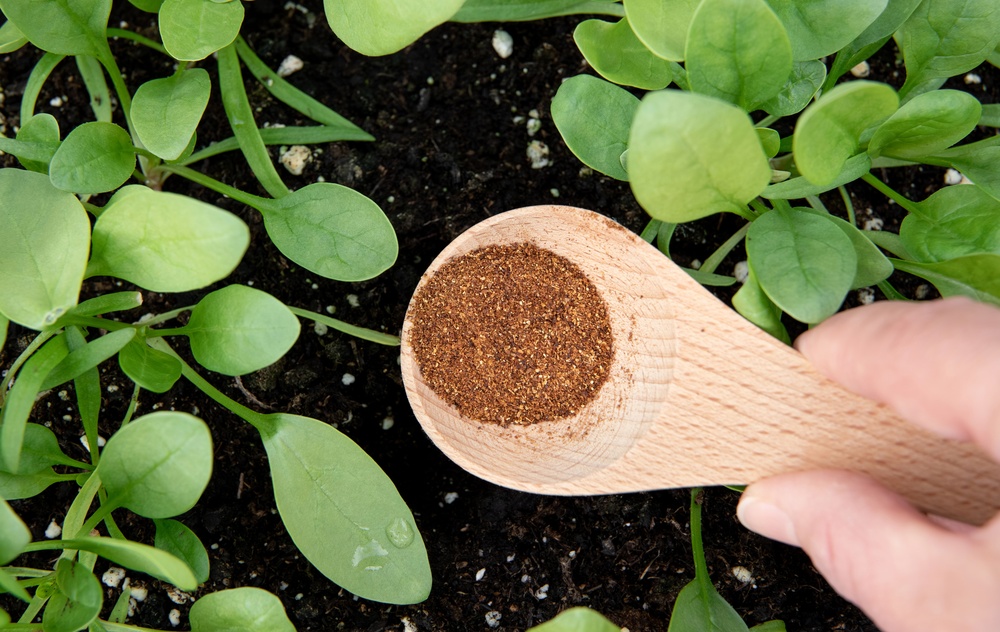
Garden fungus doesn’t just ruin leaves—it quietly sabotages entire harvests. Powdery mildew, damping-off, and leaf spot spread fast, especially in warm, humid conditions, leaving plants weak and unproductive. Store-bought fungicides can cost a surprising amount and often contain chemicals that gardeners hesitate to use around edible crops.
That’s where cinnamon steps in as a simple, low-cost solution hiding in plain sight. This everyday spice delivers natural antifungal power that gardeners have relied on for years, and it costs about a dollar.
Why Cinnamon Works as a Natural Fungicide
Cinnamon contains powerful compounds like cinnamaldehyde that actively fight fungal growth at the microscopic level. These compounds disrupt fungal cell walls, stopping spores before they spread across leaves or soil. Gardeners often notice early-stage infections slow dramatically after just one or two applications of cinnamon powder.
Unlike synthetic fungicides, cinnamon doesn’t introduce harsh chemicals into the garden ecosystem, making it safer for pollinators and soil health. This natural approach appeals to gardeners who want effective results without compromising the quality of their fruits, vegetables, or herbs.
How to Use Cinnamon to Treat Plant Fungus
Applying cinnamon to plants requires no special equipment or complicated mixing. Gardeners can sprinkle a light dusting directly onto affected leaves or over soil where fungus appears. For seedlings, a thin layer of cinnamon helps prevent damping-off, a common fungal issue that kills young plants overnight.
Some gardeners mix cinnamon with water to create a spray, although dry application often delivers stronger results. Consistency matters, so reapply after watering or rain to maintain protection and keep fungal growth under control.
Common Garden Problems Cinnamon Can Fix
Cinnamon tackles several frustrating garden issues beyond visible leaf fungus. Powdery mildew, which appears as a white dusty coating, responds especially well to regular cinnamon treatments. Mold growth on soil surfaces often disappears after a few applications, improving plant health and root conditions. Gardeners also use cinnamon when propagating cuttings because it prevents fungal infections at the cut site. This versatility makes cinnamon one of the most useful and affordable tools in any gardener’s toolkit.
What Cinnamon Can’t Do (And Common Mistakes)
Cinnamon works best as a preventative or early-stage treatment, not a cure for severe infestations. Heavy fungal infections often require pruning or removing affected plants to stop the spread completely. Overapplying cinnamon can create a thick layer that blocks moisture from reaching soil, which may stress plants instead of helping them. Some gardeners expect instant results, but natural treatments require patience and consistent use. Understanding these limitations helps avoid frustration and ensures cinnamon works as intended.

Why This $1 Hack Saves Money and Plants
Commercial fungicides can cost anywhere from $10 to $25 per bottle, especially for organic options. Cinnamon delivers similar preventative benefits at a fraction of the price, making it ideal for budget-conscious gardeners. A single container lasts through multiple growing seasons, especially when used sparingly. This approach reduces gardening costs while still protecting plants effectively. The combination of affordability, accessibility, and proven results makes cinnamon a smart choice for both beginners and experienced growers.
The Secret Weapon Sitting in Your Spice Rack
Cinnamon transforms from a baking staple into a powerful garden ally with almost no effort. It protects plants, reduces fungal outbreaks, and saves money without adding complexity to gardening routines. Gardeners who adopt this simple trick often find fewer plant losses and healthier growth overall. The key lies in early application and consistent use throughout the growing season. Sometimes the most effective solutions don’t come from a garden center—they come straight from the kitchen.
Have you ever tried using cinnamon in your garden, or do you have another natural trick that works even better? We want to hear your thoughts, advice, and insights in the comments below.
You May Also Like…
Spring Forward, Spend Less: The Best Early-Season Budget Hacks
Tips for Transplanting Without Causing Shock
The Spring “Pound” Trick: How to Get 10lbs of Food from One $2 Seed Packet
4 Composting Tricks That Work Better Than Store-Bought Bags
8 Seed-Saving Tips That Help You Avoid Buying Packets Every Season

Brandon Marcus is a staff writer for FrugalGardening.com at District Media, Inc., where he delivers practical gardening advice with a relatable, no-nonsense style. An avid amateur gardener, he holds a BA degree and with over ten years of professional writing experience, he is also an award-winning published author whose first book, Questions For Deep Thinkers, was released by Adams Media. His work has appeared in major publications including Fandom.com, CHUD.com, TheColdWire.com, and Fansided.com.
Leave a Reply