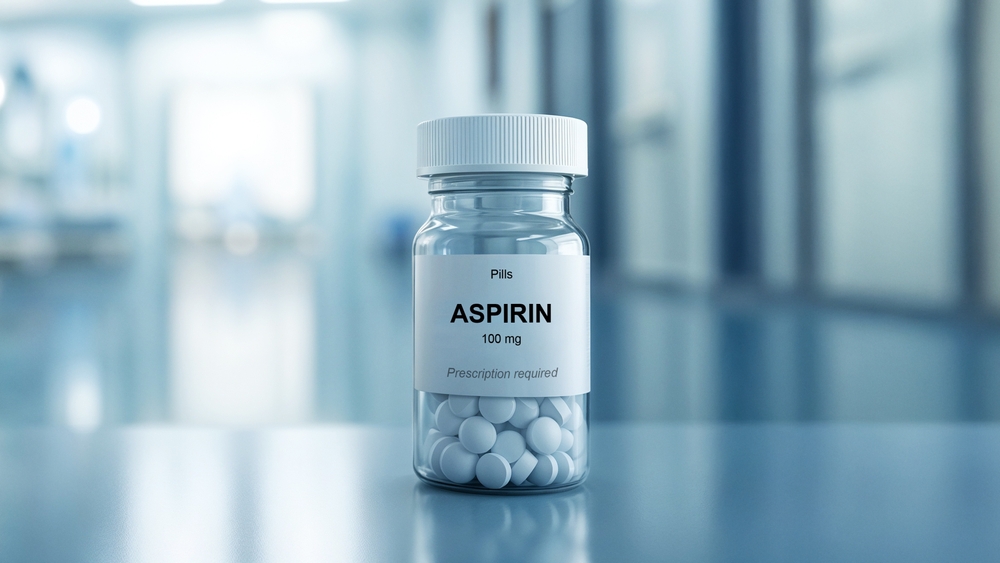
Gardeners enjoy a good hack, especially one that costs pocket change and delivers real results. That tiny aspirin tablet sitting in a medicine cabinet holds surprising power far beyond headache relief. Plants respond to aspirin in a way that feels almost like a secret handshake with nature itself.
With the right approach, this simple trick can strengthen plant defenses, encourage growth, and even improve resilience during stress. The best part lies in how easy and affordable this method remains for anyone with a garden, houseplants, or even a few herbs on a windowsill.
Why Aspirin Works Wonders for Plants
Aspirin contains salicylic acid, a compound that plants naturally produce when they face stress or threats. This acid plays a key role in activating a plant’s internal defense system, helping it fight off disease and environmental challenges. When gardeners apply aspirin for plants, they essentially give plants a gentle nudge to boost their immunity. Stronger immunity means better resistance to fungal infections, bacteria, and even some pests. This natural process makes aspirin a powerful ally without introducing harsh chemicals into the soil.
How to Use Aspirin for Plants the Right Way
Using aspirin for plants requires a simple but precise approach to avoid overdoing it. One standard method involves dissolving one regular, uncoated aspirin tablet in about one gallon of water. Gardeners then spray the solution directly onto leaves or pour it lightly into the soil around the base. This mixture works best when applied every two to three weeks during the growing season. Consistency matters more than frequency, so a steady routine delivers better results than random applications. Clean tools and fresh solutions ensure plants receive the full benefit without contamination.
Real Benefits You Can Actually See
Plants treated with aspirin often show noticeable improvements within a few weeks. Leaves appear greener and more vibrant because stronger immunity supports healthier growth. Some gardeners report increased flowering and fruit production, especially in crops like tomatoes and peppers. Aspirin for plants also helps reduce transplant shock, which often stunts growth when moving plants to new locations. These visible changes make the method appealing because results show up clearly without guesswork.
Common Mistakes That Can Backfire
Even a simple trick like aspirin for plants can cause problems when used incorrectly. Overuse stands as the biggest mistake, since too much salicylic acid can stress plants instead of helping them. Using coated or flavored aspirin may introduce unwanted additives that harm soil quality. Applying the solution under intense sunlight can scorch leaves, especially delicate ones. Ignoring plant type also creates issues because some species respond better than others. Careful attention to dosage and timing keeps this method safe and effective.
Which Plants Benefit the Most
Not every plant reacts the same way to aspirin, but many common varieties respond extremely well. Vegetables like tomatoes, cucumbers, and beans often show stronger growth and improved yields. Houseplants such as pothos and peace lilies can also benefit from occasional treatments. Outdoor flowers like roses and marigolds tend to develop better resistance to disease with consistent use. Aspirin for plants works especially well in environments where stress factors like heat, drought, or pests frequently occur. Choosing the right plants maximizes the payoff from this simple technique.
The Science Behind the Garden Hack
Researchers have explored the connection between salicylic acid and plant immunity for years. Studies show that salicylic acid triggers systemic acquired resistance, a process where plants prepare themselves to fight off future threats. This response acts like a built-in alarm system that strengthens the entire plant, not just the treated area. Aspirin for plants taps into this natural mechanism without requiring expensive fertilizers or treatments. Scientific backing gives this trick credibility beyond garden folklore, making it a reliable option for both beginners and experienced growers.
A Smarter, Cheaper Way to Grow Stronger Plants
A thriving garden does not always require expensive products or complicated routines. Aspirin for plants offers a low-cost, science-backed solution that fits easily into any gardening routine. With proper use, this simple pill can boost plant immunity, improve growth, and reduce common gardening frustrations. Careful application ensures plants stay healthy without unnecessary risks or wasted effort. Smart gardeners embrace methods that deliver results without draining time or money, and this trick checks every box.
Could a simple aspirin tablet transform struggling plants into thriving ones in your space? Share thoughts, experiences, or favorite gardening tricks in the comments below.
You May Also Like…
Why Your “Weeds” Are Actually a Free Superfood Salad
The Newspaper Layer: How to Kill Weeds Without Spending a Cent on Chemicals
The “Lazy” Garden Method: Save Money by Doing Less Work
12 Zero‑Waste Gardening Ideas That Turn Scraps Into Something Useful
The March Madness Garden: 10 Things to Plant Before the Final Frost

Brandon Marcus is a staff writer for FrugalGardening.com at District Media, Inc., where he delivers practical gardening advice with a relatable, no-nonsense style. An avid amateur gardener, he holds a BA degree and with over ten years of professional writing experience, he is also an award-winning published author whose first book, Questions For Deep Thinkers, was released by Adams Media. His work has appeared in major publications including Fandom.com, CHUD.com, TheColdWire.com, and Fansided.com.
Leave a Reply