Healthy soil doesn’t come from a bag—it comes from smart, creative choices that turn everyday waste into garden gold. Rich, dark, crumbly soil fuels strong roots, boosts plant growth, and keeps moisture exactly where it belongs, but no one needs to spend money on store-bought compost to get there. The real secret hides in plain sight, tucked into kitchens, yards, and even forgotten corners of the home. Once these hidden resources come into play, the garden transforms from average to wildly productive without draining a wallet.
The best part? These methods don’t require complicated systems or expensive tools. They rely on simple habits that build over time and reward patience with visible results. Every banana peel, fallen leaf, and patch of grass clippings carries potential, and the soil responds quickly when it receives consistent organic input. With a few clever strategies, even the most tired garden beds can bounce back to life.
1. Kitchen Scraps That Refuse to Go to Waste
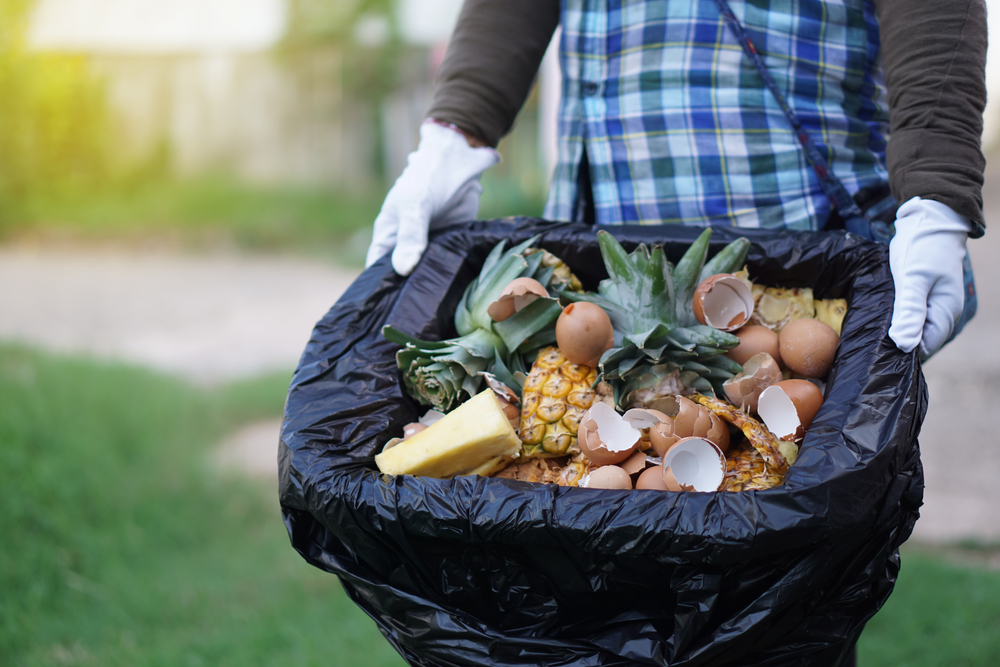
Kitchen scraps hold more power than most people give them credit for, and they can transform soil when used properly. Fruit peels, vegetable trimmings, coffee grounds, and even crushed eggshells break down into valuable nutrients that plants crave. Instead of tossing these scraps into the trash, gardeners can bury them directly into garden beds or containers. This method, often called trench composting, keeps things simple while feeding the soil exactly where plants need it most. Microorganisms and worms jump into action almost immediately, breaking everything down into usable nutrients. That process enriches the soil structure while improving water retention and aeration.
This approach works best when scraps get chopped into smaller pieces before burial, since smaller bits decompose faster and attract fewer pests. It also helps to rotate where scraps get buried so no single area becomes overloaded. Strong-smelling items like onion skins or citrus peels can go in, but moderation keeps things balanced. Meat and dairy should stay out entirely, since they invite unwanted critters and slow the process down. Consistency matters here, so adding scraps regularly builds a steady cycle of enrichment. Over time, the soil becomes darker, looser, and noticeably more fertile without ever relying on purchased compost.
2. Leaves: Nature’s Free Soil Booster
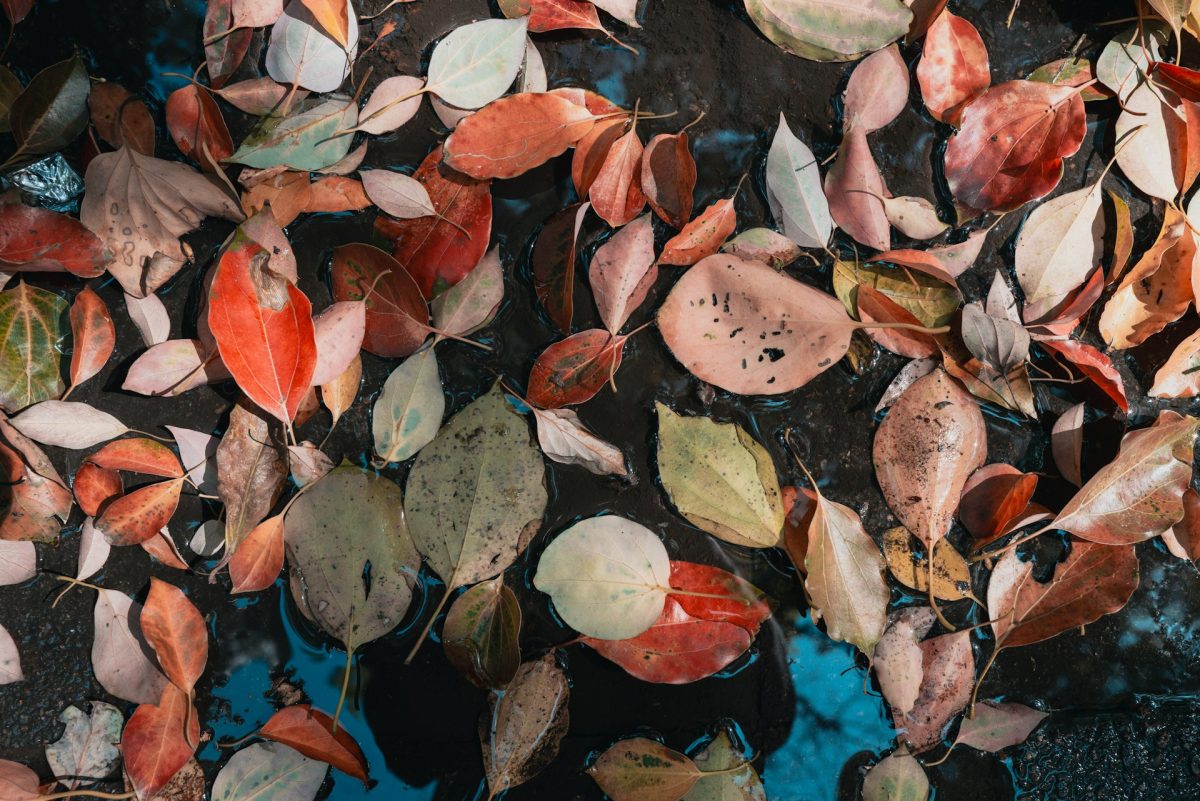
Fallen leaves bring one of the easiest and most effective ways to add organic matter, yet many people bag them up and send them away. Those leaves contain carbon-rich material that balances soil structure and supports beneficial microbes. When spread across garden beds, they act as a natural mulch that protects soil from erosion and temperature swings. As they break down, they slowly release nutrients while improving soil texture. This process doesn’t require much effort, but it delivers long-term benefits that commercial products struggle to match.
Shredding leaves before adding them speeds things up dramatically and prevents them from forming dense mats that block water. A quick run over them with a lawn mower does the trick and creates a light, fluffy material that blends easily into the soil. Mixing shredded leaves into garden beds in the fall sets the stage for nutrient-rich soil by spring. Even during the growing season, a thin layer of leaf mulch helps retain moisture and suppress weeds. This method works quietly in the background while building healthier soil with every passing week. It turns a seasonal nuisance into one of the most valuable gardening tools available.
3. Grass Clippings That Pull Double Duty
Fresh grass clippings deliver a nitrogen boost that fuels plant growth and energizes soil life. Instead of bagging and discarding them, gardeners can spread clippings directly onto garden beds as a mulch. This layer helps lock in moisture, regulate temperature, and prevent weeds from taking over. As the clippings decompose, they release nutrients that plants can absorb almost immediately. That steady supply of nitrogen supports leafy growth and keeps gardens looking vibrant.
Thin layers work best, since thick piles can mat down and create unpleasant odors. Allowing clippings to dry slightly before applying them reduces that risk and makes them easier to spread evenly. Mixing grass clippings with carbon-rich materials like leaves creates a balanced blend that decomposes more efficiently. This combination mimics traditional composting without requiring a dedicated pile. Regular applications throughout the growing season keep soil active and productive. Over time, this simple habit builds richer soil that supports stronger, healthier plants.
4. Coffee Grounds That Wake Up the Soil
Used coffee grounds don’t just belong in the trash—they belong in the garden. These grounds add nitrogen, improve soil structure, and attract earthworms that help break everything down. Sprinkling them directly onto the soil or mixing them into garden beds creates an immediate boost for microbial activity. That activity plays a critical role in turning organic matter into nutrients that plants can use. Coffee grounds also help loosen compacted soil, making it easier for roots to grow and expand.
Balance matters when using coffee grounds, since too much can create dense layers that slow water movement. Mixing them with other organic materials prevents that issue and keeps the soil light and workable. Grounds pair especially well with leaves or grass clippings, forming a well-rounded mix of nutrients. Even small, regular additions make a noticeable difference over time. The soil becomes more alive, more active, and far more supportive of plant growth. This everyday waste item quietly transforms into a powerful soil-building tool.
5. Cardboard and Paper That Build Better Beds
Plain cardboard and uncoated paper offer a surprisingly effective way to add organic matter while improving soil structure. These materials break down slowly, feeding soil microbes and helping retain moisture. Layering cardboard directly onto garden beds also suppresses weeds, creating a clean slate for planting. Over time, it softens and integrates into the soil, leaving behind valuable organic material. This method works especially well when starting new garden areas or revitalizing tired soil.
Removing tape, labels, and glossy coatings ensures that only safe materials go into the garden. Wetting the cardboard before placing it helps it settle into the soil and speeds up decomposition. Covering it with leaves, grass clippings, or soil keeps it in place and encourages faster breakdown. This layered approach creates a rich environment where worms and microbes thrive. As everything decomposes, the soil becomes softer and more fertile. It’s a low-cost, low-effort strategy that delivers impressive results over time.
6. Plant Trimmings That Keep Giving Back
Garden maintenance always produces plant trimmings, and those cuttings can go right back into the soil. Instead of discarding them, gardeners can chop them up and spread them across beds as mulch. These trimmings break down quickly, returning nutrients to the soil and supporting ongoing growth. This cycle keeps valuable organic material within the garden rather than sending it elsewhere. It also reduces waste while improving soil health in a very direct way.
Chopping the material into smaller pieces speeds up decomposition and prevents clumping. Mixing green trimmings with dry materials like leaves creates a balanced environment that breaks down efficiently. This method works well throughout the growing season and adapts easily to different types of plants. It keeps the soil covered, protected, and constantly enriched. Over time, the garden develops a self-sustaining rhythm that relies less on outside inputs. That rhythm leads to healthier plants and more productive harvests.
7. Manure Magic Without the Price Tag
Animal manure adds a powerful dose of organic matter, and it often comes free from local farms or stables. Well-aged manure improves soil structure, boosts nutrient levels, and enhances microbial activity. When mixed into garden beds, it creates a fertile environment that supports strong plant growth. This natural resource has fueled agriculture for centuries, and it still delivers reliable results today. It brings a rich blend of nutrients that plants can access over time.
Fresh manure needs time to age before it goes into the garden, since it can burn plants and carry harmful pathogens. Composting or aging it for several months solves that problem and makes it safe to use. Applying it in the fall allows it to break down further before the next growing season. Different types of manure offer different nutrient levels, but all contribute valuable organic matter. This option requires a bit more effort to source, but the payoff makes it worthwhile. It delivers a major boost to soil health without adding cost.
8. Mulch Layers That Transform Everything
Mulching stands out as one of the simplest and most effective ways to build organic matter over time. Organic mulches like straw, wood chips, and shredded leaves protect the soil while gradually breaking down. This process feeds soil organisms, improves structure, and enhances moisture retention. A well-mulched garden needs less watering, fewer weed interventions, and less overall maintenance. It creates a stable environment where plants can thrive.
Applying mulch in layers ensures even coverage and better results. Keeping the mulch a few inches away from plant stems prevents rot and allows proper airflow. As the mulch decomposes, it blends into the soil and increases its organic content. Reapplying mulch throughout the year keeps the cycle going and maintains consistent benefits. This steady input builds rich, resilient soil that supports long-term success. It turns a simple protective layer into a powerful soil-building system.
Soil That Works Smarter, Not Harder
Great soil doesn’t demand a big budget—it rewards smart habits and a willingness to use what already exists. Each of these methods builds on the same idea: organic matter fuels life below the surface, and that life supports everything above it. When soil receives consistent input from natural sources, it becomes more productive, more resilient, and far easier to manage. Plants grow stronger, water stays where it belongs, and the entire garden feels more balanced. That transformation doesn’t happen overnight, but steady effort delivers undeniable results.
Which of these ideas feels easiest to try first, and what other creative ways have worked to boost soil naturally? Drop those thoughts and strategies into the comments and keep the conversation growing.
You May Also Like…
Why Your Compost Isn’t Heating Up and How to Fix It Fast
4 Composting Tricks That Work Better Than Store-Bought Bags
The Cheapest Way to Build a Compost Bin
Studies Find Dangerous Bacteria in DIY Compost — Experts Urge Caution
8 Winter Compost Additives That Speed Up Breakdown

Brandon Marcus is a staff writer for FrugalGardening.com at District Media, Inc., where he delivers practical gardening advice with a relatable, no-nonsense style. An avid amateur gardener, he holds a BA degree and with over ten years of professional writing experience, he is also an award-winning published author whose first book, Questions For Deep Thinkers, was released by Adams Media. His work has appeared in major publications including Fandom.com, CHUD.com, TheColdWire.com, and Fansided.com.
Leave a Reply