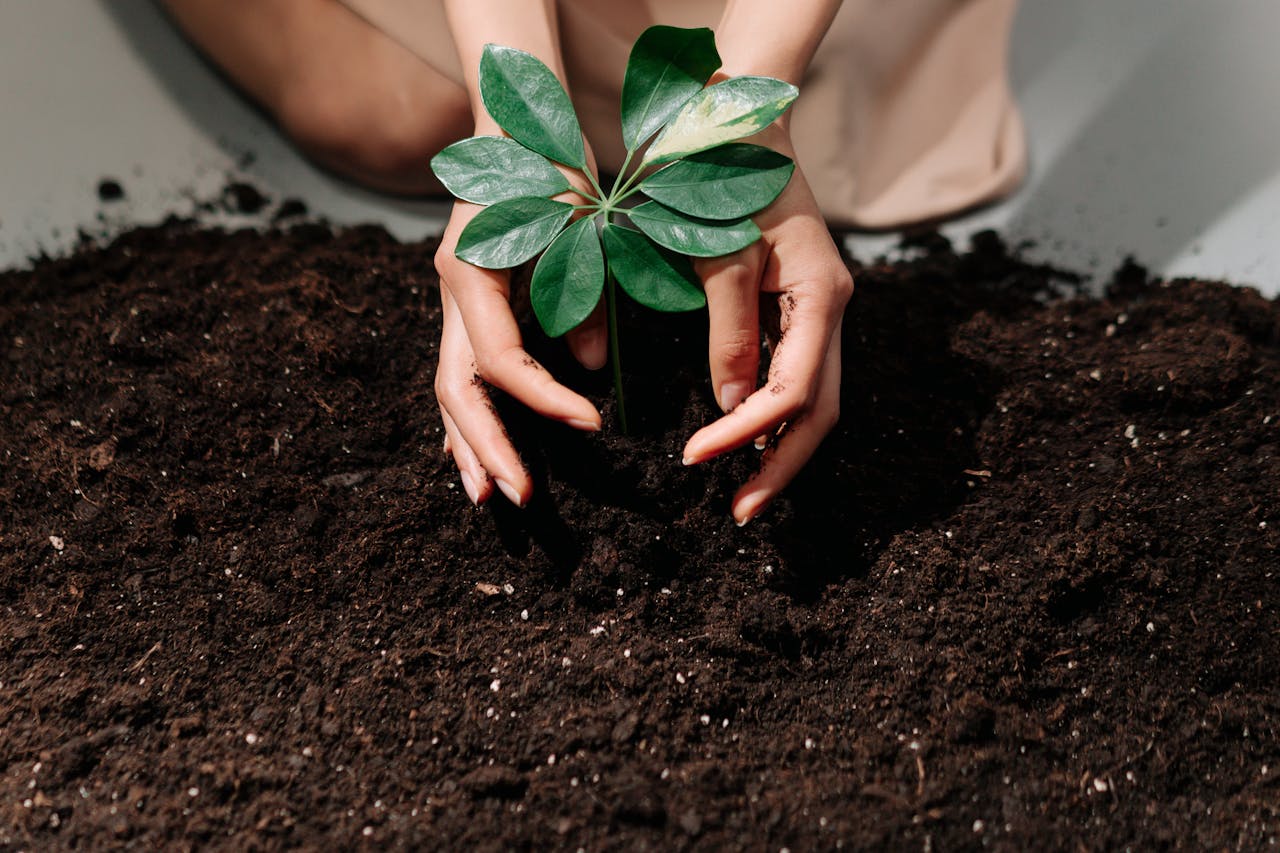
Soil doesn’t lie. Plants either thrive with bold, vibrant growth or struggle like they’re stuck in slow motion, and uneven pH often sits right at the center of that drama. One patch bursts with life while another barely pushes out a leaf, and that uneven performance can turn a promising garden into a frustrating guessing game. Skip the expensive gadgets for a second, because the ground itself offers plenty of clues about what’s going on beneath the surface.
Great gardening doesn’t depend on fancy tools as much as it relies on paying attention, making smart adjustments, and working with nature instead of against it. Soil pH shapes how plants absorb nutrients, and when that balance slips too far in either direction, growth suffers fast. The good news is that fixing uneven soil pH doesn’t require a shopping spree or a chemistry degree.
Let the Plants Tell the Story
Plants act like living indicators, and they give surprisingly accurate hints about soil pH without saying a word. Certain plants thrive in acidic soil, while others demand more neutral or alkaline conditions, so observing what grows well—and what doesn’t—can reveal a lot. For example, lush growth from blueberries or azaleas points toward acidic soil, while strong growth from vegetables like cabbage or asparagus often suggests a more neutral to alkaline environment. When plants struggle, yellow leaves or stunted growth can signal that nutrients aren’t being absorbed properly due to pH imbalance.
Take a slow walk through the garden and really study what’s happening. Notice patterns instead of focusing on individual plants, because uneven soil often shows up in patches. One area might produce healthy foliage, while another looks dull and lifeless, even with the same care. That contrast tells a story worth paying attention to. Using these natural signals allows gardeners to make informed adjustments without relying on test kits. With time, those observations become second nature and guide smarter decisions.
The Vinegar and Baking Soda Trick
A simple kitchen experiment can offer quick clues about soil pH levels. Grab two small samples of soil from different areas and place them in separate containers. Pour vinegar onto one sample and watch for fizzing, which indicates alkaline soil due to a reaction with calcium carbonate. Then add water and baking soda to another sample; fizzing here suggests acidic soil. While this method doesn’t provide precise numbers, it gives a general idea of where the soil stands.
This quick test works best as a starting point rather than a final answer. Use it to compare different sections of the garden and identify uneven spots. Combining these results with plant observations creates a clearer picture of what’s happening underground. It’s simple, inexpensive, and surprisingly effective for guiding next steps. Once the general direction is clear, adjusting the soil becomes much easier.
Compost: The Ultimate Balancer
Compost works like a reset button for soil, gently nudging pH levels toward a more neutral balance over time. It improves structure, boosts microbial life, and enhances nutrient availability, all while helping smooth out extreme acidity or alkalinity. Unlike quick-fix solutions, compost builds long-term health in the soil. That steady improvement makes it one of the most reliable tools for correcting uneven pH.
Spread compost evenly across problem areas and mix it into the top layer of soil. Regular applications throughout the growing season keep conditions stable and supportive for plant growth. Compost doesn’t shock the soil or create sudden changes, which makes it ideal for maintaining balance. Over time, those uneven patches begin to level out, and plants respond with stronger, healthier growth.
Lime for Acidic Soil: Use It Wisely
When soil leans too acidic, lime steps in as a powerful correction tool. It raises pH levels and makes nutrients more accessible to plants, especially calcium and magnesium. However, applying too much lime too quickly can create new problems, so a measured approach matters. Gradual adjustments allow the soil to respond without overwhelming it.
Apply lime evenly across acidic areas and work it into the soil carefully. Timing also plays a role, as fall and early spring applications often produce the best results. Pair lime use with organic matter like compost to maintain overall soil health. Watching how plants respond after application helps guide future adjustments. With patience and consistency, lime can transform overly acidic soil into a balanced growing environment.
Sulfur for Alkaline Soil: A Gentle Shift
Alkaline soil can lock up essential nutrients, making it harder for plants to thrive. Sulfur offers a solution by slowly lowering pH levels, but it works best when applied thoughtfully. Unlike quick chemical fixes, sulfur interacts with soil microbes to create gradual change. That slow process ensures stability and reduces the risk of overcorrection.
Spread sulfur in targeted areas where alkaline conditions show up, and mix it into the soil for better effectiveness. Watering the area helps activate the process and encourages microbial activity. Keep an eye on plant health as changes take place, because improvements often appear gradually. Combining sulfur with organic matter enhances results and supports long-term balance. This approach turns stubborn alkaline soil into a more welcoming space for a wider range of plants.
Mulch Magic: More Than Just a Pretty Layer
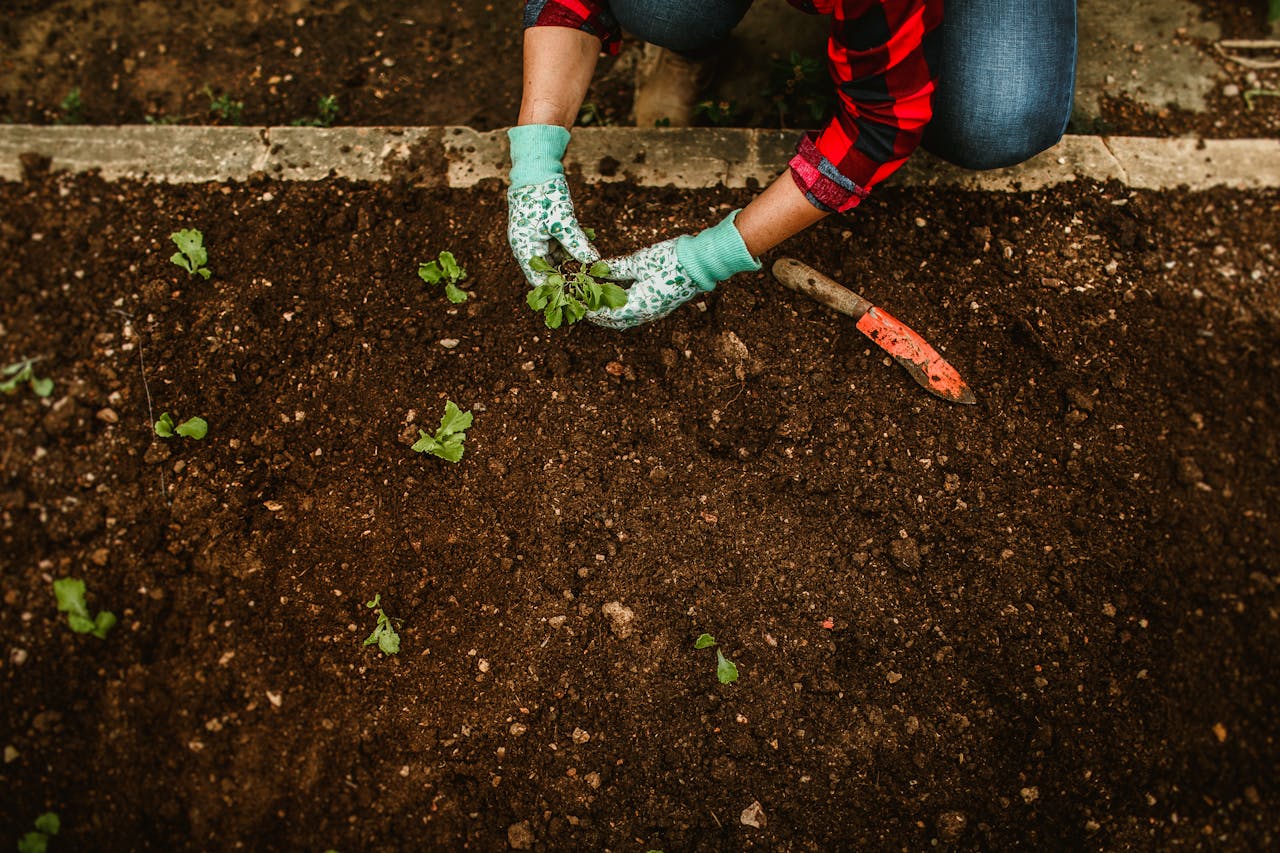
Mulch does more than make a garden look polished—it plays a key role in maintaining soil balance. Organic mulches like pine needles, bark, or leaves can gently influence pH over time, depending on their composition. Pine needles, for example, can slightly acidify soil as they break down, while other materials help stabilize conditions. That slow transformation adds another layer of control without requiring constant effort.
Apply mulch evenly and refresh it regularly to keep benefits consistent. As it decomposes, it feeds the soil and supports microbial life, which in turn helps regulate pH naturally. Mulch also retains moisture and prevents erosion, creating a more stable environment overall. With the right materials and consistent use, mulch becomes a quiet but powerful ally in balancing uneven soil.
Water Quality Matters More Than You Think
Water often gets overlooked in soil discussions, but it plays a major role in shaping pH over time. Hard water, which contains higher levels of minerals, can gradually make soil more alkaline. Rainwater, on the other hand, tends to be slightly acidic and can help balance alkaline conditions. Paying attention to water sources adds another layer of control without much extra effort.
Collecting rainwater for irrigation can make a noticeable difference, especially in areas with alkaline soil. If hard water is the only option, adding organic matter can help counteract its effects. Monitoring how soil responds to different watering methods provides valuable insight. Small changes in watering habits can lead to big improvements in soil balance over time.
Balance Without the Guesswork
Uneven soil pH doesn’t have to feel like a mystery or an expensive problem waiting to be solved. With careful observation, simple tests, and smart use of natural materials, balance becomes achievable without relying on costly tools. Each adjustment builds on the last, creating a healthier, more productive garden over time. The key lies in consistency, patience, and paying attention to what the soil and plants reveal.
Which method feels like the easiest place for you to start, and what tricks have helped bring stubborn soil back into balance? Share thoughts, ideas, or even a few gardening wins in the comments.
You May Also Like…
What Ant Trails in Your Yard Really Mean for Soil and Plant Health
Why Your Garden Hose Could Be Leaching Chemicals Into Your Soil
5 Warning Signs Your Soil Is Too Compacted for Healthy Root Development
7 Soil Amendments Many Gardeners Forget to Use That Improve Plant Growth
How to Stretch One Bag of Soil Through the Season

Brandon Marcus is a staff writer for FrugalGardening.com at District Media, Inc., where he delivers practical gardening advice with a relatable, no-nonsense style. An avid amateur gardener, he holds a BA degree and with over ten years of professional writing experience, he is also an award-winning published author whose first book, Questions For Deep Thinkers, was released by Adams Media. His work has appeared in major publications including Fandom.com, CHUD.com, TheColdWire.com, and Fansided.com.
Leave a Reply