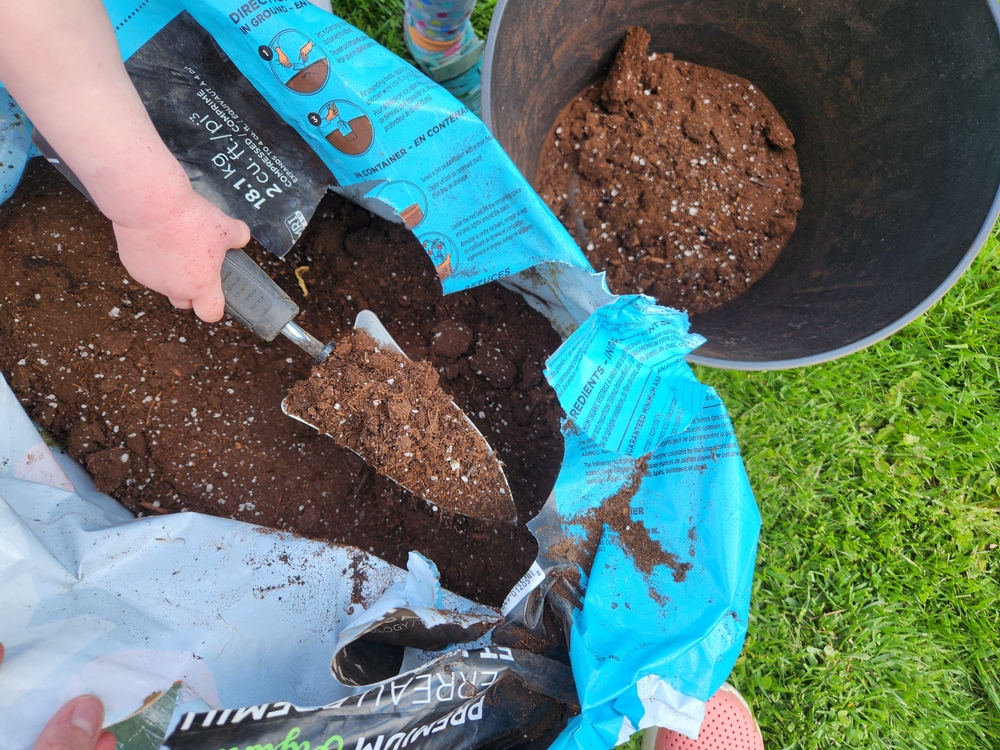
A single bag of soil can feel like both a blessing and a challenge. One bag might seem small at first glance, but with smart planning and a few clever tricks, it can carry plants through an entire growing season. Stretching soil isn’t about doing less—it’s about doing more with what you have, treating every scoop as a precious resource and letting it deliver maximum impact. From container gardening to raised beds, the goal is to keep plants happy, healthy, and productive without constantly buying replacements.
Soil is more than just dirt; it’s the foundation of growth, the starting point for flowers, vegetables, and herbs that keep spaces vibrant and productive. Managing it efficiently requires strategy, attention, and some playful experimentation. Simple adjustments, layering techniques, and nutrient boosters can all extend the life of a single bag and keep plants thriving from spring to fall. With intentional care, one bag can do far more than it seems capable of, and clever gardening strategies make every scoop count.
1. Mix Smart, Plant Smart
A bag of soil lasts longer when it’s combined thoughtfully with other components. Start by mixing it with compost, peat moss, or coconut coir to increase volume and improve structure. These additions lighten heavy soil, enhance water retention, and give roots more room to breathe. Choosing the right mixture also prevents compaction, which can suffocate plants and stunt growth. Layering soil and amendments in containers or beds provides better drainage and aeration, and it ensures nutrients are evenly distributed across the root zone.
Planning planting density carefully also stretches soil further. Avoid overfilling pots or beds, and leave space between plants to allow growth without overcrowding. Smaller starter pots or spacing out seedlings can save soil while still letting plants flourish. Reusing soil from past crops after adding nutrients and fresh amendments reduces waste. Healthy soil management isn’t just about quantity—it’s about quality and balance. When roots have room, water can circulate properly, and nutrients stay effective longer.
2. Reuse and Refresh Soil Throughout the Season
Soil doesn’t disappear once it’s been planted—it can be revitalized for the next cycle. After harvesting vegetables or annual flowers, remove roots and debris, and mix in compost or a slow-release fertilizer to restore nutrients. Aerate compacted soil with a hand fork or small garden tool to loosen it and improve airflow. These steps refresh the soil and make it ready for a second planting without needing a full new bag. Even a simple mix-in of organic matter can dramatically extend the usability of soil for multiple crops or plant rotations.
Cover crops or green mulch also help maintain soil quality. Planting legumes, clover, or other nitrogen-fixing varieties replenishes nutrients naturally. Layering leaves, grass clippings, or shredded plant matter between cycles prevents erosion and conserves moisture. Reusing soil is both economical and environmentally friendly, saving money and reducing waste. Every layer of care multiplies the value of the original bag. A consistent approach to refreshing soil ensures plants get the nutrients they need throughout the season.
3. Water Wisely, Save Soil
Efficient watering practices do more than keep plants hydrated—they protect soil and nutrients from washing away. Avoid overwatering, which leaches essential minerals and compacts soil. Instead, focus on deep, less frequent watering that encourages roots to grow downward, making plants more resilient and less dependent on constant irrigation. Mulching surfaces helps retain moisture, moderates soil temperature, and keeps the soil structure intact.
Position containers in areas that balance sunlight and airflow to reduce evaporation. Grouping plants with similar water needs together prevents wasting water on species that don’t require as much. Collect rainwater when possible to provide a nutrient-rich, natural source for watering. Using watering cans or drip systems instead of hoses reduces soil disruption, and targeted hydration keeps nutrients in place. Strategic watering ensures that the soil remains healthy, productive, and efficient throughout the growing season.
4. Feed Plants, Not the Soil Alone
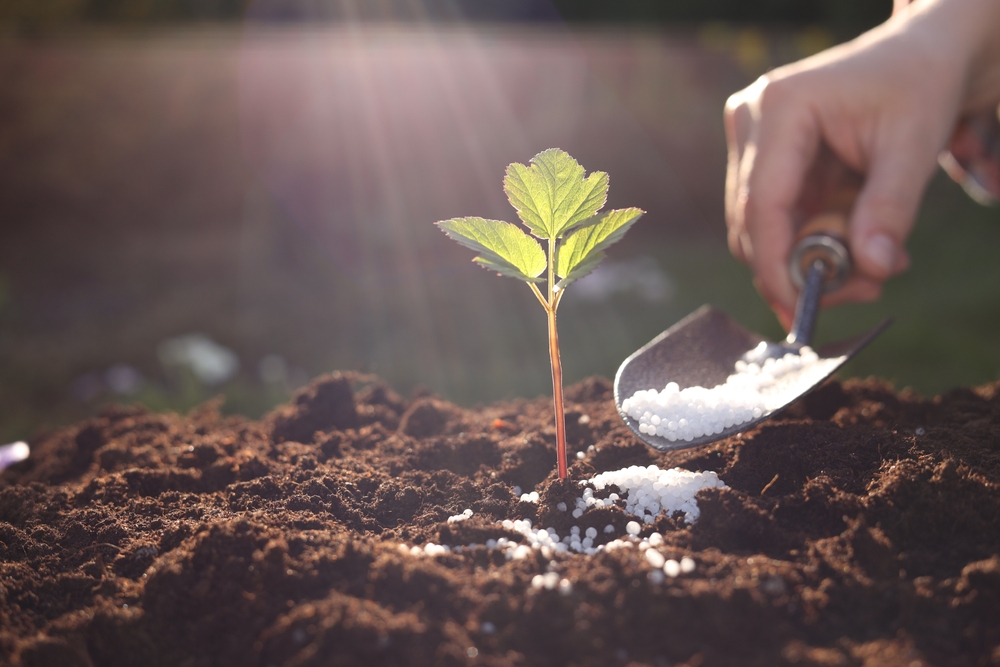
Soil nutrients deplete over time, so supplementing with fertilizers, compost teas, or organic boosters keeps plants thriving. Slow-release fertilizers work steadily and reduce the need to replenish soil constantly. Foliar feeding, applied directly to leaves, can provide targeted nutrients without overloading soil volume. Incorporating natural amendments like worm castings or fish emulsion adds both micro and macro nutrients that maintain plant health without taking up additional soil.
Timing matters, too. Fertilize at critical growth stages, like early leaf development or flowering, to maximize effectiveness. Avoid overfeeding, which can burn roots or lead to nutrient imbalances. Monitor plant performance and adjust supplementation according to growth patterns, keeping soil productive without unnecessary bulk. Combining soil management with targeted nutrition ensures that a single bag can support multiple planting cycles while keeping plants lush and vigorous.
5. Rotate and Plan Crops to Keep Soil Strong
Intelligent crop rotation preserves soil structure and prevents nutrient depletion. Plant heavy feeders like tomatoes in one area, then follow with lighter feeders such as lettuce or herbs in the same soil. This approach balances nutrient uptake and reduces the need for constant soil replacement. Companion planting also improves growth by maximizing root space and sharing soil nutrients efficiently.
Using containers for different plants allows control over soil use and reduces cross-contamination of pests or disease. Even in limited space, staggering planting schedules ensures that soil remains productive all season. Careful planning gives each plant access to the resources it needs without exhausting the original soil bag. Rotation isn’t just practical—it’s a strategic move that amplifies soil efficiency while keeping plants healthy and abundant.
6. Protect Soil From Wear and Tear
Soil erosion, compaction, and exposure to harsh elements reduce its effectiveness. Cover soil with mulch, shredded bark, or straw to protect against drying and nutrient loss. Avoid walking on garden beds to prevent compaction, which limits water absorption and root growth. In containers, avoid overhandling the soil when repotting or moving plants, as disturbance can damage structure.
Adding a layer of organic matter during the season maintains moisture and nutrient balance while preventing the soil from becoming hard or crusty. Positioning containers with care and minimizing disturbance preserves the quality of soil already in place. Protecting the integrity of soil ensures that each handful continues to support healthy plant growth, keeping the original bag stretching longer than expected.
Make the Bag Go the Extra Mile
Maximizing a bag of soil requires attention, creativity, and consistent effort. Combining smart mixing, thoughtful planting, careful watering, and targeted feeding allows soil to support a full season of growth. Each scoop counts, and managing soil like a precious resource pays off with healthier, more productive plants. Taking steps to refresh and protect soil transforms a single bag from a temporary supply into a lasting foundation.
How have soil-saving strategies changed the way plants grow in small spaces, or what clever tricks have kept soil stretching longer than expected? Write down insights, experiences, and tips in the comments.
You May Also Like…
How to Improve Soil Using Kitchen Waste
Low-Cost Ways to Improve Clay Soil
Free Sources of Mulch Many People Overlook
A Backyard Material That Can Work as Well as Mulch
Experts Say a New Fungus Is Spreading Through Mulch in Georgia

Brandon Marcus is a staff writer for FrugalGardening.com at District Media, Inc., where he delivers practical gardening advice with a relatable, no-nonsense style. An avid amateur gardener, he holds a BA degree and with over ten years of professional writing experience, he is also an award-winning published author whose first book, Questions For Deep Thinkers, was released by Adams Media. His work has appeared in major publications including Fandom.com, CHUD.com, TheColdWire.com, and Fansided.com.
Leave a Reply