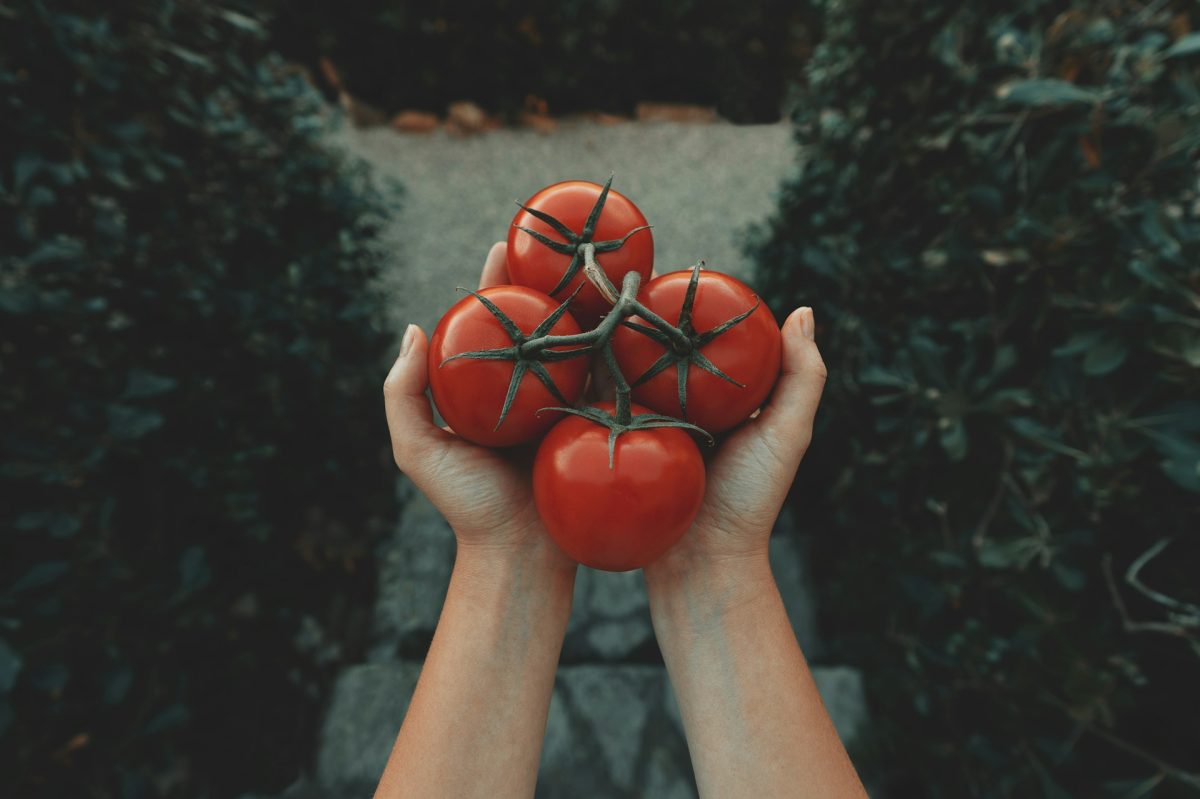
Tomatoes don’t need to cost a small fortune to grow. Garden catalogs may tempt gardeners with glossy photos, pricey seedlings, and specialized equipment that promises legendary harvests, but tomatoes themselves care very little about marketing hype. Give them sunlight, decent soil, and a bit of attention, and they will reward that effort with an avalanche of juicy fruit that makes grocery store tomatoes taste like distant cousins.
The secret lies in understanding how to grow these plants efficiently without spending money on unnecessary gear or trendy gardening gimmicks. A thrifty tomato strategy combines practical choices, creative reuse, and a little bit of backyard ingenuity. Anyone who wants a thriving tomato patch without draining the wallet can absolutely make it happen this year.
Start With Seeds Instead of Pricey Plants
Garden centers love selling young tomato plants because they look impressive and promise instant gratification. Rows of sturdy seedlings with thick stems and dark green leaves can tempt even the most disciplined gardener into loading up a cart. However, a single packet of tomato seeds often costs less than one starter plant and can produce dozens of healthy seedlings. That simple math turns seed starting into one of the easiest ways to slash gardening costs.
Growing tomatoes from seed also opens the door to far more variety. Seed packets offer everything from classic beefsteaks to tiny cherry tomatoes that burst with sweetness. Gardeners who start seeds indoors about six to eight weeks before the last frost can grow strong transplants that rival anything sold in a nursery. A sunny windowsill, a small grow light, and a tray of starter cells will do the job perfectly.
Reusing containers can keep the process even cheaper. Yogurt cups, egg cartons, and recycled plastic containers work wonderfully as seed-starting trays as long as they have drainage holes. Add a modest amount of seed-starting mix, water carefully, and those tiny seeds will begin their journey toward becoming towering tomato plants. A single afternoon of planting can turn a few dollars’ worth of seeds into a summer garden overflowing with fruit.
Turn Kitchen Scraps Into Garden Gold
Fertilizer prices can climb quickly, yet tomato plants crave nutrients throughout the growing season. Fortunately, a kitchen can quietly produce some of the best fertilizer ingredients imaginable without adding anything to the grocery bill. Vegetable scraps, fruit peels, coffee grounds, and eggshells can all contribute valuable nutrients when composted properly.
A small compost bin in the backyard or even a simple compost pile can transform those scraps into dark, crumbly soil that tomato plants absolutely adore. Compost improves soil structure, adds nutrients, and helps retain moisture, which reduces the need for frequent watering. Even gardeners with limited space can maintain a compact compost system using a small bin or tumbler.
Coffee grounds add nitrogen, eggshells contribute calcium, and vegetable scraps break down into a rich mix of organic matter. That combination creates soil that supports vigorous plant growth without expensive fertilizers. A garden that feeds itself through composting not only saves money but also builds healthier soil year after year.
Skip Fancy Supports and Build Your Own
Tomato plants grow tall, heavy, and enthusiastic. Without proper support, vines sprawl across the ground, fruit rots against damp soil, and harvesting becomes a tangled adventure. Garden centers often offer stylish tomato cages and trellises, yet many of those structures come with price tags that make gardeners wince.
Creative gardeners have discovered countless ways to build sturdy tomato supports using inexpensive materials. Wooden stakes, scrap lumber, bamboo poles, and even repurposed fencing can create strong support systems for climbing vines. A simple stake driven into the ground beside each plant can hold the plant upright when tied loosely with garden twine.
Another budget-friendly option involves the classic Florida weave method, which uses stakes and string to support rows of tomatoes. This technique creates a tidy wall of plants and requires only a few inexpensive materials. The beauty of homemade supports lies in their flexibility and durability, since gardeners can reuse them season after season without spending extra money each spring.
Water Smarter, Not More Expensively
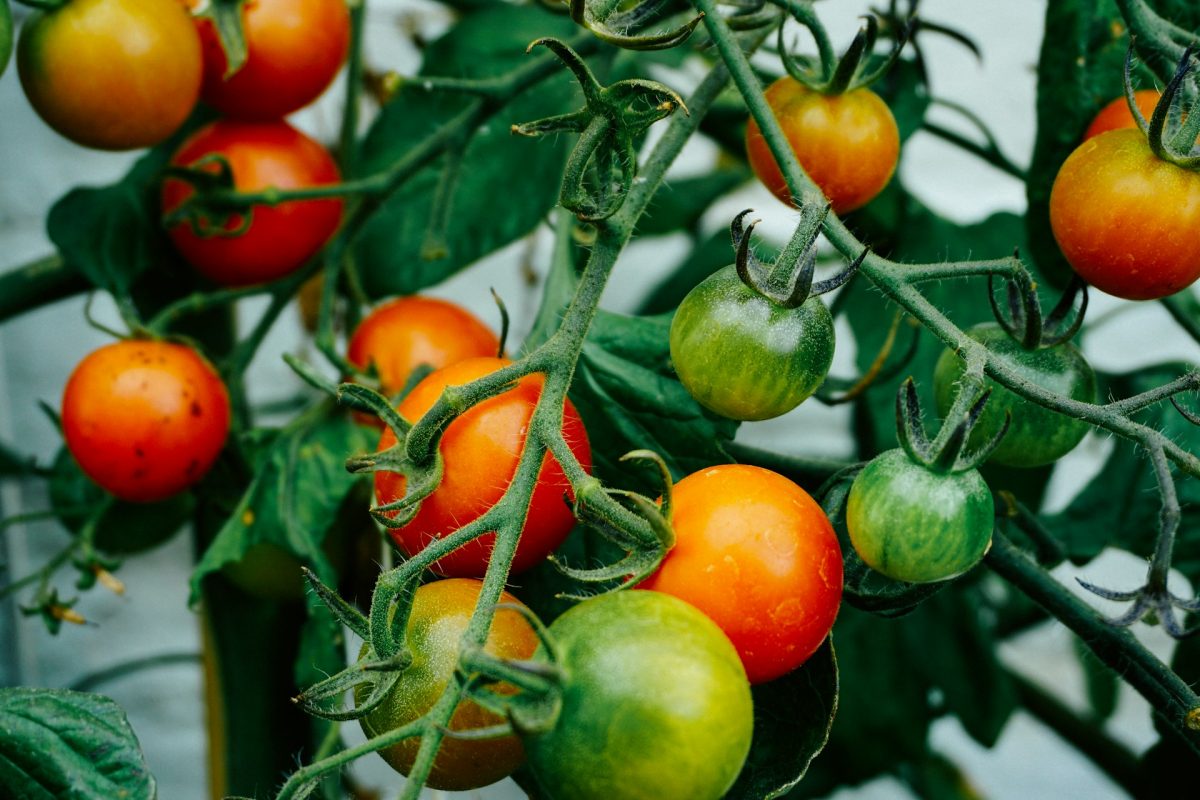
Tomatoes appreciate consistent moisture, but watering systems can quickly inflate a gardening budget if someone installs elaborate irrigation setups. Fortunately, tomatoes respond beautifully to simple watering strategies that conserve both water and money. Deep watering once or twice a week encourages roots to grow deeper into the soil, which makes plants stronger and more drought-resistant. A watering can or a basic garden hose works perfectly well for this task. Mulch plays a major role in keeping moisture in the soil and preventing evaporation during hot days.
Straw, shredded leaves, grass clippings, and even cardboard can serve as effective mulch around tomato plants. This protective layer locks in moisture, reduces weeds, and keeps soil temperatures stable. By holding water in the soil longer, mulch cuts down on the need for frequent watering and saves both time and resources throughout the growing season.
Choose Productive Varieties That Deliver Big Harvests
Not every tomato variety produces the same amount of fruit. Some plants deliver modest yields while others produce basket after basket of tomatoes all summer long. Choosing highly productive varieties can dramatically increase the amount of food grown per plant, which means fewer plants to buy, water, and maintain. Cherry tomato varieties often lead the pack when it comes to productivity. A single healthy cherry tomato plant can produce hundreds of small fruits over the course of the season. Roma tomatoes also provide excellent yields and work beautifully for sauces, canning, and cooking.
Indeterminate tomato varieties continue producing fruit throughout the entire growing season rather than stopping after one harvest. This extended production means gardeners enjoy fresh tomatoes for months instead of just a few weeks. Selecting the right varieties can turn a modest garden into a steady source of delicious fruit without increasing costs.
Grow More Tomatoes From the Plants You Already Have
Tomatoes have a remarkable ability to clone themselves through cuttings. This simple trick allows gardeners to turn one healthy plant into several additional plants without spending another cent on seeds or seedlings. A small cutting taken from a strong tomato plant can quickly grow roots and become a productive plant of its own. To try this method, cut a healthy side shoot from an existing plant and place it in water or moist soil. Within a week or two, roots will begin to form along the stem. Once those roots develop, the cutting can move into the garden just like any other tomato transplant.
This technique works especially well in mid-season when plants grow vigorously and produce many side shoots. Gardeners can expand their tomato patch for free and extend the harvest window by planting these new clones later in the season. A single thriving plant can become the starting point for an entire mini tomato empire.
A Thriving Tomato Garden Without the High Price Tag
Growing tomatoes does not require a luxury gardening budget or shelves full of specialized equipment. Smart gardeners know that creativity, resourcefulness, and a few clever techniques can transform simple materials into a productive garden. Starting plants from seeds, composting kitchen scraps, building homemade supports, and choosing high-yield varieties all work together to keep costs low while harvests remain generous.
A garden built on these principles becomes more than just a source of fresh food. It becomes a place where simple ideas and practical skills turn a small patch of soil into something truly satisfying. Tomato plants will happily reward thoughtful care with bright red fruit that tastes far better than anything wrapped in plastic at the grocery store.
What clever tricks or budget-friendly ideas have helped produce a great tomato harvest in your own garden? Give us your thoughts, strategies, or favorite tips in the comments so others can try them this growing season.
You May Also Like…
This Backyard Weed Is Hosting a Virus That’s Killing Tomato Plants
The One Plant You Shouldn’t Put Next to Tomatoes – According to Gardeners
The Pest That’s Wiping Out Backyard Tomatoes in Georgia — And How to Stop It Cheaply
6 Vegetables That Don’t Benefit From Expensive Soil Additives
Why Some Residents Are Being Fined for Growing Vegetables in the Front Yard

Brandon Marcus is a staff writer for FrugalGardening.com at District Media, Inc., where he delivers practical gardening advice with a relatable, no-nonsense style. An avid amateur gardener, he holds a BA degree and with over ten years of professional writing experience, he is also an award-winning published author whose first book, Questions For Deep Thinkers, was released by Adams Media. His work has appeared in major publications including Fandom.com, CHUD.com, TheColdWire.com, and Fansided.com.
Leave a Reply